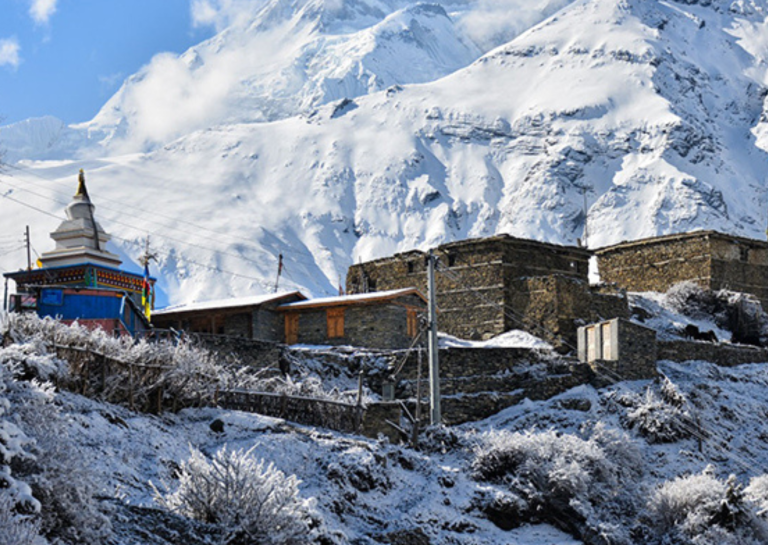
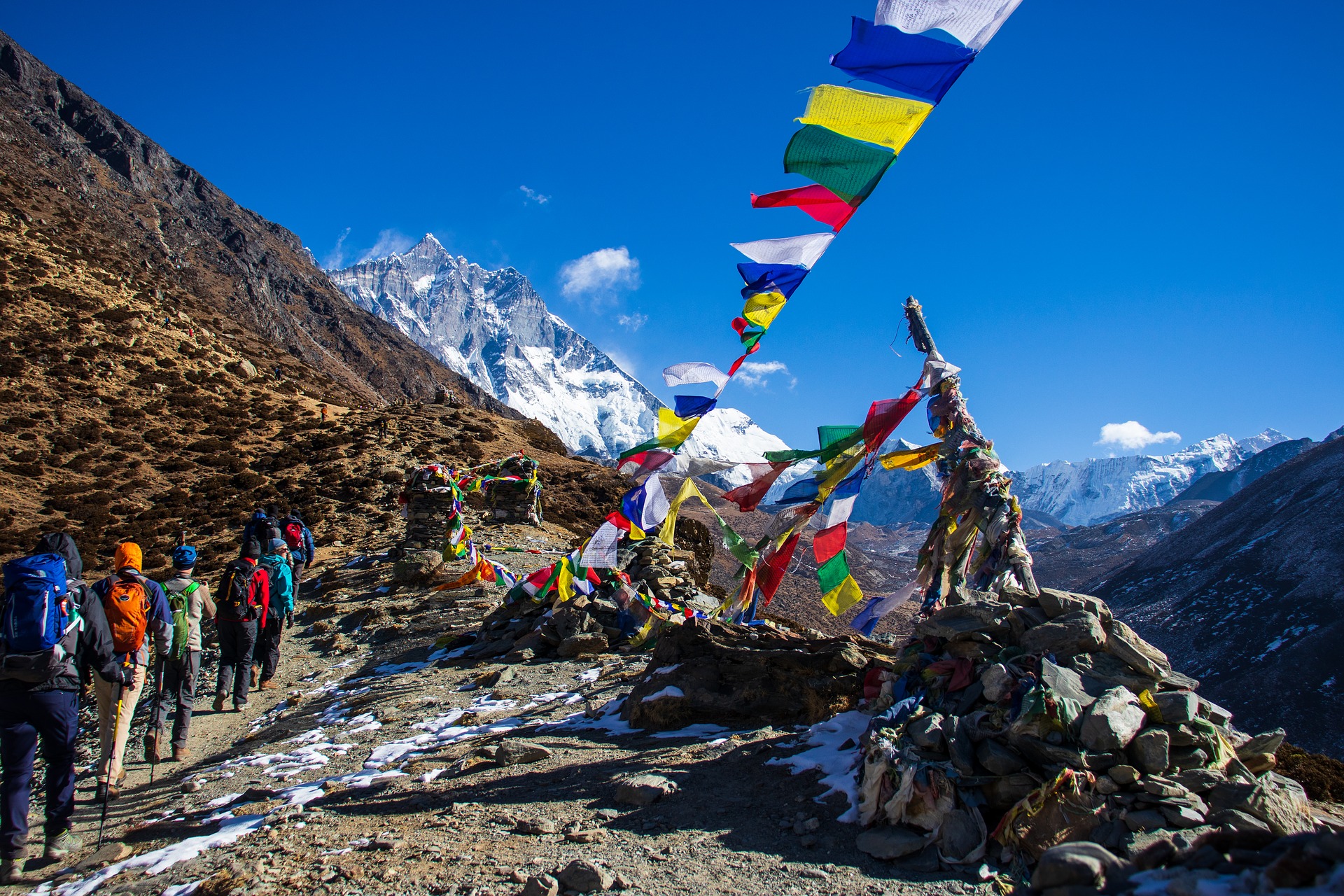
The Trekking Agencies’ Association of Nepal (TAAN) has warmly welcomed the recent policy change announced by the Department of Immigration on Chaitra 8, 2082 (March 22, 2026), which allows the issuance of trekking permits for certain restricted areas in Nepal. These areas include Upper Mustang, Upper Dolpa, Gorkha Manaslu, Humla, Taplejung, Lower Dolpa, Dolakha, Gorkha Chum Valley, Sankhuwasabha, Solukhumbu, Rasuwa, Manang, Bajhang, Mugu, and Darchula, covering a total of 13 districts.
TAAN expressed gratitude to the Department of Immigration’s Director General, Directors, and the entire department for taking this important step, which addresses long-standing concerns raised by TAAN. The association also acknowledged the contributions of its former executives, Tourism Board officials, umbrella organizations associated with mountain tourism, trekking guides, and all its members for their role in advocating this policy change.

Key Provisions of the Policy
1. Issuance of Permits to Individual Trekkers
Previously, individual trekkers seeking permits for restricted areas were required to find a trekking partner, which created difficulties and hindered tourism promotion. Under the revised policy, permits can now be issued to single trekkers, making it more convenient for solo adventurers while supporting the growth of mountain tourism.
2. Trekking Guide Requirements
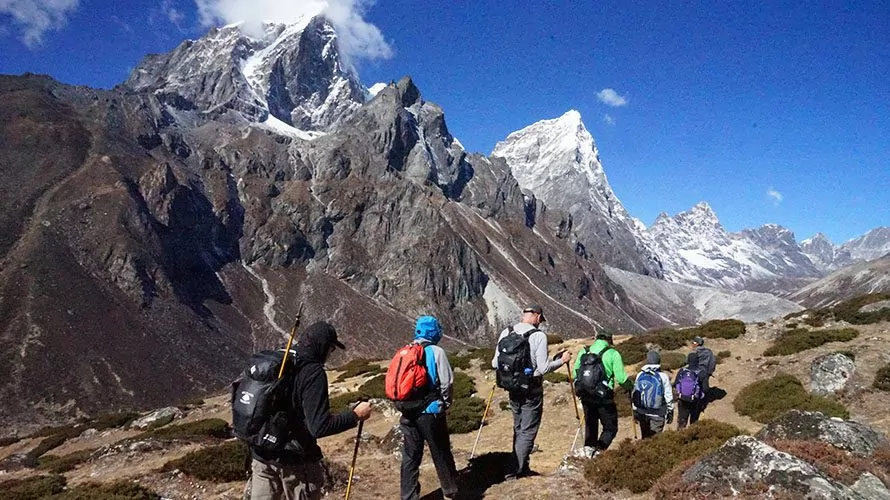
To ensure safety in restricted areas, trekking groups must now adhere to a maximum ratio of one guide for every seven trekkers. This provision addresses concerns about maintaining adequate oversight of trekkers’ activities and ensuring their safety when traveling in large groups.
3. Simplified Online Permit Application
TAAN highlighted that trekking permits for foreigners traveling in groups through agencies are now issued through an online system, designed to be fast, efficient, and user-friendly. Foreign nationals can apply for permits using either their approved Nepal visa number or their visa application submission ID, allowing them to apply directly from their home countries.
4. Agency and Emergency Responsibilities
The revised regulations require trekkers to submit applications through licensed agencies, assign an official trekking guide, and ensure that the responsible agency takes full accountability for emergency rescues. All other legal and regulatory requirements under existing laws will continue to apply.
TAAN’s Guidance for Members
TAAN has urged all members to ensure that trekking activities in restricted areas are conducted in a disciplined and responsible manner. Agencies are advised to:
- Include a sufficient number of qualified trekking guides in their groups.
- Ensure rescue and emergency arrangements are in place and compliant with regulations.
- Contact the TAAN Secretariat (+977-9851078748) for support in implementing the new policy.
- Seek technical guidance from the Department of Immigration (+977-9761423636) for any difficulties related to trekking permits.

Impact on Mountain Tourism
This policy change is expected to have a significant positive impact on trekking and mountain tourism in Nepal. It facilitates safer, more accessible, and well-managed trekking experiences for both foreign and domestic trekkers. By simplifying the permit process, providing clear guidelines on group sizes and guide ratios, and emphasizing emergency preparedness, Nepal is poised to enhance both tourist safety and the overall trekking experience.
TAAN concluded by reiterating its commitment to supporting members in navigating the new permit process while promoting sustainable and secure trekking practices across Nepal’s restricted high-altitude regions.