Teej is one of the most vibrant and beloved festivals in Nepal, celebrated mainly by women with devotion, song, and dance. Dressed in red saris, adorned with green bangles and henna, women gather to pray, fast, and celebrate together. Beyond the rituals, It is about resilience, sisterhood, and joy. It is a festival that blends faith and festivity, where fasting and prayers go hand in hand with dancing, singing, and laughter, creating an atmosphere of hope and happiness.
Mythological Roots and Symbolism of Teej
The history of Teej is tied to Hindu mythology. According to legend, Goddess Parvati performed penance and fasting to win Lord Shiva as her husband. Her perseverance and devotion became the foundation of this festival, inspiring women to observe fasting with faith and love. The word Teej itself comes from a small red insect that appears during the monsoon season, symbolizing the time of year the festival is celebrated. Traditionally, It falls in August or September, marking the season of greenery and renewal.
In earlier times, Teej was celebrated in a much simpler way. Women observed fasting, visited temples, sang devotional folk songs, and enjoyed one of the few chances they had to gather freely in groups. A special tradition known as Dar Khane Din allowed women to feast on delicious food before beginning their fast. It was more than a religious practice; it was also a moment of freedom and social bonding, especially in a society where women often lived within strict roles.
In modern times, Teej has evolved into a larger and more glamorous event. In many places, it has expanded into a month-long celebration filled with concerts, parties, and large gatherings. While this modernization has added color and energy, it has also made Teej more commercial and expensive.
Families often feel pressure to host grand feasts and wear lavish outfits. There is a growing concern that the festival is drifting away from its true spiritual essence, as its simplicity and depth are overshadowed by consumerism and media hype. If it becomes only about fashion and expense, its meaning will fade. It is therefore important to protect the values of devotion, solidarity, and community that lie at the heart of it while still allowing positive modern expressions of joy.
Beyond Nepal’s borders, Teej has taken root wherever the Nepali diaspora has settled. In the United States, United Kingdom, Australia, Japan, South Korea, and the Middle East, Nepali communities gather each year to celebrate Teej with great enthusiasm. Women wear red saris, sing and dance to Teej songs, and share the joy of the festival with their families and even with international friends.
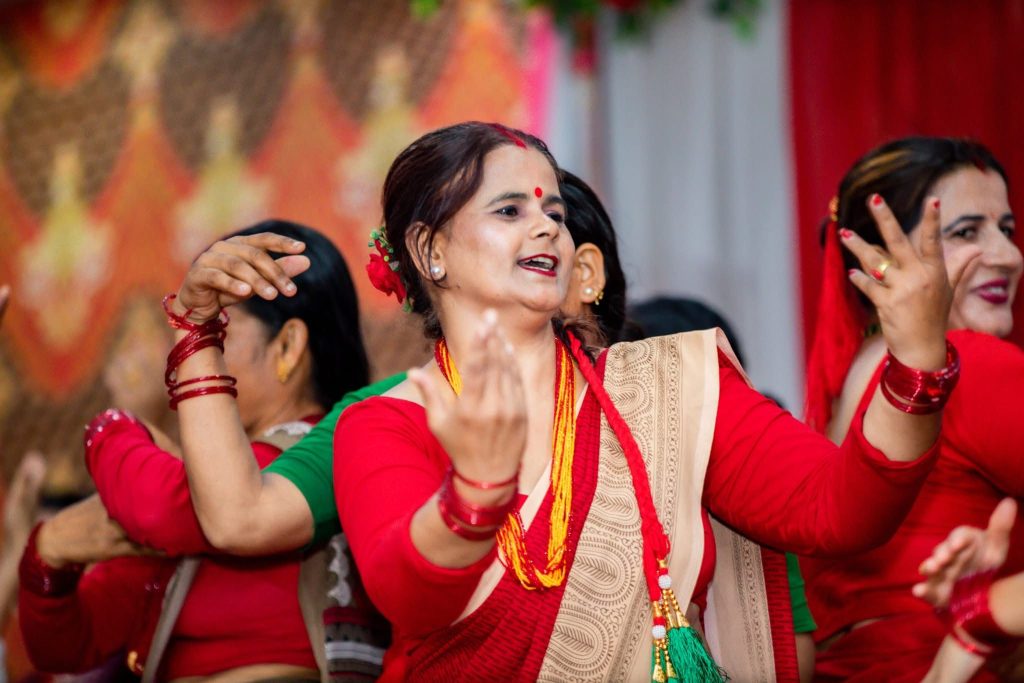
For Nepalis abroad, Teej is more than a ritual; it is a way to stay connected to their cultural roots, to pass traditions on to the younger generation, and to showcase Nepal’s culture to the world. The Non-Resident Nepali Association (NRNA) has been actively promoting Teej as a special festival of Nepal among the diaspora, organizing programs through its National Coordination Councils (NCC) to celebrate and preserve its cultural significance. In many global cities, these Teej events have become cultural showcases that introduce non-Nepalis to the beauty of Nepali traditions.
This global presence opens great opportunities for Nepal. If promoted wisely, Teej can become a cultural brand for the country, much like Holi represents India or Oktoberfest represents Germany. It has all the elements of a unique identity: the bright red attire and bangles, the rhythmic songs and dances, and the universal theme of womanhood and resilience. Promoting Teej through cultural tourism, international festivals, diaspora events, and digital media could make it a global symbol of Nepal. Nepal can also work toward securing UNESCO recognition for Teej as an intangible cultural heritage, which would help preserve its authenticity while giving it international visibility.
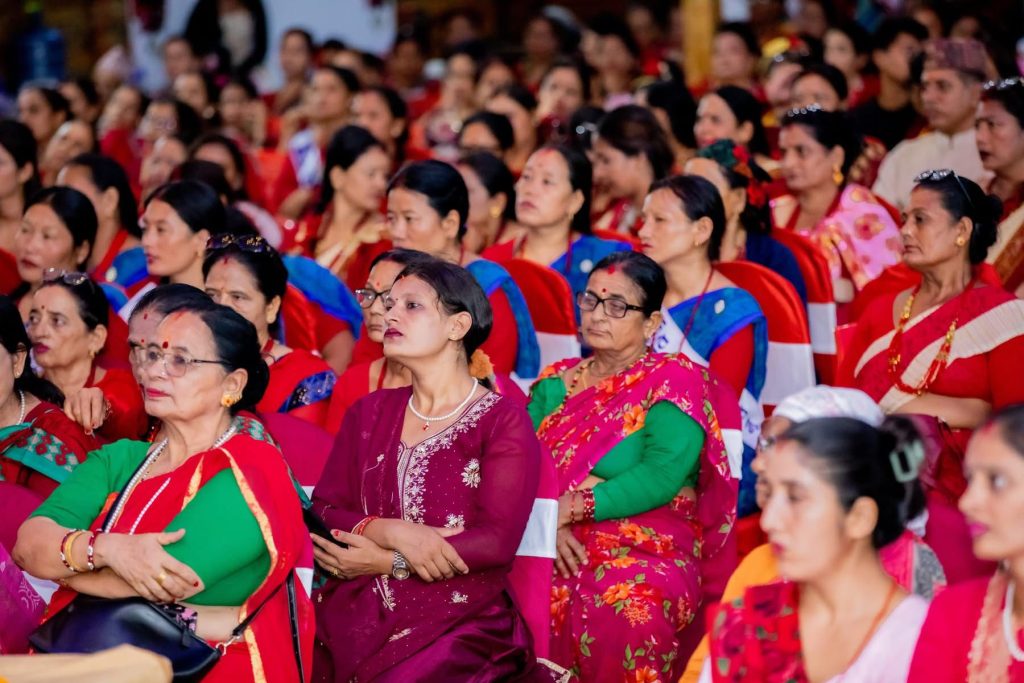
At the same time, Teej faces challenges that cannot be ignored. The health risks of strict fasting, the commercialization of celebrations, and debates around gender roles all require thoughtful dialogue. Modernization and diaspora celebrations bring opportunities, but they also risk diluting the festival’s authenticity if its deeper values are forgotten. The balance lies in celebrating it as both a festival of tradition and of empowerment, keeping its essence intact while allowing it to grow with time.
Teej is more than a festival of fasting. It is a celebration of faith, resilience, womanhood, and community. Its history connects to devotion and mythology, its present reflects empowerment and identity, and its future could make it one of the world’s most unique cultural festivals. As Teej becomes more modernized and global, we must ensure it does not lose its soul. Protecting its authenticity while branding it as a symbol of Nepal’s heritage can turn Teej into a cultural ambassador for the nation.
Like Holi celebrates color and Diwali celebrates light, Teej can represent Nepal on the world stage as a festival of womanhood, resilience, and unity. The challenge, and the opportunity, is ours: to celebrate it with pride, protect its essence, and share its beauty with the world.
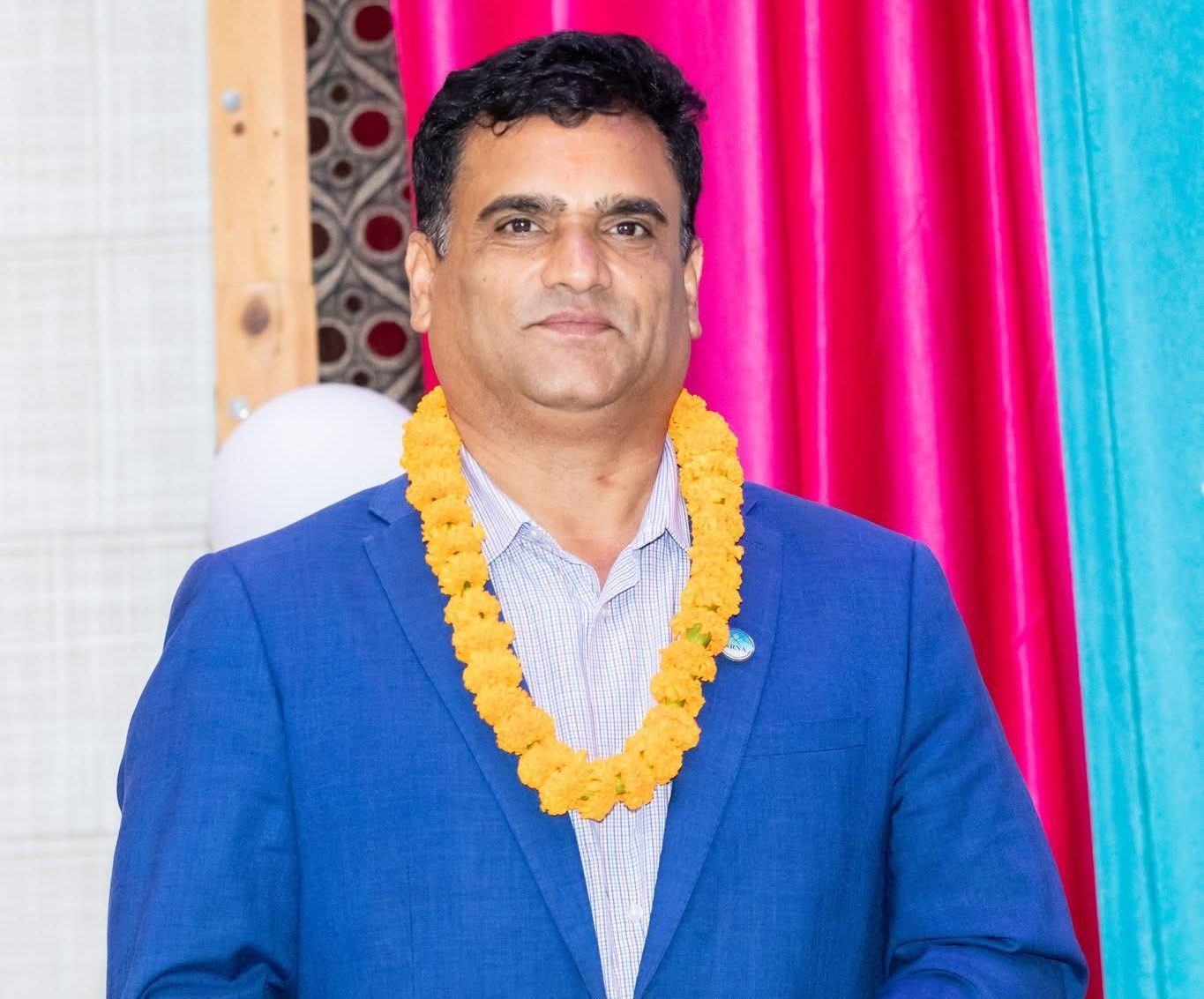
Written By: Som Nath Sapkota (Entrepreneur, Tourism Promoter, and Deputy General Secretary – NRNA ICC)