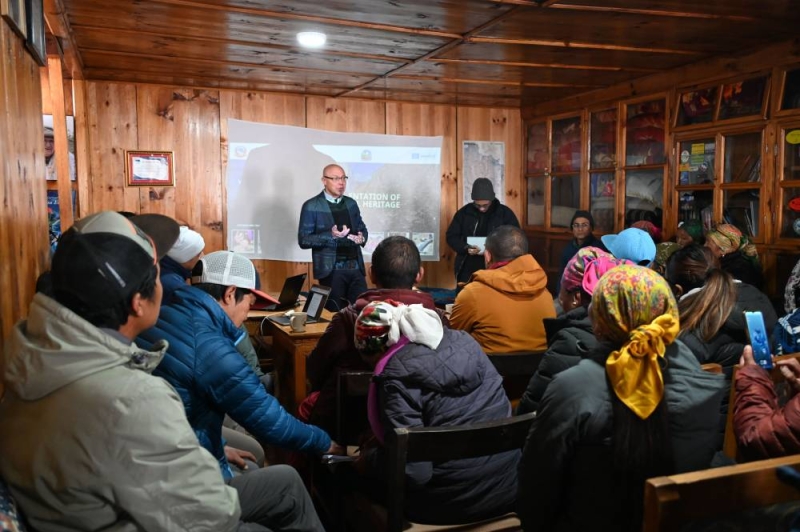
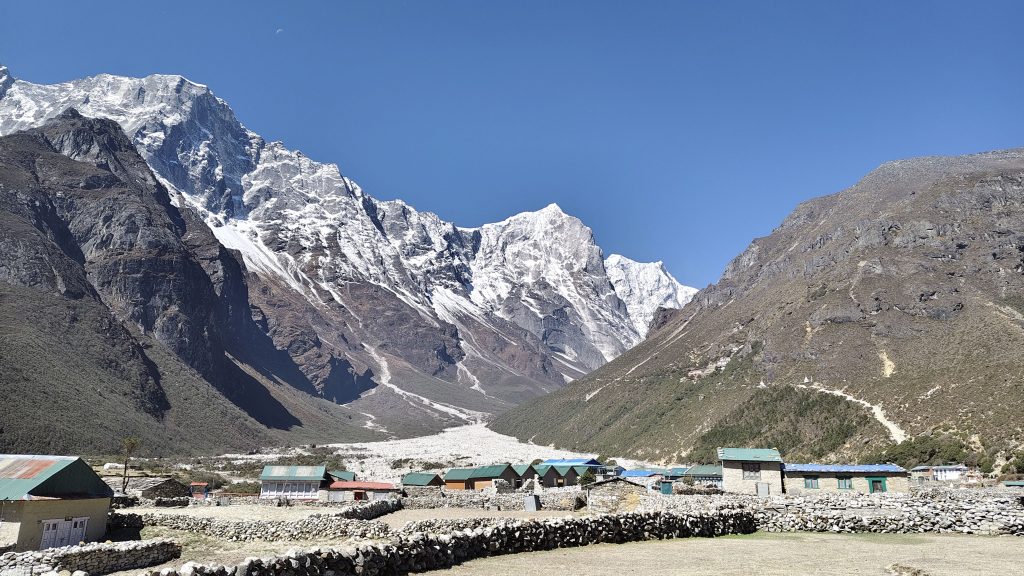
Thame village in Solukhumbu district, home to the indigenous Sherpa community, was severely affected by the glacial lake outburst flood (GLOF) in August 2024. The disaster caused widespread damage to personal property and also threatened the village’s rich cultural heritage. In response, UNESCO Nepal has taken a proactive role in supporting the assessment and safeguarding of Thame’s living heritage, culminating in a series of workshops that concluded on March 21–22, 2026.
Capacity Building Workshops for Local Stakeholders
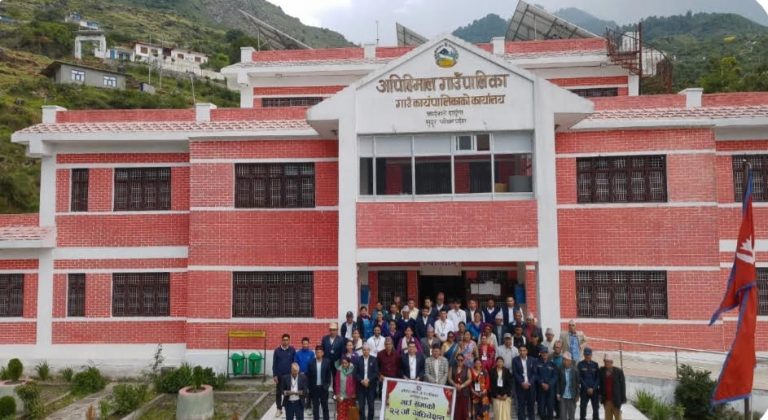
The initiative aimed to build the capacity of more than 30 local stakeholders, including women’s groups and indigenous youths. Two intensive workshops were conducted prior to the final gathering, providing participants with the tools and knowledge to identify, document, and safeguard the exceptional living heritage of Thame. The workshops enabled local stakeholders to play an active role in validating and finalizing the inventory of intangible cultural heritage elements.
UNESCO emphasized that local participation was central to the process. Community members, who had been involved since the initial stages, provided vital insights and verification, ensuring that the findings accurately reflected Sherpa cultural traditions. Ethical considerations were strictly maintained, adhering to the principle of free, prior, and informed consent (FPIC), guaranteeing that the Sherpa community retained ownership over their cultural knowledge and heritage elements.

Documentation of Intangible Cultural Heritage
The final gathering focused on identifying and documenting the intangible cultural heritage of Thame, allowing experts to capture the depth and uniqueness of Sherpa culture. Rigorous discussions were held among the community members to validate a draft inventory of eight indigenous cultural heritage elements.
Jaco du Toit, UNESCO Representative to Nepal, stated, “Throughout this process, ethical considerations are paramount, with the process strictly adhering to FPIC to ensure the indigenous Sherpa community maintained ownership over the identified living heritage elements.” The initiative not only documented cultural traditions but also strengthened local capacity to preserve and safeguard these living heritage elements for future generations.
Empowering Local Youth and Community
The project also focused on empowering local youth, ensuring that younger generations actively participate in heritage preservation. Fura Kami Sherpa, President of the Thamichhowa Youth Group, shared his experience: “During the information collection process, the youth including myself had the opportunity to learn so much from our elders. It has been incredibly beneficial for us to learn about our own place. The methods helped not only youth like me but also others to remember the old ways. We will now work to further develop the elements we identified.”
This intergenerational learning approach ensures that knowledge transfer occurs organically, preserving both tangible and intangible traditions while fostering a sense of ownership and pride within the community.
Alignment with UNESCO’s International Framework
The initiative in Thame aligns closely with the 2003 UNESCO Convention for the Safeguarding of the Intangible Cultural Heritage. The project emphasizes the importance of local voices in defining and preserving living traditions, showcasing how communities can actively participate in safeguarding their own cultural heritage.
Through workshops, consultations, and field-based documentation, the intervention reinforced the community’s ability to identify, validate, and preserve its unique heritage elements. This approach also strengthens resilience against future environmental threats, such as natural disasters, by integrating cultural preservation into community development planning.

With the documentation completed, the Sherpa community of Thame is now better equipped to maintain, celebrate, and promote its intangible heritage. The initiative sets a precedent for other indigenous communities in Nepal to engage in similar heritage preservation efforts while ensuring ethical and community-led practices.
UNESCO Nepal reaffirmed its commitment to continue supporting initiatives that empower local communities, protect cultural heritage, and promote awareness of Nepal’s rich diversity. By combining scientific research with community participation, projects like this help safeguard cultural identity and resilience in the face of environmental and social challenges.
The press statement announcing the completion of the workshops and documentation was released by UNESCO Kathmandu on Sunday, marking a significant step toward preserving the living heritage of Thame for future generations.