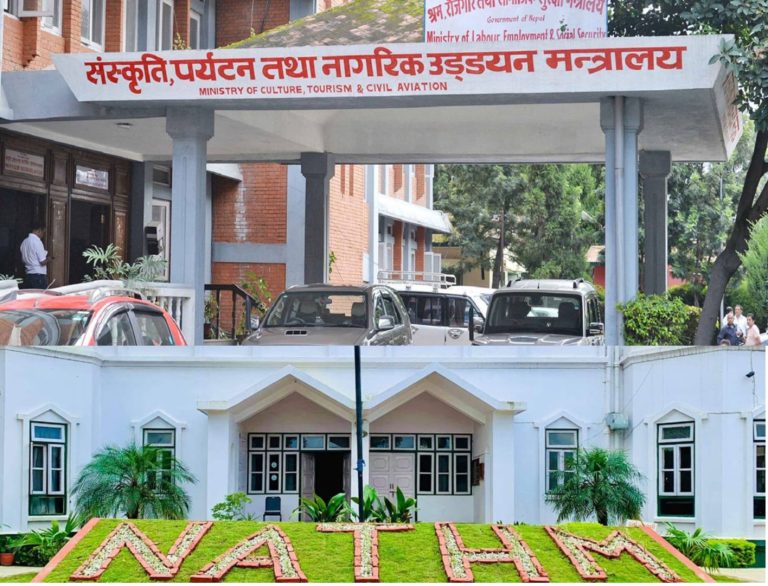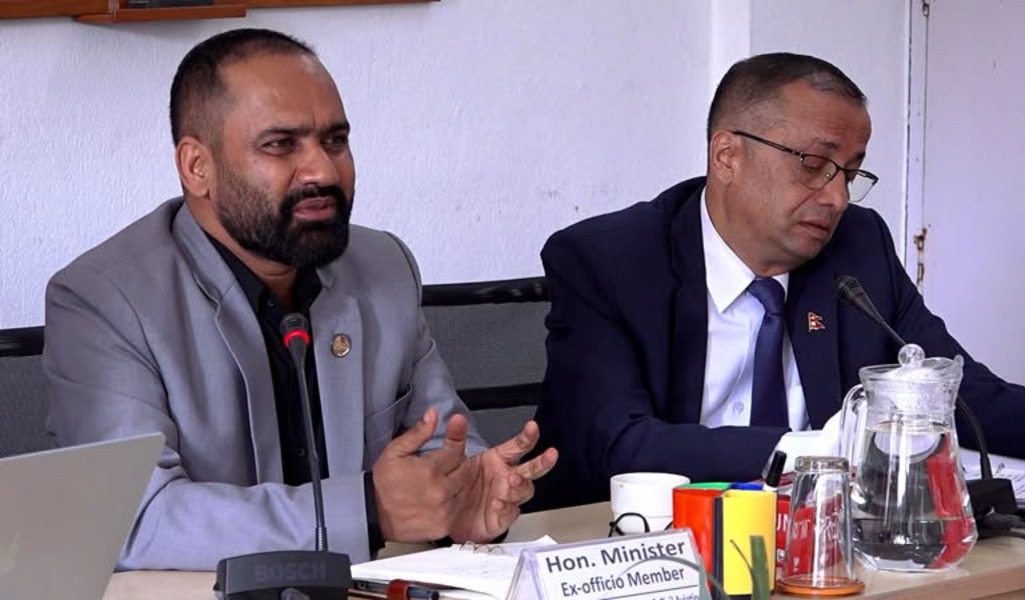
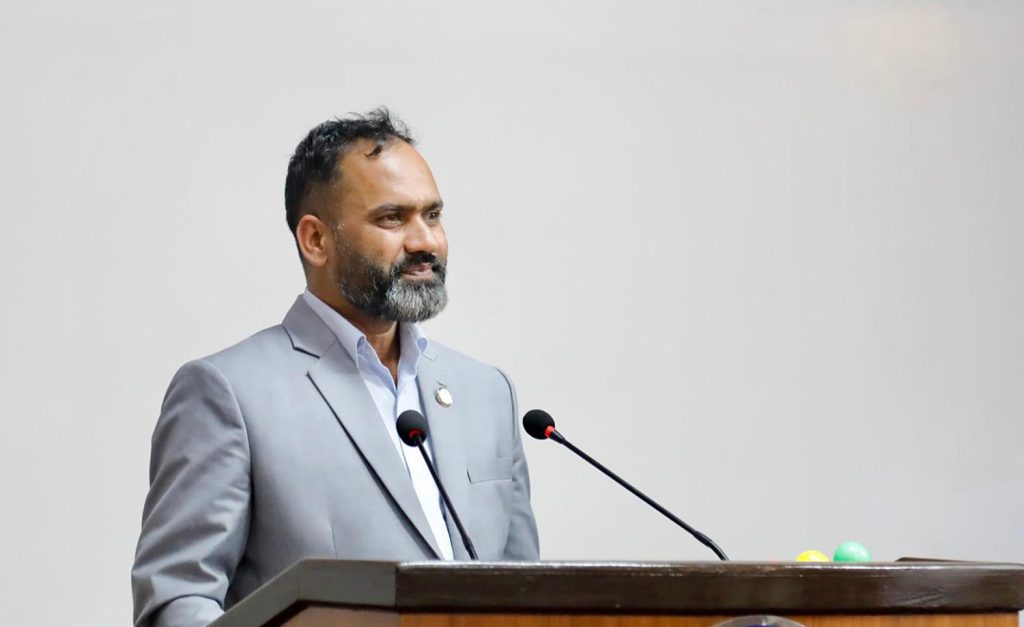
Minister for Culture, Tourism and Civil Aviation Khadak Raj Paudel (Ganess) has said the Tourism Bill, 2081 may need significant changes to make Nepal’s tourism laws more practical and adaptable to the evolving needs of the industry. Speaking at a meeting of the International Relations and Tourism Committee on Tuesday, Paudel said the bill still required extensive discussion and refinement even though it had already been endorsed by the National Assembly. The meeting also included representatives from Nepal’s casino sector, who shared concerns and recommendations regarding the proposed legislation.
Minister Calls for Flexible Tourism Regulations
Paudel said the main tourism law should be clear and streamlined, while its regulations should have sufficient flexibility to accommodate changes in the tourism industry without requiring frequent amendments to the Act itself. He said the ministry and the concerned committee had already been working on the bill, but further consultation with stakeholders was necessary. Several provisions, he noted, may need to be added or revised to reflect present-day tourism requirements.

According to Paudel, the bill could potentially undergo a rewriting process because of the number of issues that need to be addressed. He stressed that tourism legislation should be designed with long-term practicality in mind so that necessary changes can be introduced through regulations as the sector develops.
Indian Tourist Arrivals Highlight Currency Issue
The minister also raised the issue of currency exchange faced by tourism businesses during periods of high Indian tourist arrivals. He recalled that destinations such as Mustang, Manang, Muktinath and Pokhara had recently received large numbers of Indian visitors.
Many of these travelers carried Indian currency and used it to pay for hotels, food and other tourism services. However, businesses later faced difficulties converting the currency, creating complications for operators who had legitimately accepted payments from tourists.
Paudel said temporary measures had been explored to address the problem and stressed the need for a permanent and practical mechanism. He said businesses should not be placed in a difficult legal position simply because they accepted payments for accommodation, food or goods provided to tourists.

Casino Sector Seeks Clearer Rules
Casino entrepreneur Balaram Sapkota urged the government to establish clear and consistent standards for casino operations. He said a properly regulated casino sector could generate significant employment and contribute to Nepal’s international tourism promotion. Sapkota suggested that casinos should have the capacity to create around 300 to 500 jobs and called for policies that would encourage investment and professional marketing. He also argued against maintaining separate classifications for small and large casinos, saying operators should be governed under a more uniform framework.
He proposed introducing a merger policy that would allow smaller casino businesses to combine their operations and create financially stronger establishments. Drawing comparisons with merger practices in other business sectors, he argued that consolidation could help smaller operators become more competitive. Sapkota also said Nepal could use improved casino facilities as an additional attraction for international visitors. Citing casino destinations in countries such as Singapore, Malaysia, Sri Lanka and Australia, he called for higher standards in Nepal so that the country could develop casino tourism as part of its wider international tourism offering.