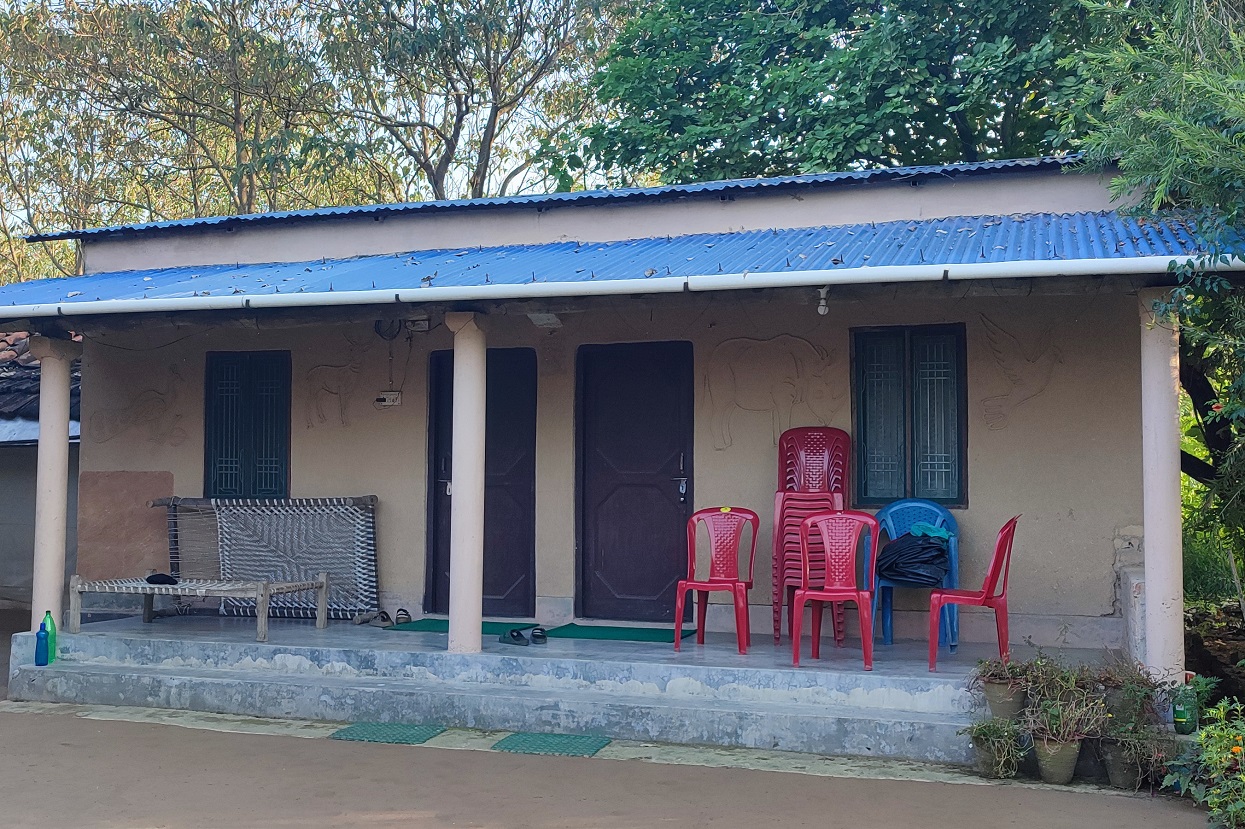
The Rana Tharu Community Homestay in Nayagaun, Bhimdatta-14, which offers tourists jungle safari experiences in Shuklaphanta National Park, is struggling this season due to delayed reopening of safaris. Homestay operator Parshuram Rana expressed disappointment as the usual influx of tourists during Dashain–Tihar has not arrived for the past two years.
Tourist Season Impacted by Safari Closure
“Until two years ago, our homestay used to be fully booked during Dashain–Tihar, but with safaris closed, tourists haven’t come,” Rana said. He explained that the park administration closes jungle safaris from 1st Ashadh to 1st Ashwin during the monsoon, and although safaris normally reopen after Ashwin 1, they have remained closed during the festival season for the last two years. “During Dashain–Tihar alone, we used to earn over Rs 100,000,” he added.

Currently, only a few Indian tourists have visited, far below previous years’ numbers. Visitors typically stay at the homestay near the park, enjoying Rana Tharu culture and local cuisine, but this year’s tourist season has been unusually quiet.
Economic and Cultural Implications for Local Community
The homestay initiative has contributed significantly to the income level of the local Rana Tharu community, while promoting the community’s culture, traditions, and arts. With fewer tourists this year, the homestay operators are concerned about reduced earnings and lost opportunities to showcase local heritage.
Reason for Delayed Safari Reopening
Purshottam Wagle, information officer at Shuklaphanta National Park, explained that the safari was delayed due to damage to roads and bridges caused by the monsoon rains. “Repairs were needed before the safari could resume, which is why the park reopened only recently for tourists,” Wagle said.

Shuklaphanta National Park Overview
Spanning 305 square kilometers, Shuklaphanta National Park is famous for its barasingha (swamp deer) population, with over 2,323 individuals recorded. The park is also home to diverse bird species and rare plant life, making it a major ecotourism destination in western Nepal.
Despite the delayed start, the park authorities have now reopened the safari to attract visitors, and local operators hope that tourist arrivals will pick up in the coming months, particularly after the festival season. Homestay operators emphasize that tourism not only supports their livelihoods but also helps preserve and promote Rana Tharu culture, creating a sustainable link between conservation and local economic development.