Nepal’s tourism sector has suffered an estimated Rs. 52.67 billion in preliminary economic losses following floods in the Bhotekoshi and Trishuli rivers and subsequent landslides, according to an assessment report presented to the Ministry of Culture, Tourism and Civil Aviation.
Tourism Damage Assessment Presented
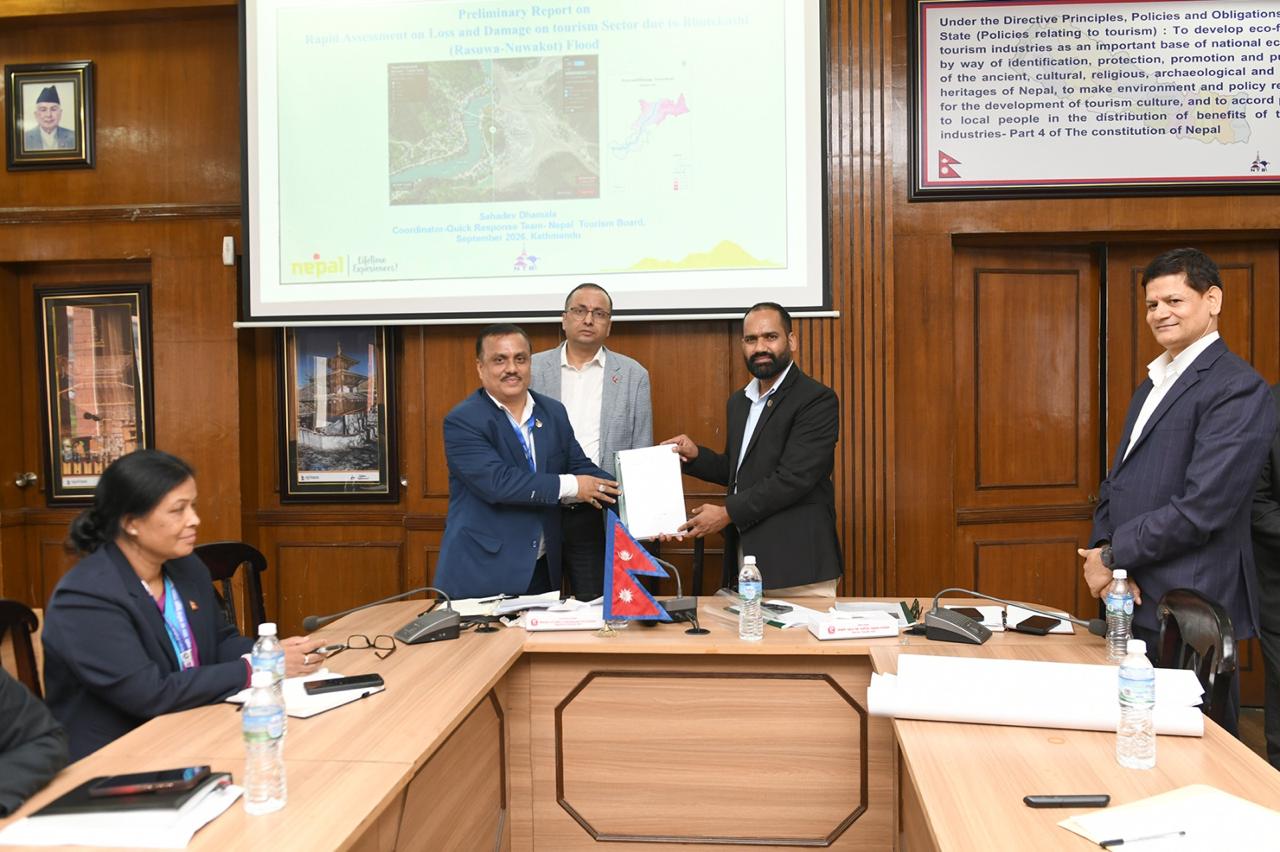
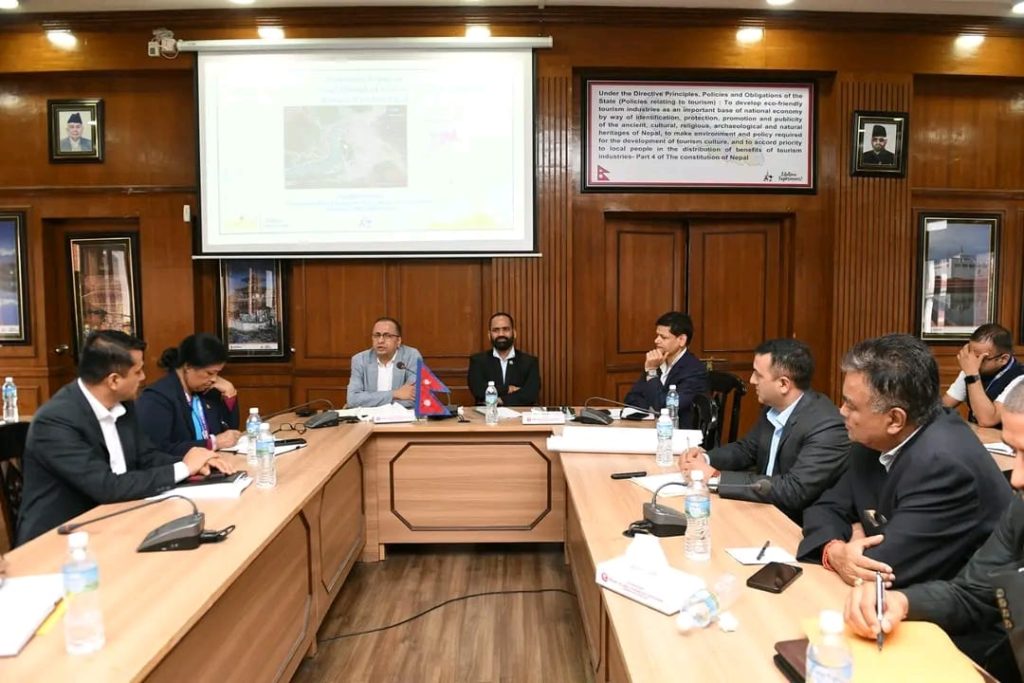
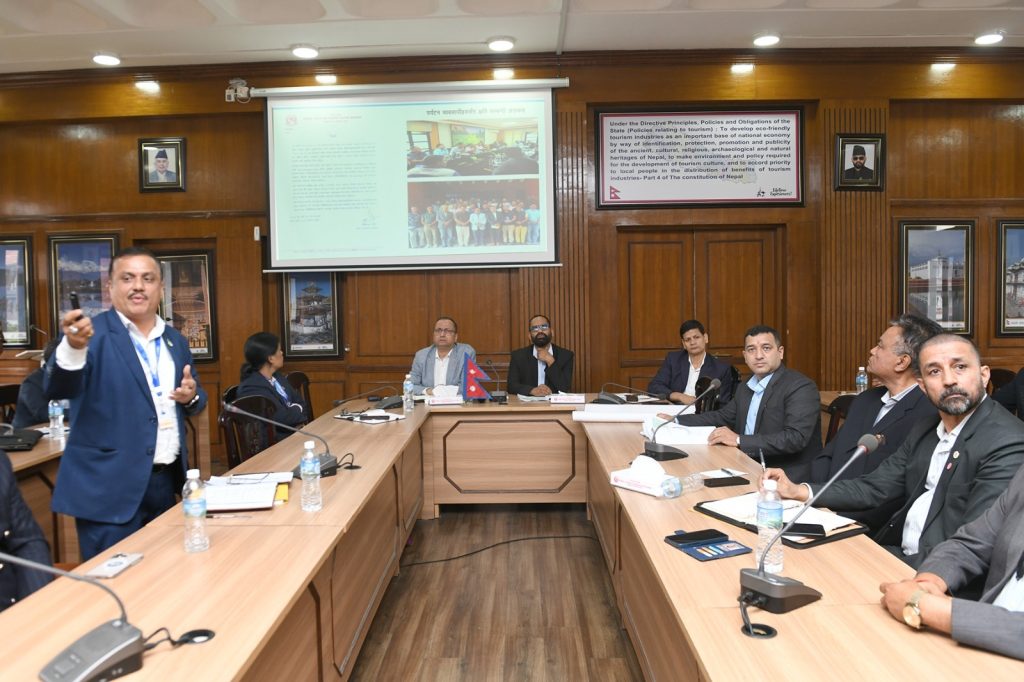
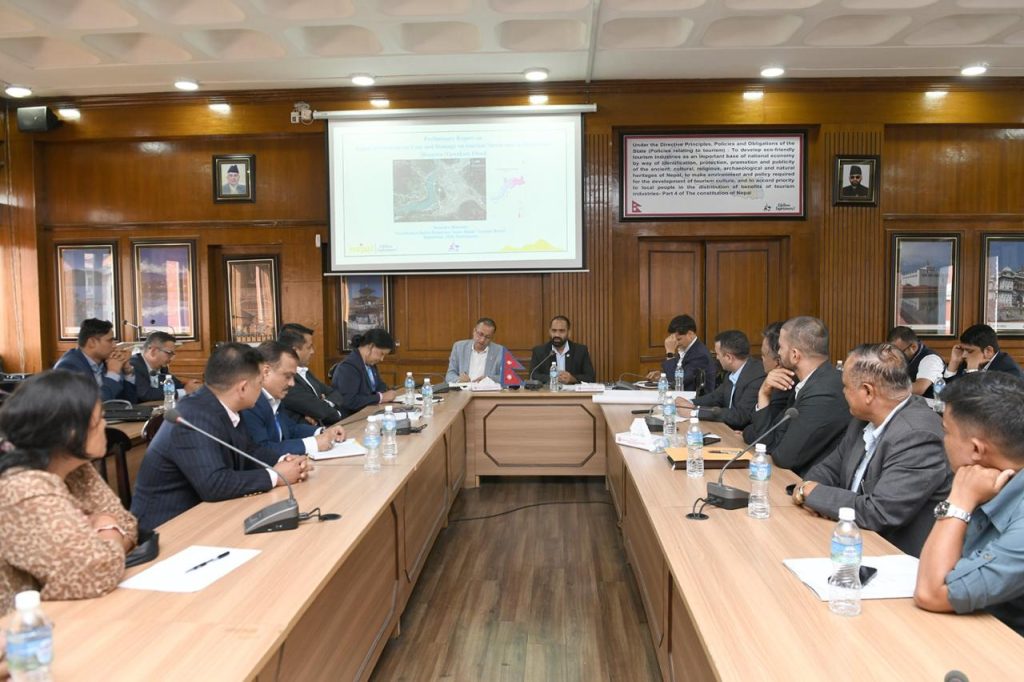
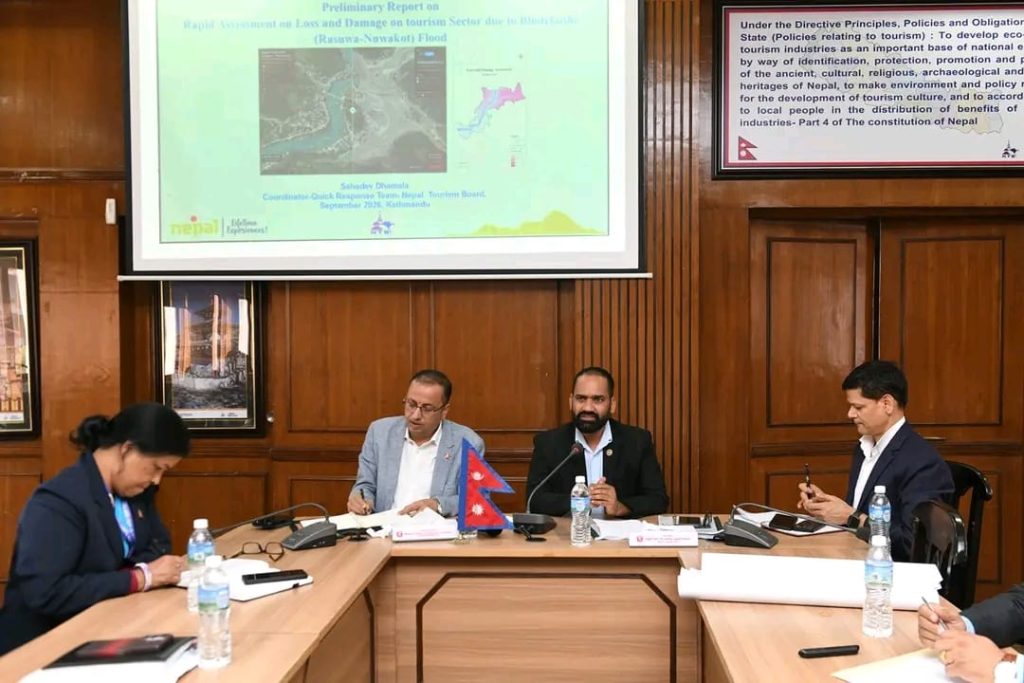
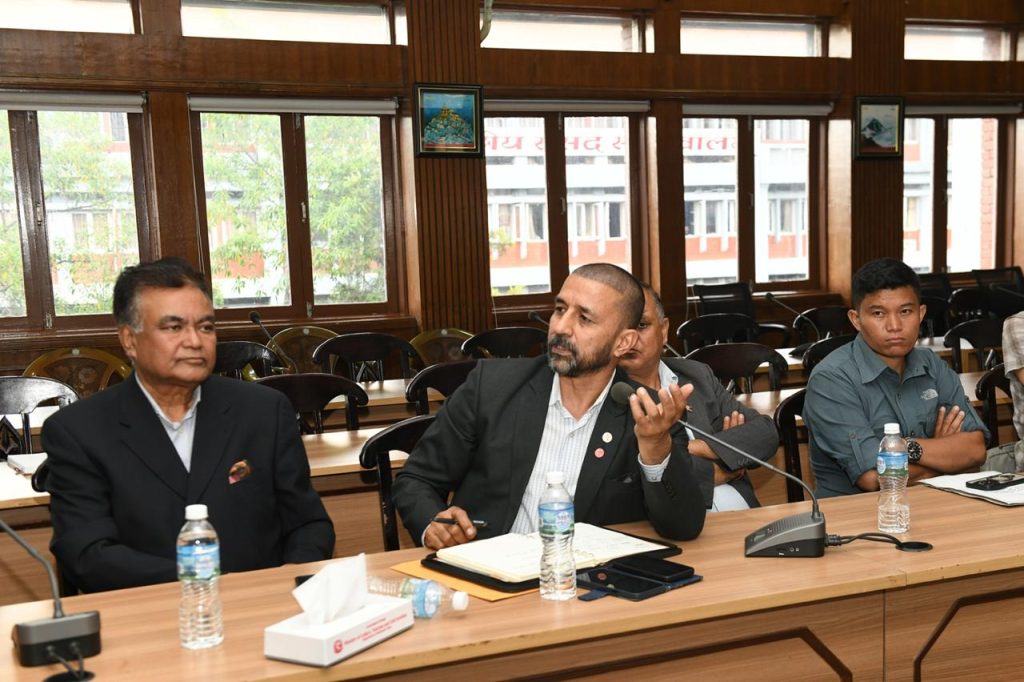
The report was presented during a discussion on the impact of the disaster on the tourism sector and its recovery at the Ministry of Culture, Tourism and Civil Aviation on Monday. Nepal Tourism Board (NTB) Quick Response Team (QRT) Coordinator and Executive Board Member Sahadev Dhamala and NTB Senior Director Hikmat Singh Ayer jointly presented the assessment. The programme was held in the presence of Minister for Culture, Tourism and Civil Aviation Khadak Raj Paudel ‘Ganess’, along with Ministry Secretary Mukunda Niraula, joint secretaries and section chiefs, NTB representatives, and private-sector tourism stakeholders.
Hotel Sector Bears Largest Loss
According to the preliminary assessment, the floods and landslides have caused significant damage to tourism infrastructure, hotels and tourism businesses, transportation connectivity, trekking trails and tourist management systems, particularly in Rasuwa, Nuwakot, Dhading and Gorkha.
The hotel sector has recorded the highest estimated loss of Rs. 19.56 billion. The report has estimated Rs. 14.60 billion in losses in foreign tourism earnings and Rs. 12.27 billion in losses related to human resources and tourist management. These three categories account for the largest share of the total preliminary damage estimated in the tourism sector.
Infrastructure, Transport and Restaurants Also Affected
The report estimates damage to heritage and tourism infrastructure at Rs. 1.66 billion, while losses involving vehicles have been estimated at Rs. 1.51 billion. Similarly, the restaurant sector has suffered an estimated Rs. 1.39 billion in losses.
Commercial transactions in the Langtang area have been affected by an estimated Rs. 1.28 billion. The report has also assessed preliminary losses of Rs. 198.7 million in domestic tourism revenue, Rs. 155 million at rafting and camping sites, and Rs. 50 million in trekking trails.
1,117 People Affected or Uncontactable
The assessment report states that 1,117 Nepali and foreign nationals were affected or became uncontactable following the floods and landslides. Of this number, 310 people have been safely rescued, while 13 people have subsequently made contact. According to the report, 794 people remain uncontactable, including 606 foreign nationals and 188 Nepali citizens. Among those rescued, 258 are men and 52 are women.
Search and Rescue Started Within an Hour
NTB Senior Director Hikmat Singh Ayer said search and rescue operations were initiated approximately one hour after the incident through coordination with Tourist Police, travel and trekking companies, and Kailash-Manasarovar tour operators.
The coordination was aimed at locating and assisting affected tourists and facilitating rescue operations in the disaster-hit areas. The NTB’s QRT and relevant tourism stakeholders were involved in coordinating the response and information flow during the emergency.
Focus Shifts Toward Climate-Resilient Tourism Recovery
The report has emphasized that post-disaster tourism recovery should not be limited to reconstructing damaged buildings and infrastructure. It has called for reconstruction and rehabilitation measures that also address future climate-related risks and contribute to the development of a safer and more sustainable tourism system.
Air said a concept has been proposed to develop Rasuwa as a long-term “Climate Heritage” area, linking the region’s tourism potential with climate resilience and disaster preparedness.
He also proposed continuing a 24-hour crisis cell and Quick Response Team within the Nepal Tourism Board to ensure rapid coordination during emergencies. For the operation of these mechanisms, he suggested an annual budget ranging from Rs. 100 million to Rs. 500 million.
Relief and Concessional Support Sought for Businesses
Sahadev Dhamala said the floods and landslides had caused extensive damage to tourism businesses, hotels and trekking routes. He called for immediate relief, tax exemptions and concessional recovery packages for tourism entrepreneurs and businesses affected by the disaster.
He also stressed the need to restore alternative trekking routes and transportation connectivity as soon as possible. According to Dhamala, effective communication with international tourism markets is also necessary to convey that Nepal remains open and safe for tourists, while recovery work continues in the affected areas.
Tourism Recovery Plan to Be Prepared
During the discussion, Minister Khadga Raj Paudel assigned the concerned committee the responsibility of preparing a draft tourism recovery plan to make post-disaster rehabilitation and future preparedness more systematic.
The minister said the government has prioritized the rescue of stranded tourists and reconstruction of damaged tourism infrastructure in the affected areas. He also said a joint action plan would be developed in coordination with the Nepal Tourism Board and private-sector stakeholders.
According to the minister, efforts will be made to restore security, communication and transportation connectivity at major tourism destinations before the upcoming tourist season.
Early Warning and Tourism Insurance Among Key Recommendations
The preliminary assessment has called for stronger systems for evidence-based and integrated information dissemination, climate-resilient tourism infrastructure, early warning mechanisms, expansion of Tourist Police services and institutional development of tourism insurance. The recommendations are aimed at strengthening the tourism sector’s preparedness for future disasters while improving the safety and security of tourists and tourism workers.
Nepal to Continue International Tourism Promotion
The recovery strategy also includes continued international tourism promotion alongside rehabilitation of affected destinations. The report has proposed organizing press briefings and “Nepal Night” promotional programmes in two Indian cities to maintain Nepal’s visibility in the international tourism market.
The Nepal Tourism Board has stated that it will strengthen coordination with government agencies, local governments, security bodies, tourism businesses and private-sector stakeholders, with emphasis on tourist safety, reliable information dissemination and sustainable recovery of Nepal’s tourism sector.