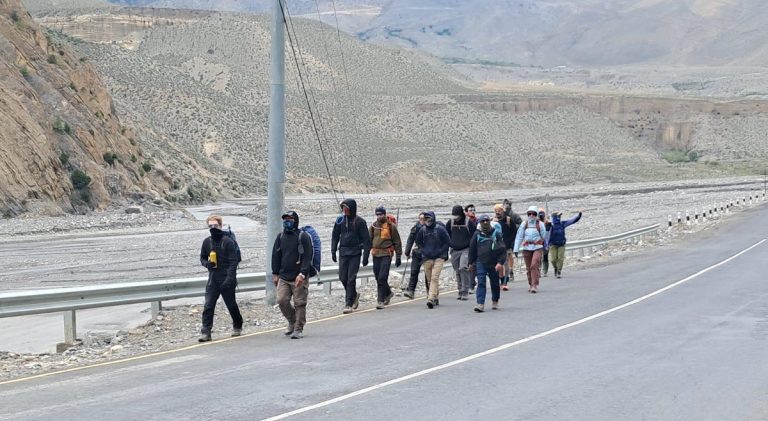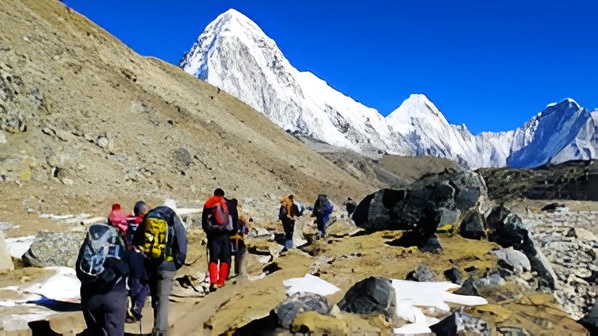
Nepal’s tourism industry continues its robust recovery, with the Annapurna region once again proving to be one of the country’s most resilient and popular destinations. Despite the travel alerts issued earlier in October due to heavy rainfall and the significant snowfall that followed later in the month, the Annapurna Conservation Area (ACA) recorded 37,076 tourist arrivals in October 2025, representing 29% of Nepal’s total international tourist arrivals (128,443) for the month.
This remarkable performance underscores the enduring appeal of the Annapurna region to both domestic and international travelers, as well as the growing diversity of visitors seeking trekking, cultural, and religious experiences across the area.
Steady Growth in Tourist Arrivals Over the Years
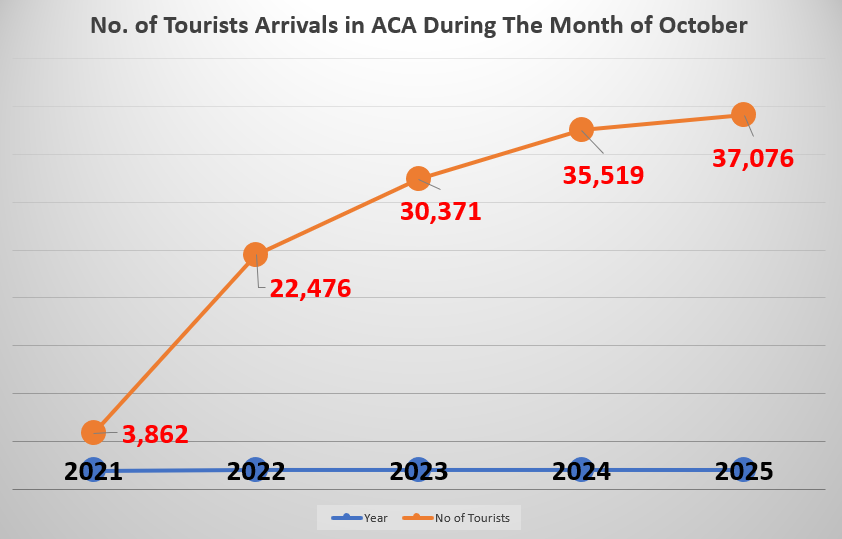
The Annapurna region, managed under the Annapurna Conservation Area Project (ACAP), has witnessed a consistent upward trajectory in tourist arrivals over the past five years. According to official statistics, the number of tourists in the ACA has increased significantly:
- 2021: 3,862 visitors
- 2022: 22,476 visitors
- 2023: 30,371 visitors
- 2024: 35,519 visitors
- 2025: 37,076 visitors
The 2025 figures indicate a 4.4% increase compared to 2024, showing the growing confidence of travelers in Nepal’s post-pandemic tourism recovery and the enduring attraction of the Annapurna Circuit despite challenging weather conditions.

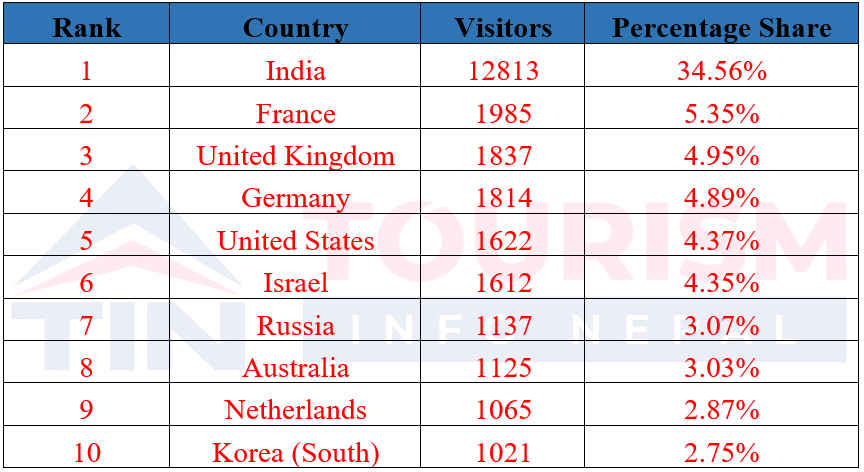
Among the total visitors this October, 23,677 were from foreign countries outside South Asia, while 13,399 were from SAARC nations, mainly India. Gender-wise, the region welcomed 16,305 female and 20,760 male tourists. These figures reflect a balanced participation, with increasing interest from female trekkers and adventure enthusiasts.
Domestic Tourism on the Rise
In addition to international visitors, domestic travel within the Annapurna region surged during the same period. Popular destinations such as Mustang, Muktinath, Ghandruk, Mardi Himal, Annapurna Base Camp (ABC), North ABC, Lomanthang, and Poon Hill experienced an influx of Nepali travelers taking advantage of the festive season holidays.
Nepali tourists have increasingly been drawn to the mountains for short treks, scenic getaways, and spiritual journeys. The growing accessibility of these areas through improved road networks and better local accommodations has made mountain travel more convenient and affordable for domestic travelers.
Many Nepalis also choose to explore religious and cultural heritage sites like Muktinath Temple, which holds significant spiritual importance for both Hindus and Buddhists. The temple, located in the Mustang district, continues to be a central pilgrimage site during the autumn season.
Religious Tourism and Regional Trends
Religious tourism continues to be a strong pillar of travel in the Annapurna region, particularly in Mustang and Muktinath. Officials have observed that most Indian visitors prefer road transportation to reach Muktinath and nearby pilgrimage sites, often combining their spiritual journey with sightseeing and short treks around Jomsom and Kagbeni.
Meanwhile, international tourists from Europe, North America, and East Asia predominantly choose the classic trekking routes, seeking the authentic Himalayan experience that the Annapurna Circuit and Base Camp trails are famous for. These travelers are attracted by the region’s diverse landscapes, cultural richness, and close interaction with local Gurung and Thakali communities.
Challenges of Weather and Infrastructure
October is traditionally considered the peak trekking season in Nepal, offering clear skies and favorable weather conditions. However, the 2025 season presented unique challenges. Early in the month, heavy rainfall triggered several landslides along trekking routes, causing temporary disruptions in road connectivity. Later in October, unexpected snowfall blanketed higher-altitude areas, including Thorong La Pass and the upper sections of the Annapurna Base Camp trail.

Despite these difficulties, local authorities and trekking agencies reported that tourist flow remained steady. Many trekking groups adjusted itineraries and continued their journeys safely, thanks to timely updates and coordination from ACAP, local guides, and rescue teams. The effective management of these challenges demonstrated the improved readiness and professionalism within Nepal’s trekking and hospitality sectors.
Tourism’s Broader National Recovery
The Annapurna region’s performance mirrors the overall revival of Nepal’s tourism sector. According to the Nepal Tourism Board (NTB), the country welcomed 128,443 international visitors in October 2025, marking one of the strongest monthly arrivals since the pandemic. This figure highlights Nepal’s increasing visibility as a premier adventure and cultural tourism destination in South Asia.
Tourism entrepreneurs have attributed the steady growth to several factors, including improved air connectivity, effective digital marketing campaigns, favorable visa policies, and growing confidence among international travelers about Nepal’s safety and hospitality standards. The Annapurna region, in particular, has benefited from consistent infrastructure upgrades, such as new trekking lodges, better roads in Mustang and Kaski districts, and digital trail mapping systems introduced by ACAP.
Community Impact and Sustainable Tourism
Tourism in the Annapurna region plays a crucial role in supporting local livelihoods. The increasing number of trekkers and domestic travelers has boosted income for local guesthouses, transport providers, porters, and handicraft sellers. Community-based tourism initiatives in villages like Ghandruk, Ghorepani, and Chhomrong have created new employment opportunities, especially for women and youth.
ACAP and local governments continue to emphasize sustainable tourism practices, promoting waste management, trail maintenance, and responsible trekking codes of conduct. Environmental awareness campaigns are also helping reduce the ecological impact of rising tourist numbers while ensuring that the Annapurna trails remain pristine for future generations. With nearly one-third of Nepal’s total October arrivals heading to the Annapurna region, the area remains the backbone of Nepal’s mountain tourism.