The Annapurna Conservation Area (ACA) has recorded an impressive 246,575 foreign tourist arrivals between January and October 2025, surpassing last year’s total within just ten months. According to the Annapurna Conservation Area Project (ACAP), out of the total, 146,968 visitors were from South Asian countries, while 99,607 tourists came from other regions of the world.
April Sees Highest Visitor Numbers, January the Lowest
Among all months, April 2025 witnessed the highest influx of 44,763 tourists, coinciding with the spring trekking season and favorable weather conditions. In contrast, January recorded the lowest number of arrivals at only 9,359 visitors, reflecting the typical seasonal trend of lower winter footfall.
ACAP officials stated that the current figures have already exceeded the 244,045 visitors recorded in 2024, demonstrating the growing popularity of the Annapurna region as a global trekking destination.

Resilient Growth Despite Global Challenges
ACAP Chief Dr. Rabin Kadariya mentioned that despite disruptions caused by the “Gen-Z” movement and other global factors, the region maintained a strong recovery in tourist arrivals. “While September saw a slight dip compared to last year, October recorded an increase of 1,557 visitors,” he said.
He further noted that, apart from May and September, every other month in 2025 witnessed higher arrivals than in the same period last year. According to Dr. Kadariya, visitor numbers typically decline gradually after November, before rising again from March onwards as the trekking season resumes.
Annapurna: A Global Hub for Trekking Tourism
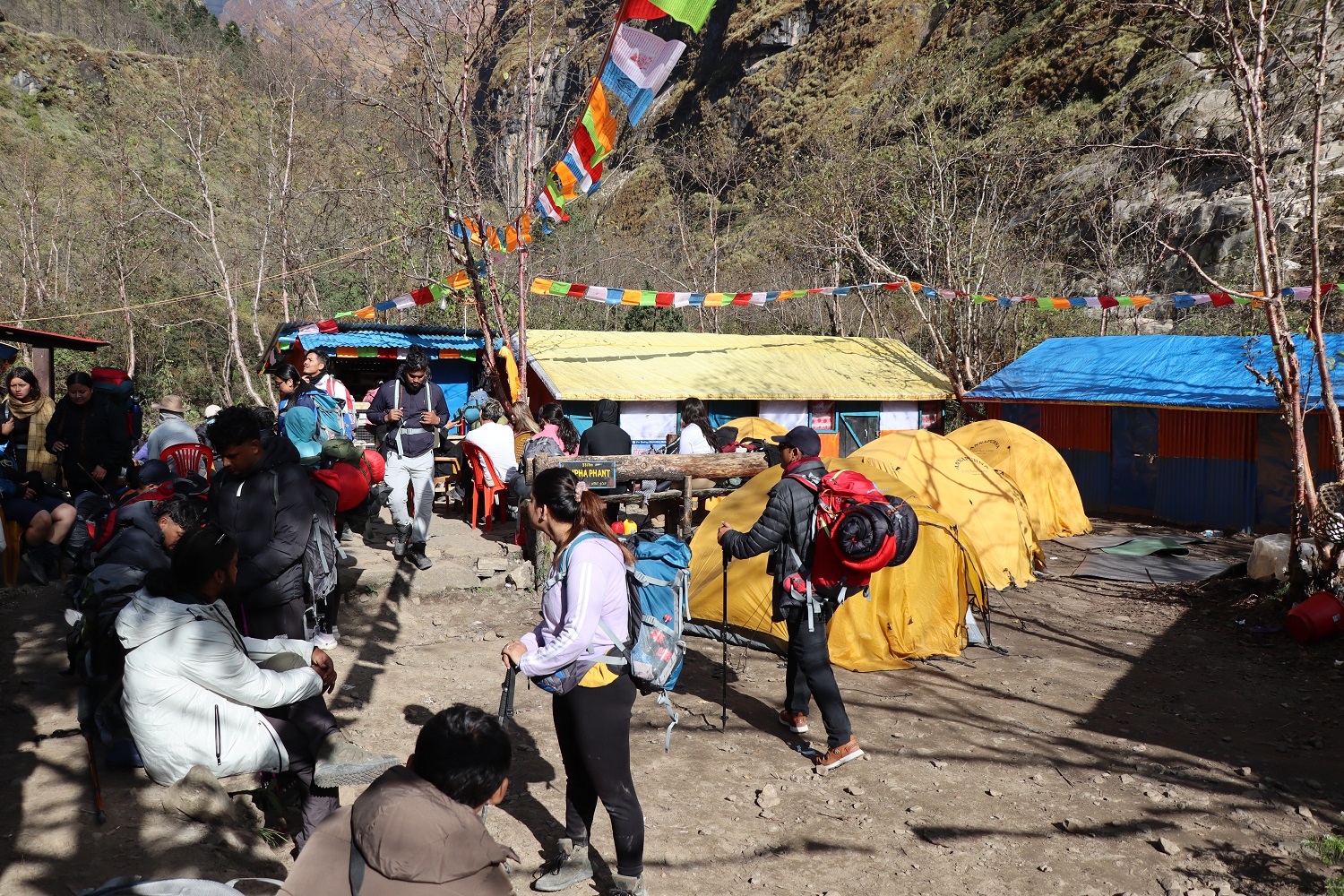
Renowned worldwide as one of the finest trekking destinations, the Annapurna Circuit and surrounding routes attract tens of thousands of international travelers each year. The peak trekking seasons, September to November and March to May, see the highest tourist activity, with both trekkers and adventure enthusiasts exploring diverse routes through the region’s rugged beauty.
While many Indian pilgrims travel by road to visit destinations like Muktinath, most foreign visitors prefer the traditional trekking routes that offer breathtaking views of the Himalayas, unique cultural experiences, and opportunities for sustainable tourism.
Data Highlights Foreign Visitors Only
ACAP maintains detailed records specifically for foreign visitors, though officials note that the number of domestic tourists traveling by road to destinations in Mustang and neighboring areas has also been steadily increasing.
Dr. Kadariya highlighted that the Annapurna Circuit Trail continues to be among the most popular trekking routes in the world, attracting a mix of repeat and new travelers each year. According to ACAP data, 191,666 foreign tourists visited the Annapurna region in 2023, showing a consistent rise in arrivals since the global tourism slowdown in 2020.
Steady Post-Pandemic Recovery
The Annapurna region saw just 18,836 visitors in 2020, following pandemic-related restrictions. However, in the years since, the region has experienced a strong and steady rebound, reflecting Nepal’s recovery as a top destination for adventure and nature-based tourism.
Key trekking attractions within the Annapurna Circuit include the Annapurna Base Camp, Mardi Himal, Ghandruk Village, Tilicho Lake, Thorong La Pass, Upper Mustang, Muktinath, Ghorepani, and Poon Hill, among others. Each site offers a unique blend of natural beauty, cultural richness, and Himalayan hospitality.

Annapurna’s Timeless Appeal
The Annapurna Conservation Area, spanning parts of Kaski, Lamjung, Manang, and Myagdi districts, remains one of Nepal’s most biodiverse and culturally vibrant regions. Its stunning mountain vistas, traditional villages, and deep-rooted spiritual heritage continue to attract both domestic and international travelers alike.
ACAP officials explained that the region supports short, medium, and long-distance trekking routes, accessible from multiple trailheads across the country. The area’s appeal lies not only in its scenic landscapes but also in its cultural diversity, ecological richness, and sustainable tourism practices, which have become a global model for community-based conservation.
As the trekking season continues, authorities expect the Annapurna region to maintain strong visitor momentum through the remainder of 2025. With Nepal’s ongoing efforts to promote sustainable and inclusive tourism, the Annapurna Conservation Area remains a vital contributor to the nation’s tourism economy and a symbol of the country’s natural and cultural pride.