The Annapurna Conservation Area (ACA), which spans five districts of the Gandaki Province, has witnessed a significant rise in foreign tourist arrivals in recent years. Despite a notable downturn in 2021 due to the COVID-19 pandemic, tourist traffic in the region has steadily rebounded, marking a strong recovery for Nepal’s trekking tourism sector.
Post-Pandemic Recovery Strengthens Tourism Growth
According to the Annapurna Conservation Area Project (ACAP), foreign visitor numbers have increased sharply since 2022. The region welcomed 129,718 tourists in 2022, followed by 191,666 tourists in 2023, and the number surged to 244,025 visitors in 2024. These steady increments indicate a robust resurgence in Nepal’s trekking destinations, with Annapurna continuing to remain one of the world’s most sought-after adventure tourism hubs.
The momentum has continued into the current year. ACAP statistics show that within the first ten months of 2025 alone, the region recorded 246,575 foreign tourist entries, surpassing the total number of visitors in 2024. This early achievement signals that 2025 may turn out to be another record-breaking year for Nepal’s trekking tourism.

South Asian Visitors Account for Majority Arrivals
ACAP Chief Dr. Rabin Kadariya reported that from January to October 2025, 146,968 tourists from South Asian countries visited the Annapurna region, along with 99,607 tourists from other parts of the world. The trend highlights the growing popularity of the region among travelers from neighboring countries, especially India. April recorded the highest influx, with 44,763 visitors, driven by favorable weather and peak trekking conditions. In contrast, January saw the fewest arrivals at 9,359, consistent with winter season patterns.
Temporary Decline Linked to ‘GenZ Movement’
ACAP noted that tourist arrivals dipped slightly in September 2025 compared to the same period last year. Officials attribute this decline to the global “GenZ Movement,” which influenced travel preferences and patterns during that period. However, the slowdown remained brief. By October 2025, arrivals had rebounded, registering 1,557 more tourists than in October 2024.
Dr. Kadariya emphasized that arrival numbers typically decrease after November due to colder weather but rebound again from March onward, when trekking conditions improve and the spring season attracts thousands of hikers to the Himalayas.
Peak Seasons Continue to Draw Global Trekkers
The Annapurna region is globally renowned for trekking tourism, drawing travelers year-round, but particularly during September–November and March–May, which are considered the best seasons for clear skies, stable weather, and comfortable temperatures. Trekker footfall consistently peaks in these months, fueling tourism-dependent economies across the region.
While many South Asian tourists, especially Indian pilgrims, prefer traveling by road to destinations such as Muktinath, most Western and other international visitors opt for trekking routes, which offer immersive natural, cultural, and adventure experiences.
Internal Tourism Also Rising Along Road Networks
ACAP maintains official records only for foreign tourists entering the Annapurna Conservation Area. However, internal domestic tourism is also expanding significantly. Thousands of Nepali travelers use the expanding road networks to visit popular sites in Mustang, Muktinath, Ghodepani, and other areas. Dr. Kadariya said domestic travel numbers have been climbing each year, making these areas vital not just for international tourism but for Nepal’s internal travel market as well.
Annapurna Circuit Continues to Inspire Global Adventure Seekers
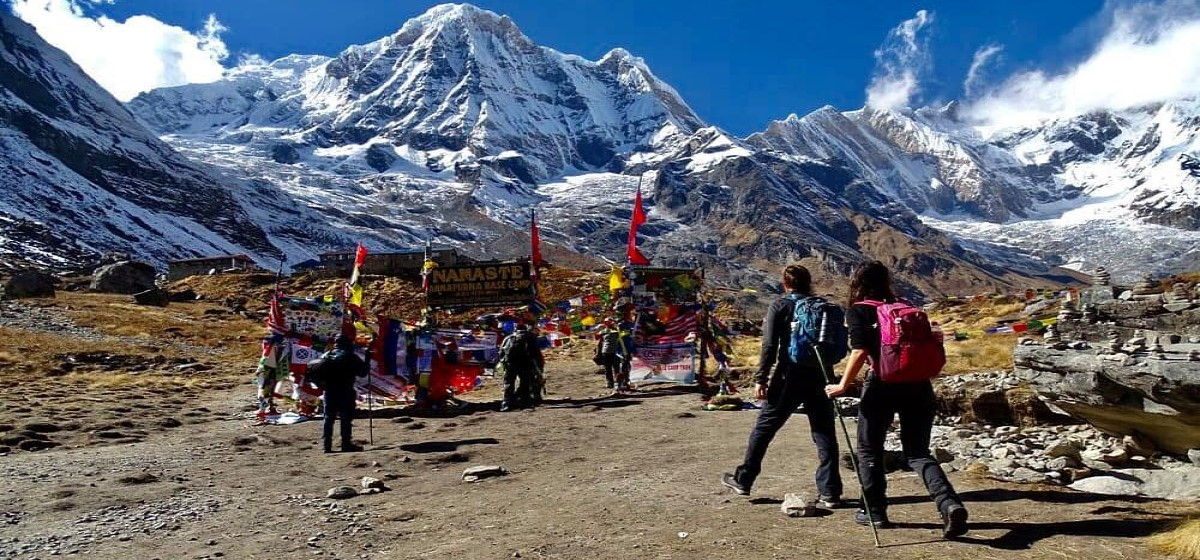
The Annapurna Circuit remains one of the world’s most iconic trekking routes, attracting hundreds of thousands of travelers annually. The circuit includes breathtaking destinations such as the Annapurna Base Camp, Mardi Himal, Lwang, Ghandruk, Tilicho Lake, Thorong La Pass, Upper Mustang, Muktinath, Ghodepani, and Poon Hill, all of which are popular with both international and domestic trekkers.
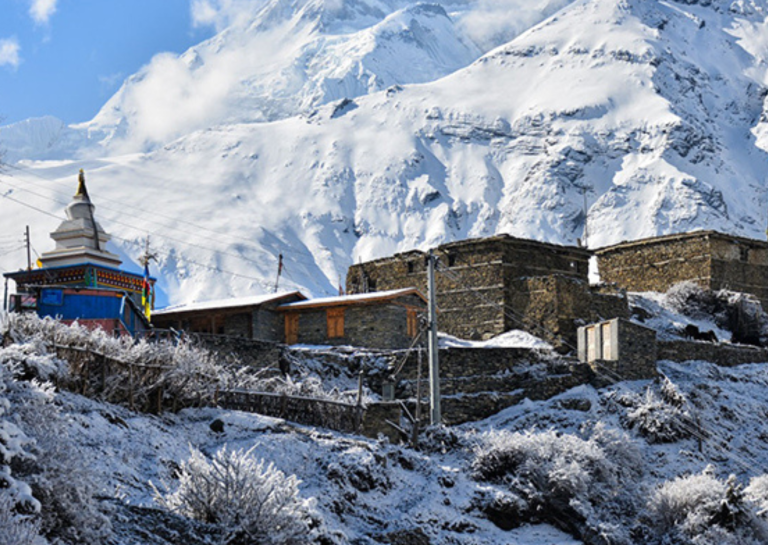
These destinations showcase a blend of snow-capped peaks, diverse landscapes, rich biodiversity, charming Himalayan villages, and unique cultural heritage, making the circuit consistently rank among the top trekking routes globally.

Unique Diversity Makes the Region a Top Choice
The Annapurna region stands out for its natural beauty, ecological diversity, mountain lifestyles, cultural richness, and exceptional hospitality. Trekking routes, short, medium, and long, are accessible from multiple entry points, including Kaski, Lamjung, Manang, Myagdi, and Mustang. This accessibility makes the conservation area suitable for a wide range of travelers, from casual trekkers to professional mountaineers.
Covering an expansive 7,600 square kilometers, the Annapurna Conservation Area comprises 87 wards across 15 local levels of the five districts. Its vastness, combined with well-developed tourism infrastructure, favorable climate, and strong community involvement, has helped the Annapurna Circuit maintain its status as one of the world’s finest trekking destinations.
A Global Destination Defined by Beauty, Culture, and Hospitality
With majestic Himalayan ranges, enriched biodiversity, hospitable local communities, and steadily improving tourist facilities, the Annapurna region continues to secure its reputation as a world-class adventure destination. The growing tourist numbers in recent years reflect its enduring appeal and the strong revival of Nepal’s tourism industry.