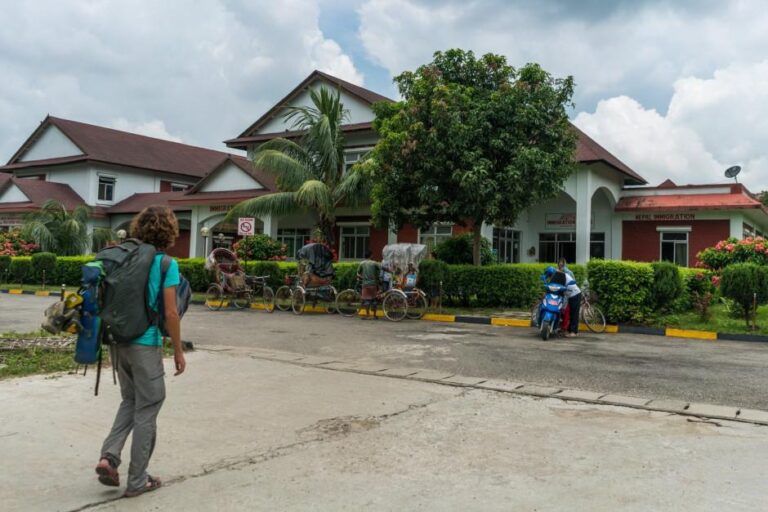
Nepal recorded a total of 7,642 tourist arrivals from third countries through the eastern border point at Kakarbhitta in the first nine months of the current fiscal year, according to the Immigration Office. Officials say the data reflects both the continued international interest in Nepal as a travel destination and a noticeable decline compared to the same period last year.
Visitors from 81 Countries Travel Through Eastern Entry Point of Kakarbhitta
Chief of the Immigration Office, Tulsi Bhattarai, stated that tourists from 81 different countries entered Nepal via Kakarbhitta during the review period. Among these, visitors from Bhutan topped the list, followed by tourists from the United States, Thailand, Australia, and the United Kingdom. The office reported that 4,154 tourists were recorded entering Nepal through this border point, with detailed figures highlighting key source markets.

According to Bhattarai, 1,612 tourists arrived from the United States, making it the largest contributor among third countries. This was followed by 525 visitors from Thailand, 229 from Australia, and 182 from the United Kingdom. Officials noted that the diversity of arrivals reflects Nepal’s growing global appeal, even through land entry points.
Popular Destinations Remain Key Travel Drivers
Tourists entering Nepal through the eastern border expressed strong interest in visiting some of the country’s most iconic destinations. According to immigration officials, most travelers indicated plans to visit places such as Lumbini, Pokhara, Kathmandu, Chitwan, and Gorkha.
These destinations continue to anchor Nepal’s tourism sector, offering a mix of cultural heritage, natural beauty, and wildlife experiences. Officials believe that improved connectivity and promotion of these destinations have contributed to sustained tourist interest.
Departures Exceed Arrivals Through Same Border
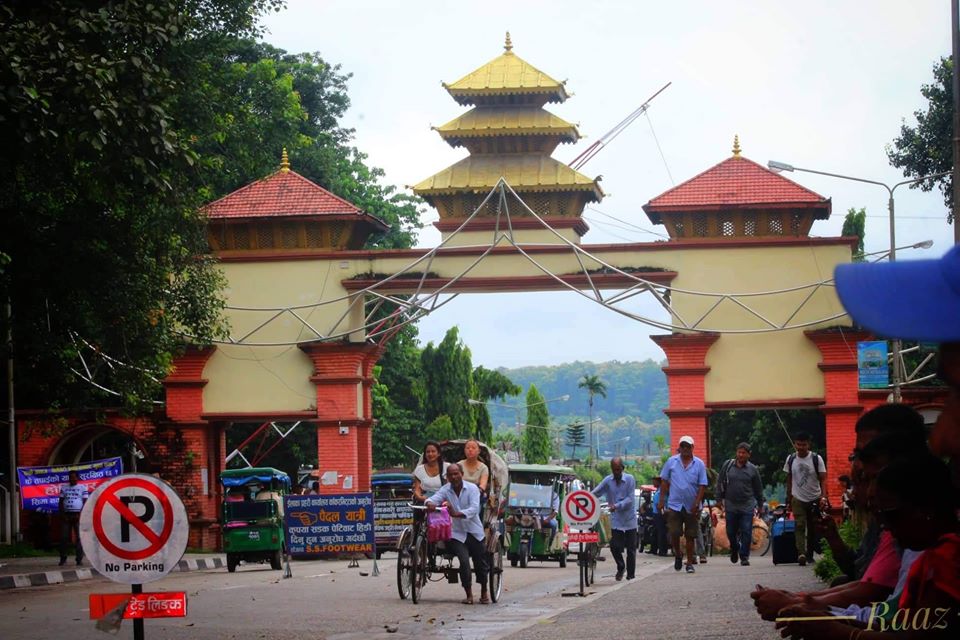
While arrivals remained significant, the number of tourists leaving Nepal through Kakarbhitta was notably higher. The Immigration Office reported that 9,942 tourists from third countries exited Nepal via the same border point during the nine-month period. This imbalance suggests that while the eastern border remains an active transit route, it is also widely used by tourists concluding their journeys in Nepal after entering through other points.
Return of Nepali Nationals Adds to Border Movement
In addition to foreign tourists, the border point also witnessed a substantial number of returning Nepali nationals. More than 3,000 Nepalis who had been abroad for study, employment, or other purposes re-entered the country through Kakarbhitta during the review period. Officials noted that the steady movement of Nepali citizens highlights the continued importance of the eastern border as a key transit hub for both international and domestic travelers.
Decline Compared to Previous Year Raises Concerns
Despite the steady inflow of tourists, officials acknowledged a decline in arrivals compared to last year. While exact comparative figures were not disclosed, the drop has raised concerns among stakeholders regarding shifting travel patterns and possible challenges affecting land-based tourism. Experts suggest that factors such as changing regional travel routes, increased preference for air travel, and external economic conditions may have contributed to the decline.

Need for Strategic Promotion and Infrastructure Development
Tourism stakeholders emphasize the need to strengthen infrastructure and promotional efforts in eastern Nepal to attract more visitors through land entry points like Kakarbhitta. Improving road connectivity, enhancing border facilities, and developing nearby tourist attractions could help boost arrivals and balance the flow of tourists across different entry points. Officials believe that with targeted strategies, the eastern corridor can play a more significant role in Nepal’s overall tourism growth.
Eastern Border Remains Vital but Needs Boost
The Kakarbhitta border continues to serve as an important gateway for international tourists and returning Nepali nationals. While the diversity of visitors reflects Nepal’s global reach, the decline in arrivals signals the need for renewed focus on regional tourism development. Strengthening infrastructure, promoting lesser-known destinations, and improving travel experiences at border points could help Nepal better capitalize on its tourism potential through the eastern region.