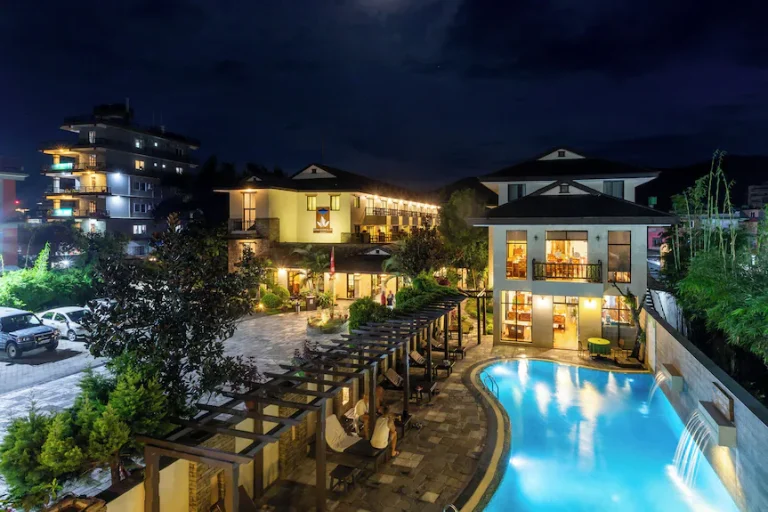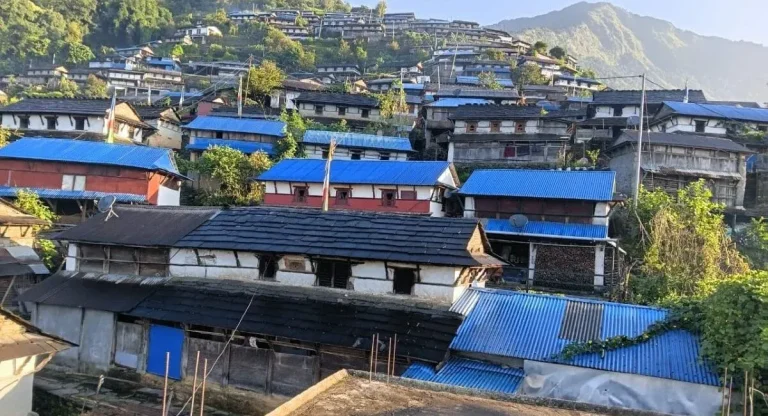
Byas Municipality has initiated preparations to launch a land pooling (land consolidation) project in Manungkot, aiming to transform the scenic hilltop into a well-managed and sustainable tourism destination.
The project will cover approximately 700 ropanis of land in Ward No. 5 and is expected to lay the foundation for systematic infrastructure development while preserving the area’s natural and cultural identity.

Vision to Build a Sustainable Tourist Village
According to Chief Administrative Officer Sukdev Lamsal, the initiative is part of a broader plan to develop Manungkot as a model tourist village. He confirmed that preliminary studies for the project have already been completed.
The municipality is preparing to implement the project through its own dedicated land pooling implementation unit, ensuring institutional capacity and structured execution. Lamsal stated that the initiative will help develop Manungkot into an attractive destination with planned infrastructure, adding that its proximity to Damauli and its unique landscape make it highly suitable for long-term tourism development.
Infrastructure Development to Be Prioritized
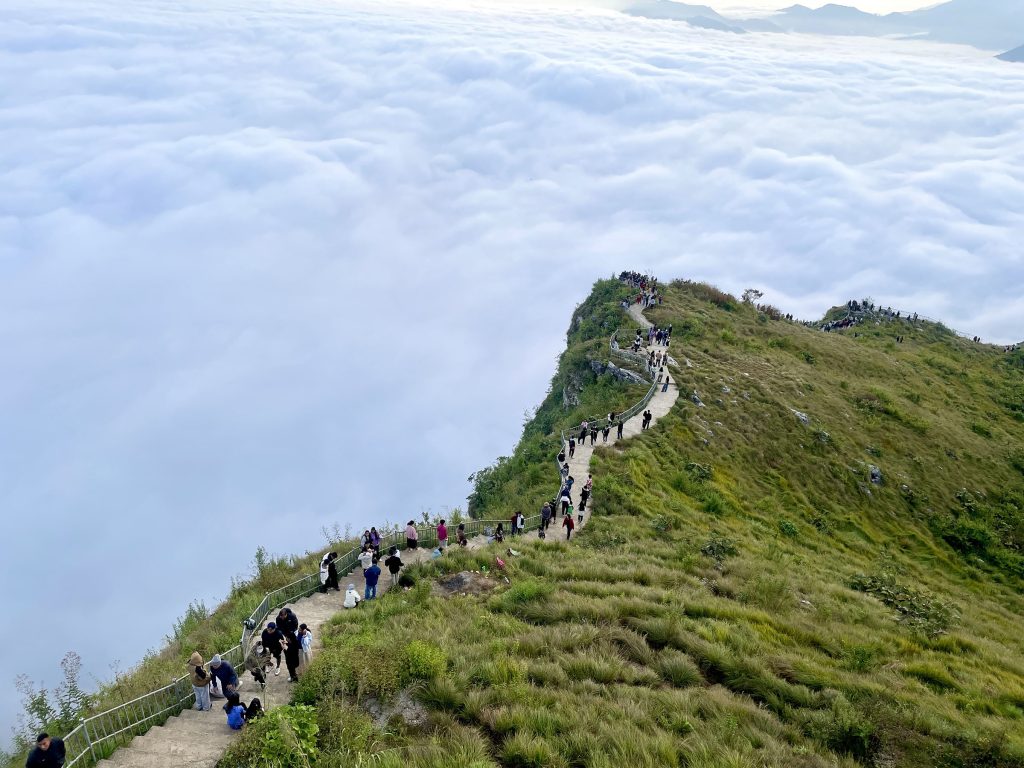
Once implemented, the project will focus on building essential infrastructure, including roads, drinking water systems, electricity supply, walking trails, parks, and other basic facilities. Municipal officials believe that planned infrastructure development will not only enhance visitor experience but also ensure sustainable urban expansion in the area. The initiative is also expected to create local employment opportunities, encourage organized settlement, and attract both domestic and international tourists.
Rising Popularity of Manungkot Among Tourists
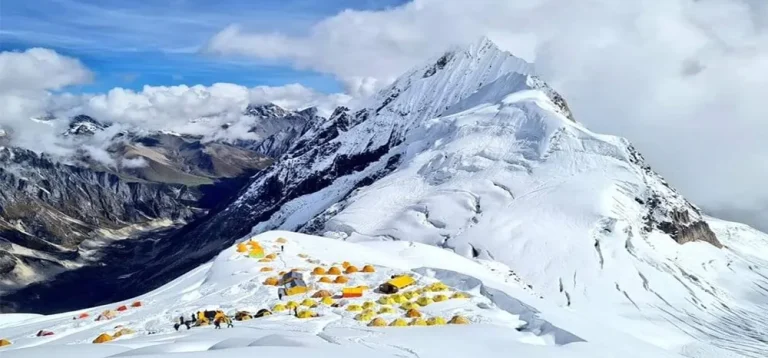
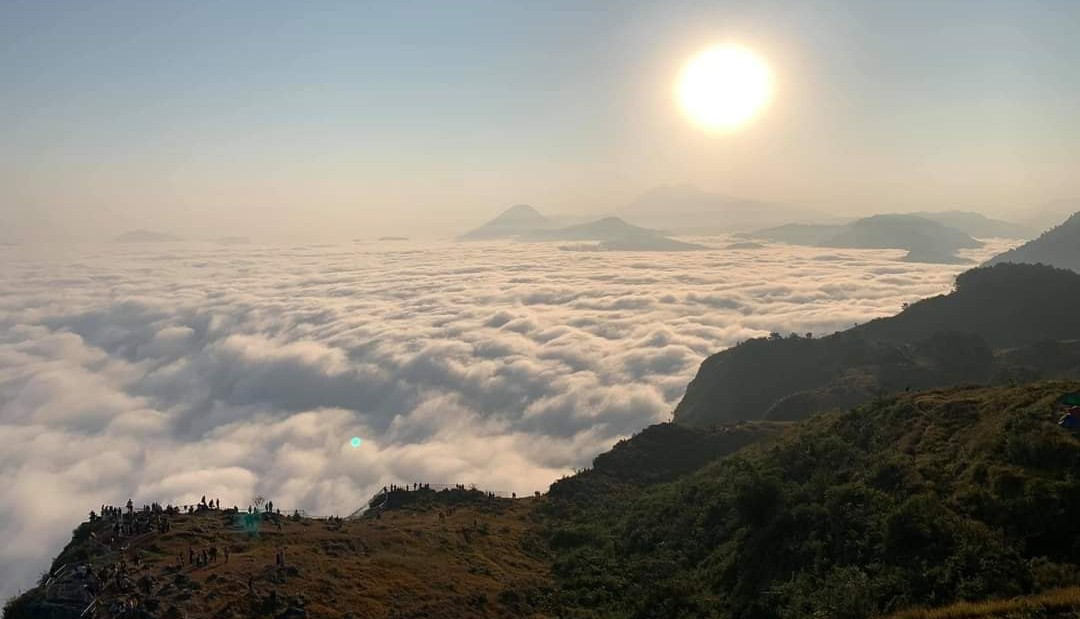
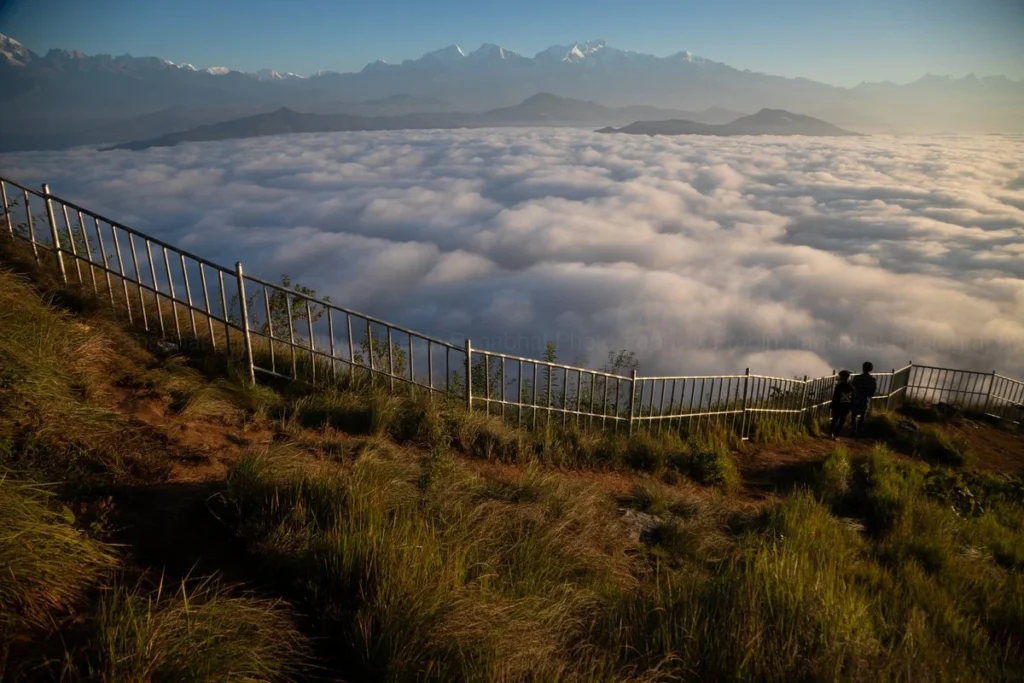
Manungkot has recently emerged as a popular destination due to its breathtaking natural views, especially the spectacular sunrise and sea of clouds (fog views) that blanket the nearby valley. From this vantage point, visitors can enjoy panoramic views of major Himalayan ranges, including Dhaulagiri, Machhapuchhre, Annapurna, Manaslu, and Lamjung Himal. The growing number of visitors has contributed to the area’s transformation into a trending hilltop getaway in Gandaki Province.
Cultural and Mythological Significance Adds Appeal
Beyond natural beauty, Manungkot also carries cultural and mythological significance. The phenomenon of fog covering Damauli Bazaar is linked to a traditional belief associated with sage Parashar Rishi. According to local legend, Parashar Rishi created a blanket of fog to conceal his union with Satyawati, adding a spiritual and cultural dimension to the landscape that continues to intrigue visitors.
Reverse Migration and Local Economic Revival
The recent rise in tourism has begun to reverse migration trends in the area. Locals who had previously moved to urban centers are now returning to Manungkot to engage in tourism-related businesses. This shift is seen as a positive indicator of rural economic revival, with homestays, small enterprises, and local services gradually expanding to meet growing demand.

Improved Road Connectivity Boosts Accessibility
Accessibility to Manungkot has significantly improved with road upgrades supported by the Ministry of Urban Development. The road section from Alanche to Manungkot, spanning 4,300 meters, has been blacktopped, while an additional 180 meters has been constructed using RCC due to technical challenges. The improved road network is expected to further increase tourist inflow and support the municipality’s long-term tourism vision.
The proposed land pooling project marks a major step toward transforming Manungkot into a planned, sustainable, and high-potential tourism hub. With its natural beauty, cultural significance, and improving infrastructure, the destination is poised to become a key attraction in Nepal’s tourism landscape. Officials remain optimistic that the initiative will not only enhance tourism but also contribute to balanced regional development and community prosperity.