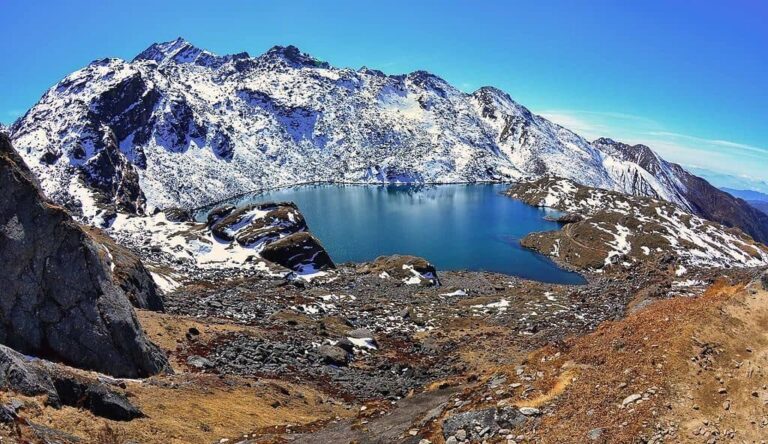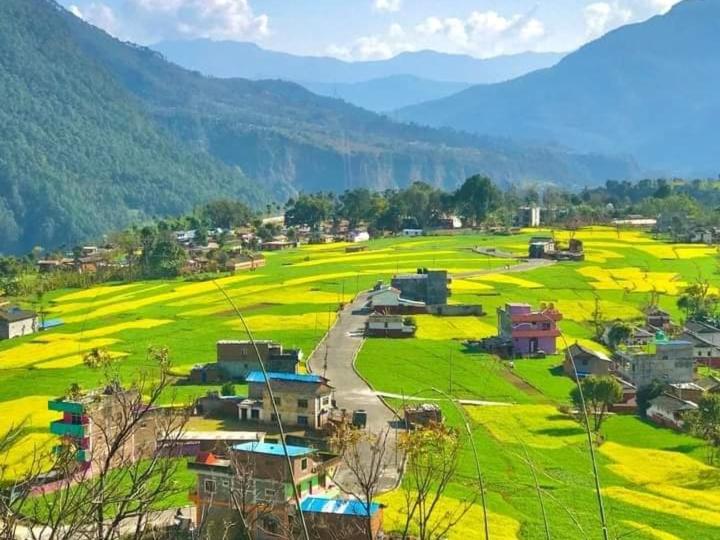
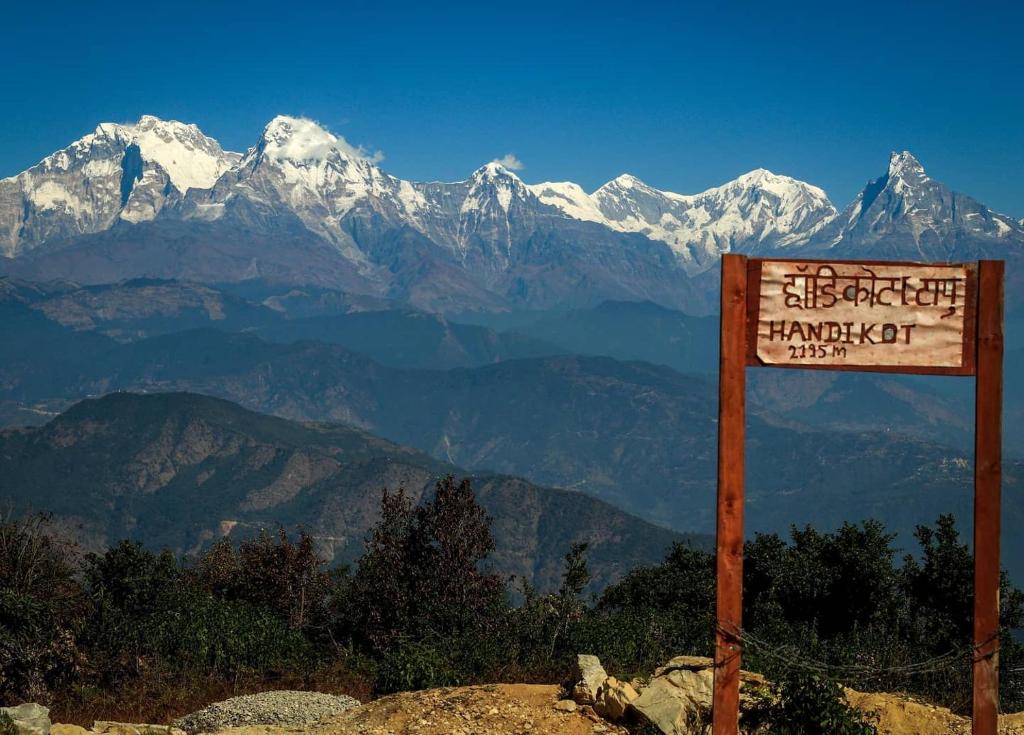
Bhakunde, one of the most popular rural tourist destinations in Baglung district, has seen a sharp decline in visitors due to monsoon-induced road damage. Known for its scenic Himalayan views and authentic village lifestyle, Bhakunde has been a hotspot for internal and foreign tourists seeking immersive rural experiences. However, the arrival of the rainy season has brought tourism to a standstill.
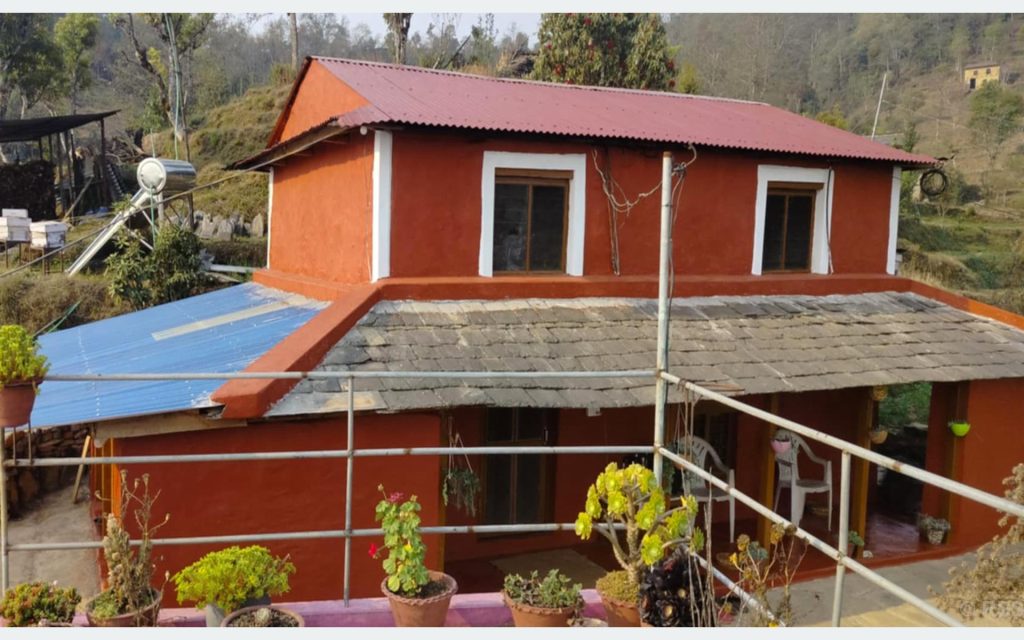
Located in Baglung Municipality–10, Bhakunde hosts 15 active home-stays operated by locals. Until the last week of Jestha (mid-June), the area experienced steady tourist flow. But with the onset of heavy rainfall and the resulting deterioration of roads, the home-stays are now deserted.
Locals Shift Back to Agriculture Amid Tourism Lull
With no guests arriving, local home-stay owners have returned to traditional farming activities. Yambahadur Thapa, one of the pioneer home-stay operators in Bhakunde, shared that while the winter season brings in a good number of tourists, the four-month monsoon period leads to a complete shutdown of their hospitality services.
“Our home-stays are fully dependent on accessibility. If the road from Baglung Bazaar to Bhakunde was well-maintained, we could attract visitors year-round,” Thapa said. “Even a little rain makes the road impassable for vehicles. These days, people don’t prefer walking long distances. If the government upgraded this road, it would not only boost tourism but also ease transport for locals.”
He added that monsoon harvest time sees them busy with planting millet and harvesting potatoes, a seasonal shift away from tourism-focused income. Bhakunde is reachable within an hour by vehicle or about one and a half hours on foot from Baglung Bazaar, making it an ideal short getaway if road conditions permit.
Beldhunga Home-Stays Also Suffer Due to Access Issues
A similar story echoes in Beldhunga Community Home-Stay, located in Dhamja of Kathekhola Rural Municipality–3. Operator Gopal Shrish shared that the influx of guests came to a halt from the first week of Ashadh (mid-June), directly after the rains began.
“Most of our guests are from urban areas, and they simply can’t reach us when the road is in such poor shape,” Shrish lamented. “Though we remain in contact with many tourists who express interest, we are unable to host them due to impassable roads.”
He added that despite being the prime season for organic vegetables, home-stay operators find themselves unable to serve these to tourists or even sell them in the market due to transportation challenges. “For those who run home-stays professionally, these three to four months of monsoon are extremely hard. It’s a struggle just to support our families.”
Tourism Potential Undermined by Poor Infrastructure
Both Bhakunde and Beldhunga have established themselves as emerging rural tourism hubs with community-led home-stay models. These offer not just accommodation, but a complete experience of Nepali village life, from local cuisine and farming participation to cultural activities and panoramic mountain views.
However, these communities are at the mercy of unpredictable road access. The very tourists they aim to attract are often discouraged by unsafe or unpassable routes during the rainy season. As a result, even strong interest and word-of-mouth publicity do little to sustain business during the monsoon.
Local Government Acknowledges Challenge, Promises Improvements
Kathekhola Rural Municipality Chairperson Raju Thapa acknowledged the pressing need for improved road infrastructure. He said the local government is working to ensure all-season road connectivity in rural areas linked to tourism.
“The rural home-stay model has great potential to boost local economy and promote cultural preservation,” Thapa said. “We are prioritizing the development of roads that connect these villages to the main towns. While some roads are still difficult during the rainy season, we are addressing them gradually.”
He also highlighted that the municipality is promoting home-stays as a key part of their tourism development strategy. Investments in infrastructure, training, and marketing are in the pipeline to make these ventures sustainable throughout the year.
Sustainable Solutions Needed for Monsoon Tourism Gap
Despite the natural beauty and unique experiences offered by villages like Bhakunde and Beldhunga, the lack of year-round accessibility continues to stunt their tourism growth. Home-stay operators believe that small interventions, like road maintenance, better drainage systems, and transportation subsidies, could dramatically improve tourist flow even during the rainy months.
Tourism experts also emphasize the need for a broader national strategy that supports rural tourism infrastructure. Grants, insurance, or seasonal support for home-stay operators could prevent the seasonal collapse of business and income during monsoon.
Furthermore, promoting trekking and nature tourism that thrives even in light monsoon conditions, like short hikes and eco-stays, could help attract a new type of visitor less deterred by rain.
From Potential to Progress
Bhakunde and Beldhunga stand as examples of what rural Nepali tourism can offer, authentic experiences, natural beauty, and warm hospitality. But without reliable infrastructure and targeted support, this potential remains underutilized.
As home-stay operators adapt to farming during the off-season, they await government and private sector attention to bridge the gap, literally and figuratively, between their villages and the rest of the world. A sustainable and inclusive approach to tourism development could ensure that these quiet months of rain eventually give way to a year-round flow of curious and respectful travelers.