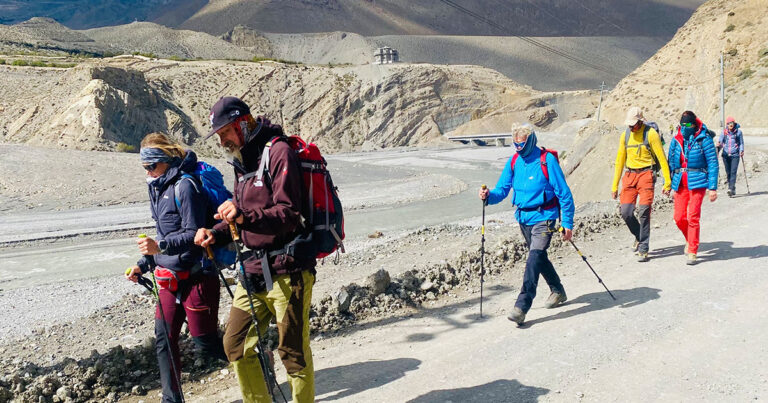
A 34-year-old man from Melung Rural Municipality-7, Dolakha, tragically lost his life near the Makalu Base Camp after suffering a health complication, police reported. Arun Karki, who had traveled to the Makalu Base Camp for trekking, faced serious health issues as he approached the area.
The fatal incident occurred at a location called Sersung, situated at approximately 5,000 meters above sea level near the Makalu Base Camp. Despite being on a trekking expedition, Karki suddenly experienced severe health problems that led to his death on Tuesday.

Response and Rescue Efforts
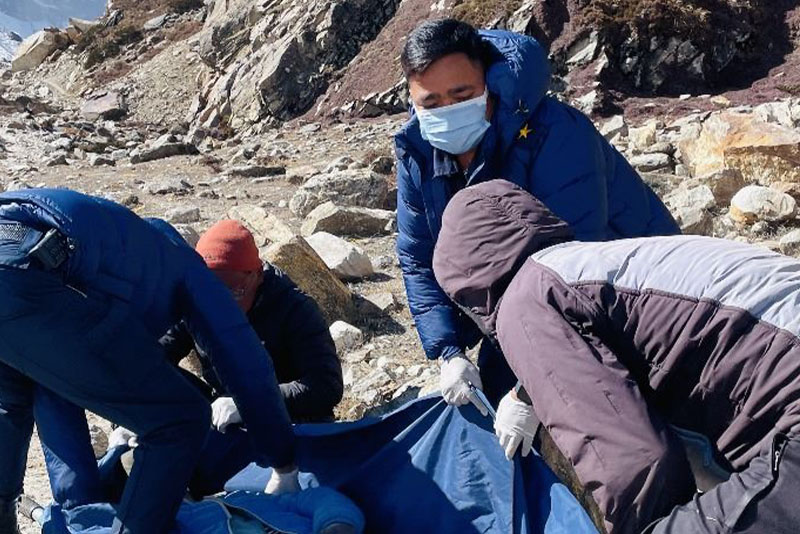
Police were informed of the incident on Tuesday; however, due to the remote and geographically challenging terrain, a rescue team could only reach the site later in the day. A three-member team led by Police Inspector Meghraj Aryal arrived at the scene to provide assistance.
Following the recovery of the body, it was airlifted via helicopter to KMC Hospital, Duwakot, Bhaktapur, for post-mortem examination, according to the District Police Office. The police noted that the site of the incident is a five-day trek on foot from the nearest police post at Makalu.
Challenges in Accessibility
Makalu Base Camp remains largely inaccessible in terms of transportation and communication facilities. The lack of infrastructure and difficult terrain significantly delayed immediate medical response and rescue operations, highlighting the risks associated with high-altitude trekking in the region.

Authorities Urge Caution
The police and local authorities have urged trekkers to exercise caution and prepare adequately for health emergencies when visiting high-altitude regions like Makalu. They emphasized the importance of proper acclimatization, medical readiness, and travel planning before undertaking such expeditions.
Local authorities and trekking agencies continue to work on improving emergency response mechanisms in remote trekking areas. The tragic loss of Arun Karki serves as a reminder of the dangers associated with high-altitude trekking and the critical need for accessible medical support in isolated regions.