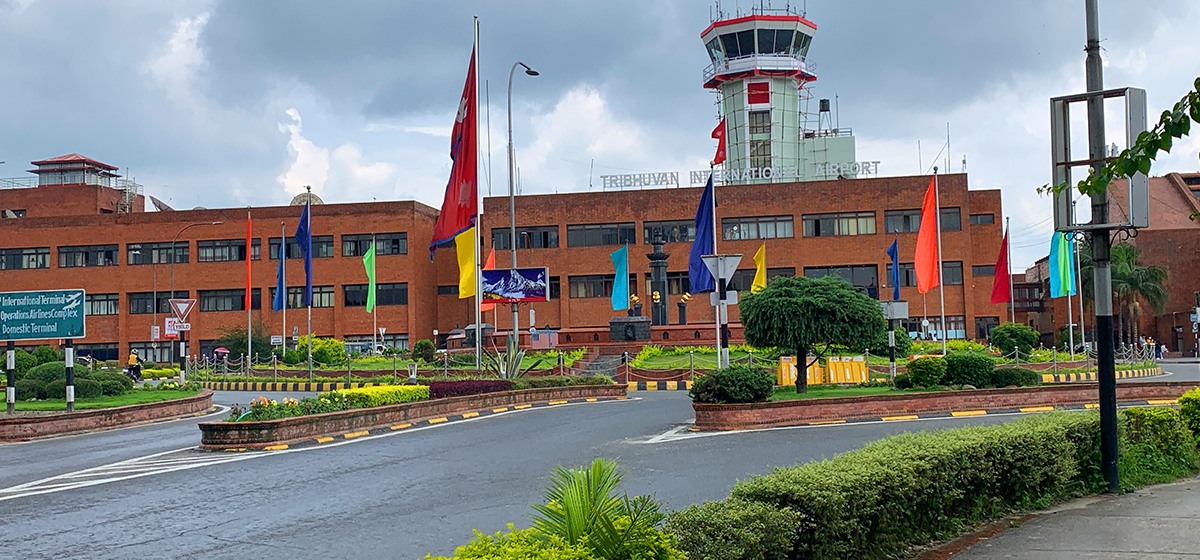
The Tribhuvan International Airport (TIA) office under the Civil Aviation Authority of Nepal has decided to discontinue the distribution of visitor passes at the international terminal building starting from July 12 (Shrawan 27). This decision comes after increasing complaints regarding difficulties faced by people in obtaining visitor passes, including allegations of undue demands and favoritism during the issuance process. Hansraj Pandey, the General Manager of Tribhuvan International Airport, confirmed the change, explaining that the measure was taken to ensure fairness and improve airport security protocols.
Complaints of Irregularities and Accessibility Issues
Several passengers and visitors had lodged complaints that visitor passes were being distributed with demands for informal payments and that many people without proper connections were unable to access these passes. The airport authority acknowledged these concerns, recognizing the need to streamline access to the terminal premises and prevent misuse or corruption linked to visitor passes. This step reflects the it’s commitment to maintain transparency and equitable treatment for all visitors.
Decision Made by Airport Facility Committee
The decision to halt the distribution of visitor passes was finalized by the TIA Facility Committee, which oversees passenger amenities and operational guidelines at the airport. According to General Manager Pandey, this committee approved the suspension of visitor pass distribution through the duty office at the international terminal building, effective from Shrawan 27 (July 12). The committee emphasized that this move aligns with enhancing security measures and minimizing unnecessary foot traffic within restricted areas.
Special Assistance Provisions for Vulnerable Passengers
Although visitor passes will no longer be issued, the management has assured that special arrangements have been made to support individuals who require assistance. The airport office released a public notice confirming that an assistance desk has been established for elderly passengers, physically challenged individuals, pregnant women, and minors who need personal support while navigating the terminal. This desk will provide guidance and help to ensure a smooth travel experience for vulnerable travelers without requiring visitor passes.
Collaboration with Airlines for Passenger Assistance
Furthermore, the General Manager highlighted that airlines operating at TIA will facilitate special support services such as wheelchair assistance for passengers with mobility challenges. This cooperation between the authority and airlines aims to maintain accessibility while adhering to the new visitor pass regulations. Passengers requiring such help are advised to coordinate with their respective airlines in advance to ensure timely and effective support.
Baggage Check-In Procedures and Compliance
In addition to the changes in visitor pass policy, the office reminded passengers to strictly follow baggage check-in procedures. The number of checked-in items and the maximum weight allowed per passenger are clearly specified on flight tickets. Travelers are urged to comply with these limits to avoid delays or additional charges during the check-in process. Maintaining adherence to these guidelines will facilitate smoother operations and reduce congestion at airport counters.
Public Notification and Implementation
The suspension of visitor pass distribution has been officially communicated to the public through a notice issued by the TIA office. The notification emphasizes that the new rule will take effect starting Tuesday, July 12, and requests all stakeholders, including passengers, visitors, and airline staff, to be informed and cooperate accordingly. The management team stressed that the decision is part of ongoing efforts to enhance security, streamline passenger movement, and uphold the integrity of airport operations.
Impact on Relatives and Visitors at the Airport
The visitor pass system previously allowed friends and family members to enter the terminal building to assist or accompany travelers. Its suspension means that such access will no longer be available, except for those with valid reasons such as providing personal assistance to vulnerable passengers. While this may inconvenience some visitors, the airport authorities have prioritized overall safety and operational efficiency. The management encourages relatives and friends to arrange meeting points outside the terminal premises to welcome arriving passengers.
Enhanced Security Measures at TIA
The suspension of visitor passes is part of a broader initiative to tighten security at Nepal’s busiest airport. In recent years, increasing passenger volumes and global aviation security standards have compelled airport authorities worldwide to reassess access protocols. By limiting the number of non-travelers within terminal buildings, TIA aims to reduce potential security risks and better manage the flow of passengers.
Encouraging Public Cooperation and Awareness
Airport officials urge the general public to cooperate with the new policy and rely on official channels for travel-related assistance. The airport encourages travelers to seek information through airline representatives, airport helplines, and the assistance desk for any support required. Public awareness campaigns and clear signage within the airport premises will help passengers and visitors adjust to the new system.
Looking Forward: Balancing Security and Convenience
While the suspension of visitor passes may initially disrupt familiar routines for some travelers and their families, the airport authority believes this step is essential for maintaining high safety standards and efficient passenger management. The TIA office has expressed its commitment to continuously evaluate and improve passenger services, ensuring that the airport remains accessible and user-friendly while safeguarding against unauthorized access.
TIA’s decision to halt the distribution of visitor passes at the international terminal marks a significant shift in airport access policy aimed at addressing security concerns and complaints regarding irregularities. By providing alternative assistance services for vulnerable passengers and enhancing cooperation with airlines, the airport management seeks to balance safety with passenger convenience. As the new policy comes into effect, all stakeholders are requested to adhere to the guidelines and support the airport’s efforts to provide a safe and efficient travel environment.