The new policy comes at a time when global fuel prices remain volatile due to ongoing international conflicts. The government’s decision to introduce a two-day public holiday each week, Saturday and Sunday, effective from April 1, is being widely welcomed by the tourism stakeholders, who believe the move will significantly promote domestic tourism and support the recovery of the country’s tourism industry.
Policy Aimed at Economic and Energy Efficiency
Under the new provision, government offices and schools will operate five days a week, replacing the previous six-day schedule. The policy has been introduced not only to improve work-life balance but also as a strategic measure to reduce fuel consumption amid the ongoing global energy crisis triggered by international conflicts.

Officials believe that fewer commuting days will lower fuel usage, helping the country manage rising energy costs while contributing to environmental sustainability.
Encouraging Domestic Travel Culture in People
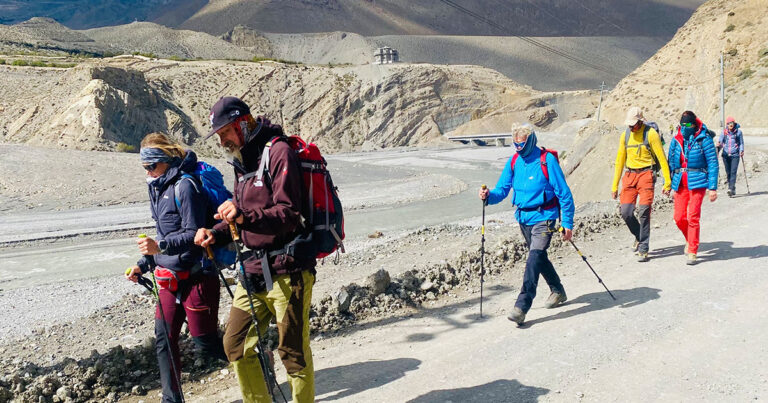
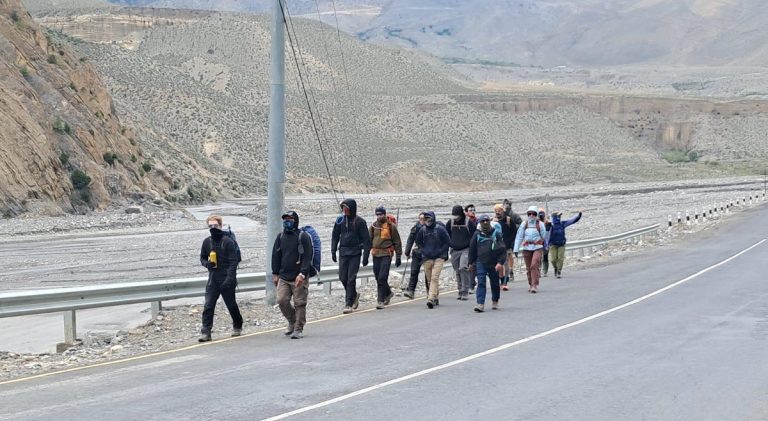
Tourism entrepreneurs and stakeholders have expressed optimism that the extended weekend will encourage more Nepalis to travel within the country. With two consecutive days off, working individuals are more likely to plan short trips, particularly one-night, two-day packages, which are expected to gain popularity.
Industry experts say that such travel patterns could provide a steady flow of visitors to key destinations, especially during weekends, revitalizing local tourism businesses that have struggled in recent years.
Positive Outlook from Tourism Stakeholders
Outgoing Chair of the Regional Hotel Association Chitwan, Deepak Bhattarai, noted that a similar provision implemented briefly in the past had shown encouraging results. He emphasized that if the current policy is sustained, it could have a lasting positive impact on the tourism sector.
Likewise, Vice-Chair Gunaraj Thapaliya highlighted that international markets remain closed on Sundays, making a two-day weekend more practical and aligned with global practices. Gunaraj Thapaliya added that industry stakeholders have long been advocating for the permanent adoption of such a system.

Entrepreneurs Express Confidence
Hospitality entrepreneurs in Chitwan have also voiced strong support for the initiative. Samesh Silwal, proprietor of Hotel Vista Chitwan, expressed confidence that the policy will continue in the long term and help boost domestic tourism activities.
Similarly, Prakash Neupane, General Manager of Banbas Resort Chitwan, recalled that former Prime Minister Krishna Prasad Bhattarai had also introduced a two-day weekend in the past. However, the initiative could not be sustained at that time. Neupane expressed hope that the current government will maintain the policy consistently to ensure its benefits are fully realized.
Political Stability Adds to Optimism
Tourism stakeholders are also optimistic about the broader political environment, noting that the current government holds a near two-thirds majority. They believe this stability increases the likelihood of policy continuity, which is crucial for long-term planning and investment in the tourism sector.
Boost for Chitwan and Key Destinations
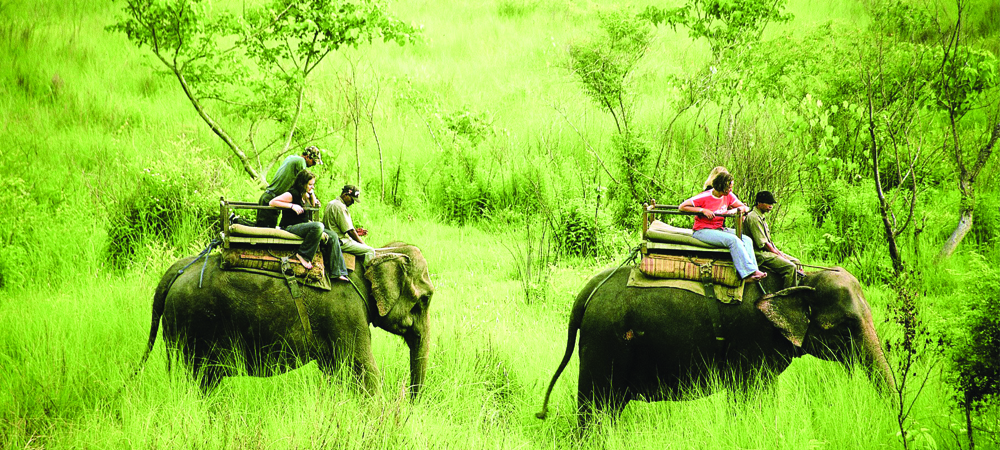
Popular destinations such as Sauraha, Patihani, Meghauli, and Bharatpur are expected to benefit significantly from the new weekend structure. These areas, known for wildlife tourism and natural beauty, already attract a large number of domestic visitors, particularly during holidays.
With the introduction of a two-day weekend, tourism operators anticipate a rise in visitor numbers, especially from urban centers, leading to increased occupancy rates in hotels and resorts.

Toward a More Vibrant Tourism Industry
Overall, the two-day weekend policy is expected to make Nepal’s tourism industry more vibrant by encouraging frequent short trips among domestic travelers. At the same time, it may help reduce the state’s operational burden by lowering energy consumption and improving efficiency.
As the country continues to recover from global disruptions, stakeholders see this initiative as a timely step toward strengthening domestic tourism and ensuring sustainable growth in the sector.