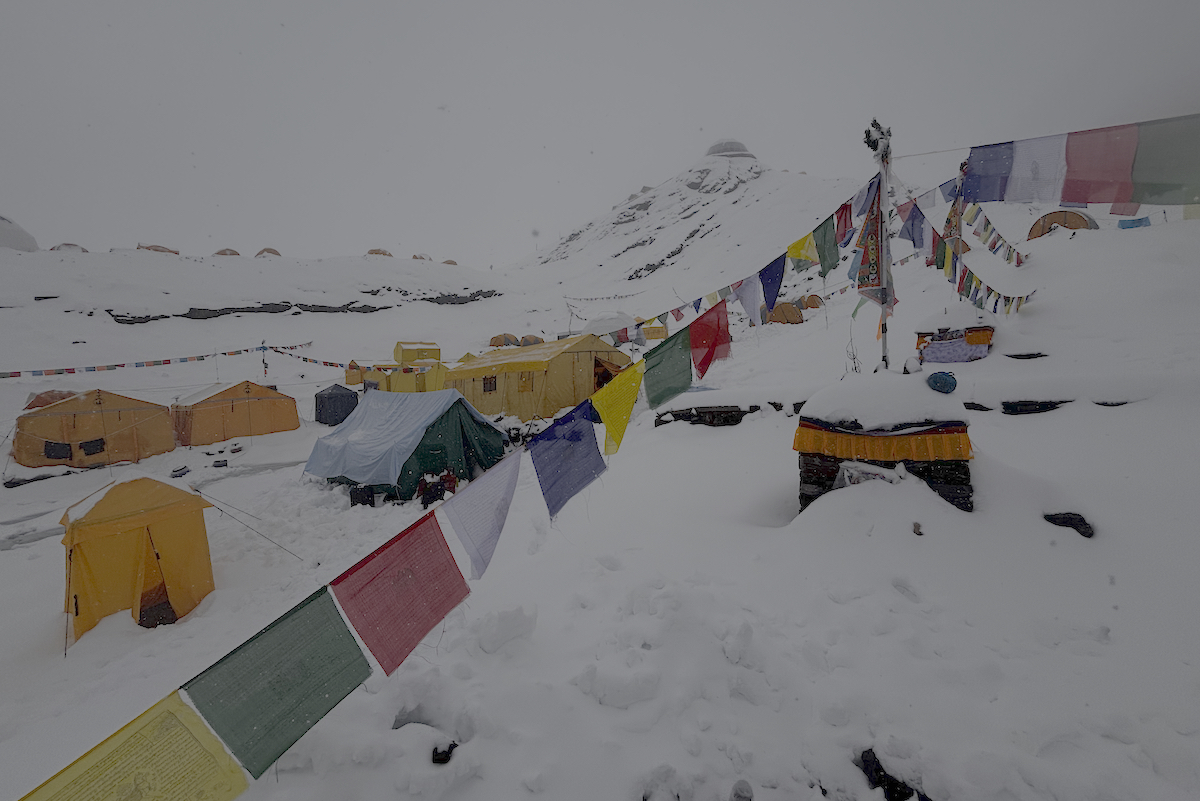
An avalanche in Manaslu has buried a tent at Camp III, claiming the life of an Indian German climber and his Nepali guide as ongoing snow and wind impacts the autumn climbing season. The climbers were identified as Dhruba Jyoti Guha and Fursemba Sherpa who came from Makalu district in eastern Nepal. Makalu Adventure, the expedition organiser, said the pair, who belonged to a seven member foreign climbing team, moved from Camp II to Camp III to rest before a planned summit push, as the remaining six members stayed at Camp II.
The organiser reported that the pair ceased responding to communications at around 11:30 a.m. on September 20, prompting four Sherpa climbers to begin a search. The rescuers dug up several feet of snow and ice to find the two bodies, who were found buried under nearly seven feet of snow, with deaths confirmed at the scene. However, the bodies could not be retrieved immediately as snowfall continued on the mountain and the dangers of further avalanches threatened. The rescuers were then ordered to head down to the lower camps and recovery operations will continue when conditions on the mountain improve.

An Avalanche Impacts The Autumn Summit Season
Heavy snow, which began on Friday evening continued through Sunday, making conditions on the mountain more difficult. Strong winds and fresh snow have been hindering summit preparations while growing risks of avalanches have been impacting travel between the higher camps. Recently, reports have also come in that the weather has already been causing summit attempts by climbers, who are waiting at base camp, to be delayed.
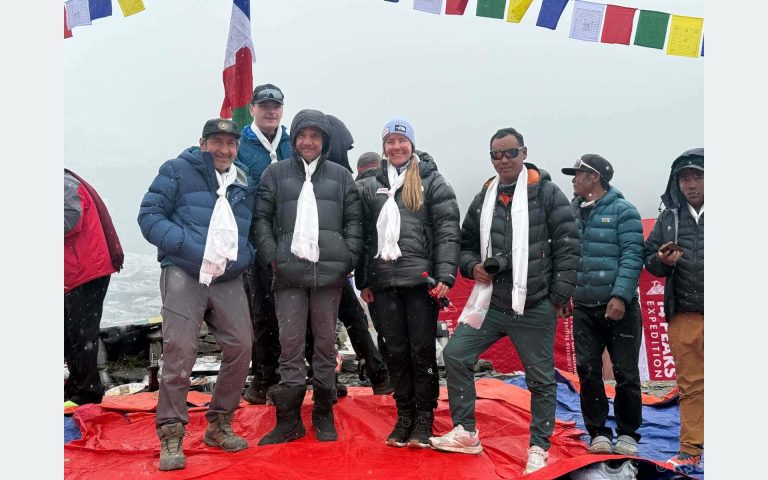
According to the organizer, the six members of the foreign team who stayed at Camp II successfully descended to the base camp. This latest incident took place a few days following an avalanche, which took place above Camp III had hindered rope fixing work. Though the rope fixers were unharmed at the time, the summit route was opened last week after a nine member rope fixing team managed to reach Manaslu’s 8,163 metre summit to prepare the route for the autumn climbing season.
Manaslu’s Autumn Death Toll Hits Four
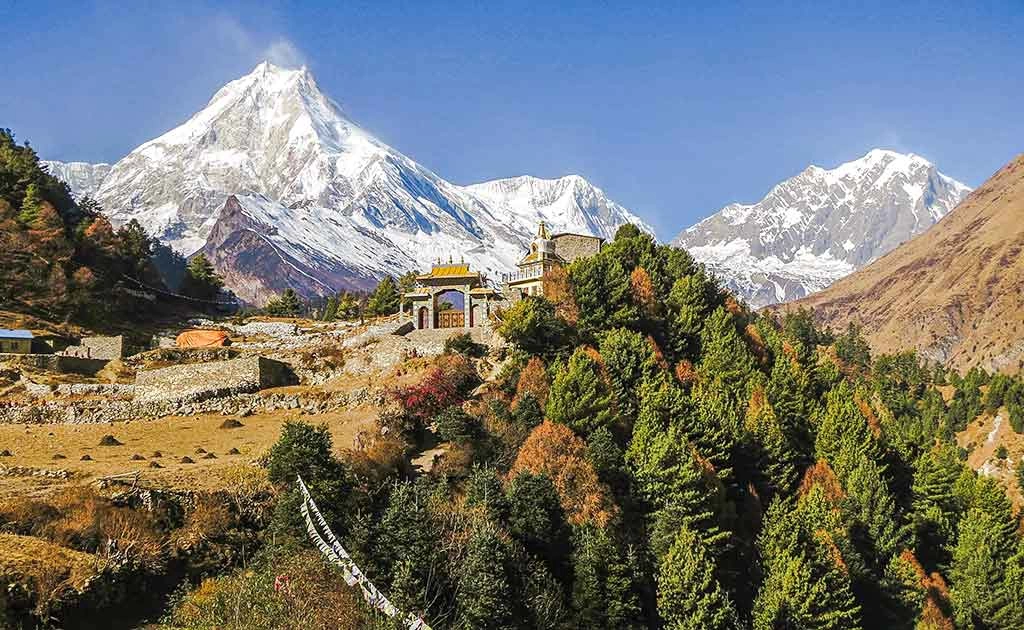
With these latest deaths, the number of reported fatalities on Manaslu for this autumn has now climbed to four. Before being found dead in a tent at Manaslu Base Camp on September 5, Tashi Sherpa, a twenty year old Nepali high altitude worker was found dead in a tent. On September 17, Lau Wee Seng, a 50 year old climber from Singapore, died at roughly 6,000 metres as he was descending from Camp II during an acclimatisation rotation. While reports on the circumstances of the deaths of previous climbers have been released separately, the two most recent fatalities were the result of an avalanche that engulfed their tent at Camp III.
These deaths come amid a busy autumn season on the mountain, which is the world’s eighth highest. For the season on Manaslu, the Department of Tourism has granted 480 permits to foreign climbers, consisting of 354 men and 126 women, which generated US$1.44 million in royalties from the mountain. Over 500 Nepali guides and support staff are also taking part in expeditions on the mountain.

Increased Crowds And Weather Adds Pressure To Summits
The increased number of climbers and support staff has raised concern over congestion while a stretch of good weather could cause many expeditions to be attempting to reach the summit together. Previously, reports have noted crowding along parts of the climbing route as teams transition between higher camps to be ready to attempt the summit. With worsening conditions on the mountain, expedition operators have to also manage the movement of expeditions and weigh up avalanches risks and the short windows of favourable weather.
This latest incident comes as a further unsettled period of weather is set to hit the region. With ongoing snowfall and winds, concerns were held by climbers at base camp while forecasts show shifting conditions near the approaching weather window. For expedition teams, guides and support staff at high altitude, this means that they will be continually looking to reach the summit based on snow stability and the latest weather updates. Recovering the two bodies also has to wait for more stable conditions on the mountain, which will be safe for rescuers to travel between camps.