
American endurance athlete Tyler Andrews has reportedly set a new fastest known time (FKT) on the Everest Base Camp (EBC) Lukla route, completing the challenging 54.4-kilometre Himalayan journey in 7 hours and 43 minutes on Tuesday. The achievement highlights the demanding terrain of Nepal’s Khumbu region and its growing appeal among international endurance athletes. The route connects Everest Base Camp with Lukla, passing through popular trekking settlements and mountain landscapes, including Lobuche, Pheriche, Tengboche, Namche Bazaar and Phakding. Its rugged trails, significant elevation changes and high-altitude conditions make it a demanding test of endurance.
Andrews Completes Challenging Route Through the Everest Region
According to the reported details, Tyler Andrews began his attempt at Everest Base Camp at 7:45 am after travelling by helicopter from Namche Bazaar to Gorakshep and trekking onward to the base camp. From there, Tyler Andrews descended through the Khumbu region towards Lukla, covering approximately 54.4 kilometres across challenging mountain terrain. The route passes through several major settlements along the Everest trekking corridor, offering views of the Himalayan landscape while requiring athletes to navigate steep trails, varied terrain and substantial elevation differences. The combination of altitude, distance and demanding trail conditions makes the journey particularly challenging for endurance runners.
Tracking Data Shows Progress Along the Route
According to the athlete’s Garmin tracking data, Tyler Andrews progressed through several settlements during the attempt. Tyler Andrews was near Lobuche at approximately 8:50 am and reached Pheriche around 9:40 am. By 11 am, he had passed through Tengboche before reaching Kyangjuma at around noon. Andrews arrived in Namche Bazaar at approximately 12:41 pm, continued through Chumoa at 1:41 pm and passed Phakding at around 2:21 pm before completing the journey to Lukla. These reported timings provide an indication of his progress along the route. The final time and the precise record category should be confirmed against the official tracking data and relevant fastest-known-time records.
Previous Records on the Everest Base Camp–Lukla Route
Before Tyler Andrews’ reported achievement, the men’s self-supported record for the Everest Base Camp-to-Lukla route stood at 9 hours, 47 minutes and 59 seconds. The time was set by David Byrne and Majell Backhausen on December 11, 2023. Andrews has also established notable speed achievements on the route in the opposite direction. On March 16, 2020, he completed the Lukla-to-Everest Base Camp journey in 11 hours, 1 minute and 49 seconds. On the same date, he recorded a round-trip time of 23 hours, 42 minutes and 13 seconds.
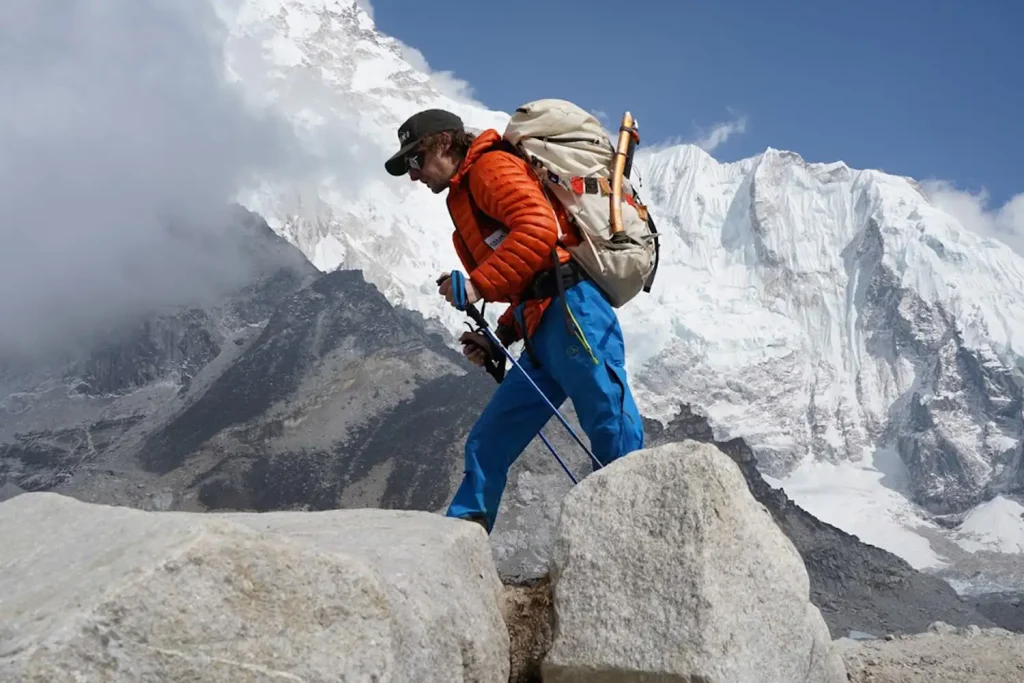
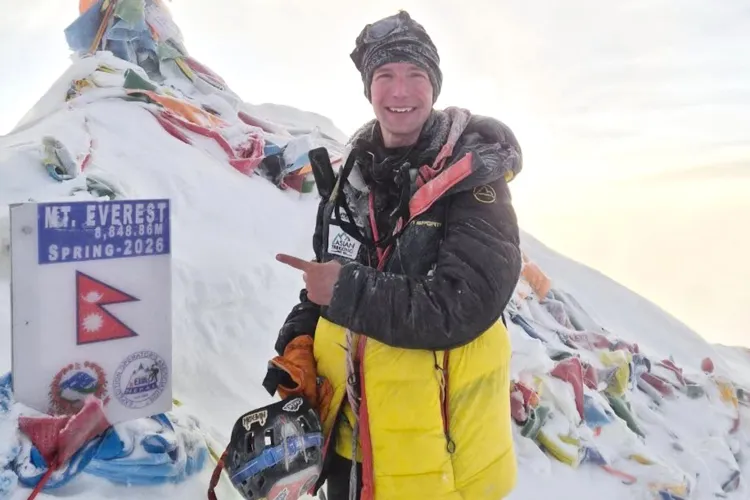
Tyler Andrews has previously attracted attention for his speed performances on Mount Everest. In May 2026, he reportedly completed the ascent from Everest Base Camp to the summit in 9 hours and 55 minutes using supplemental oxygen. The performance was reported to have surpassed the previous time of 10 hours and 56 minutes attributed to Lakpa Gelu Sherpa in 2003.
The details and official recognition of that summit-speed achievement should be verified with the relevant record authorities before being presented as an established record. Nevertheless, Tyler Andrews’ reported performances underline the growing interest in endurance challenges and speed attempts in Nepal’s high-altitude mountain environment.
Everest Region Strengthens Nepal’s Adventure Tourism Appeal
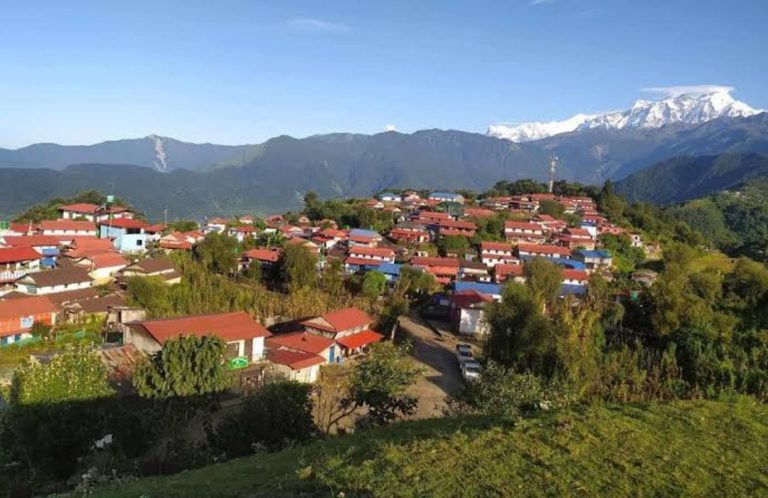
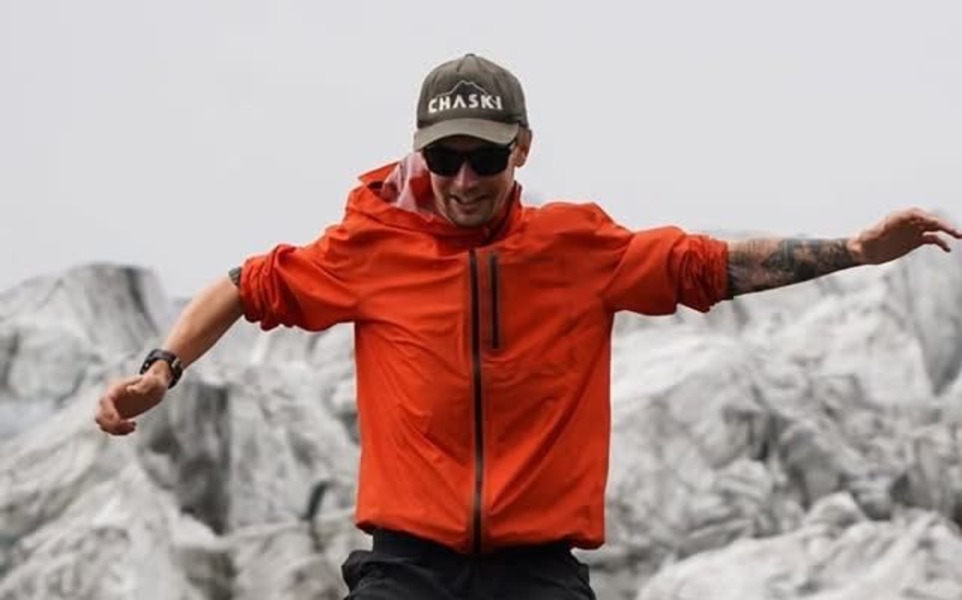
The Everest region is internationally recognised for trekking, mountaineering and high-altitude adventure activities. Its dramatic Himalayan scenery, established trekking routes and challenging terrain attract climbers, trekkers, trail runners and endurance athletes from around the world. Achievements such as Tyler Andrews’ reported run can bring additional international attention to the Khumbu region and highlight opportunities to diversify Nepal’s adventure tourism offerings.
Beyond traditional trekking and mountaineering, mountain running and endurance challenges could help attract specialised visitors interested in testing their abilities on Himalayan trails. The region’s continued appeal also underscores the importance of responsible adventure tourism, appropriate preparation and awareness of high-altitude risks. Verification of the latest fastest-known-time achievement, including its final recorded time and applicable record category, remains essential to accurately documenting Andrews’ performance.