Major U.S. airlines are facing growing financial pressure as global oil prices continue to surge, pushing jet fuel costs sharply higher. The spike in fuel prices, driven largely by geopolitical tensions in the Middle East, has created a challenging environment for the global aviation industry. However, a few leading carriers, including Delta Air Lines, United Airlines, and Southwest Airlines, appear better positioned than many of their competitors to navigate the crisis.
Airlines around the world are grappling with the rising cost of jet fuel, which typically accounts for nearly 20 percent of an airline’s operating expenses. As oil prices rise, the cost of aviation fuel follows closely, squeezing airline profit margins and forcing many carriers to reconsider their pricing strategies and operational costs.

While several companies are expected to face financial losses if fuel prices remain high, Delta, United, and Southwest have implemented strategies that could help them remain profitable even during the current turbulent period.
Geopolitical Tensions Drive Oil Prices Higher
The sharp increase in global oil prices has been linked to escalating geopolitical tensions involving the United States, Israel, and Iran. The situation intensified following a joint military operation launched by the United States and Israel against Iran beginning on February 28.
In response, Iran has reportedly taken retaliatory measures, including threats to disrupt major shipping routes in the Strait of Hormuz, one of the world’s most important oil transit chokepoints. More than 20 percent of the global oil supply passes through this narrow waterway, meaning any disruption can quickly influence international energy markets.
As tensions escalate and uncertainty continues, oil prices have surged globally. The cost of jet fuel has climbed to over $4.00 per gallon, representing nearly a 60 percent increase from approximately $2.50 per gallon before the military operations began. This dramatic rise has placed airlines under significant financial pressure, particularly as they prepare for the busy summer travel season in the United States.
Summer Travel Season Faces Higher Costs
The summer months traditionally mark the peak travel season in the United States, when millions of passengers take domestic and international flights for vacations and business trips. Airlines typically expect higher passenger demand during this period, which often translates into increased revenue. However, the surge in fuel prices threatens to offset these gains. Many airlines are now warning passengers that higher operational costs may lead to increased airfares in the coming months.
Industry analysts say airlines may have little choice but to pass some of the additional costs on to consumers to maintain financial stability. As a result, travelers may experience higher ticket prices for flights during the peak summer season.
Delta and United Benefit from Premium Market Strategy
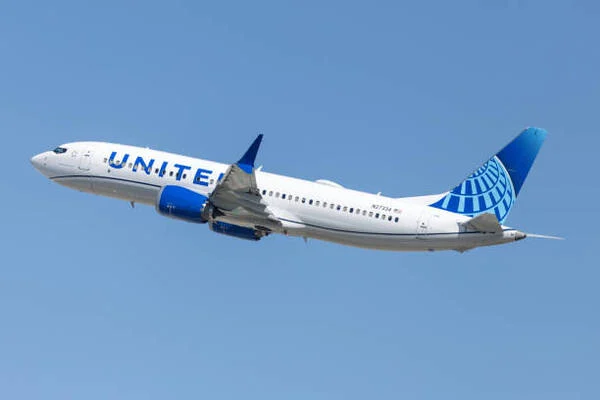
Among the major U.S. airlines, Delta Air Lines and United Airlines appear to be particularly well-positioned to manage the current crisis. Both carriers have successfully built strong reputations as premium airlines, attracting higher-income travelers who are generally less sensitive to ticket price increases.
This premium customer base allows the airlines to maintain higher profit margins, even when operational costs rise. Because these passengers are often willing to pay more for comfort, reliability, and premium services, Delta and United can pass on some of the increased fuel costs without significantly reducing demand.
In addition, both airlines have diversified their operations and expanded global networks over the years. Their strong brand recognition, extensive route networks, and broader revenue streams provide an additional financial cushion during periods of economic uncertainty.
Southwest Uses Fuel Hedging to Limit Risks
While Delta and United rely heavily on premium market positioning, Southwest Airlines has adopted a different strategy to protect itself from volatile fuel prices. Southwest has long used fuel hedging, a financial strategy that allows airlines to lock in fuel prices in advance through instruments such as futures contracts, options, and swaps. By securing fuel supplies at predetermined prices, the airline can shield itself from sudden market spikes.
This approach has historically allowed Southwest to maintain relatively stable operating costs even during periods of rising oil prices. Although hedging does not eliminate all risks, it provides the airline with greater predictability in fuel expenses compared to competitors that rely entirely on market prices. As a result, Southwest is also expected to remain profitable despite the current surge in fuel costs, though its profit margins may be smaller than those of premium carriers.
Challenging Outlook for Other Airlines
For many other U.S. airlines, the outlook appears far less optimistic. Carriers that rely heavily on budget-conscious travelers may struggle to cope with rising fuel costs, particularly if higher ticket prices discourage demand.
Low-cost airlines often operate on thin profit margins, leaving them vulnerable when major expenses, such as fuel, rise dramatically. Without strong hedging strategies or a premium customer base, these airlines may find it difficult to pass on the full cost increase to passengers. Industry analysts warn that if oil prices remain elevated for an extended period, several airlines could face significant financial losses in the months ahead.

Industry Faces Uncertain Future
The current situation highlights the close connection between global geopolitics and the aviation industry. Airlines are particularly sensitive to fluctuations in fuel prices, which can quickly alter profitability across the sector.
As the summer travel season approaches, passengers may notice rising ticket prices as airlines attempt to offset the higher cost of jet fuel. While a few major carriers appear capable of weathering the storm, the broader airline industry faces a period of uncertainty. For now, the ability of airlines to survive this challenging environment will largely depend on their financial resilience, operational strategies, and capacity to adapt to rapidly changing global conditions.