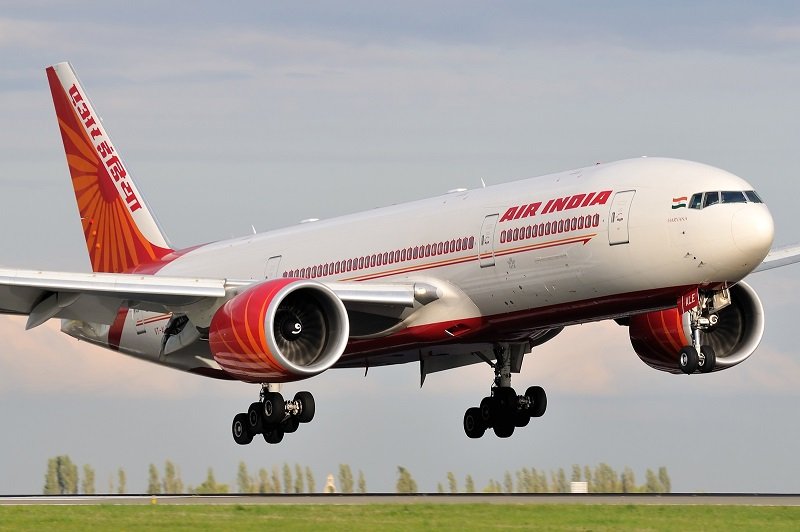
Several flights operated by Air India Express to major airports in the United Arab Emirates were cancelled on March 15, causing significant disruption for travelers heading to the Gulf region. The affected routes included flights to Dubai, Sharjah, and Abu Dhabi, three of the busiest destinations for South Asian passengers.
The airline stated that the cancellations were due to unforeseen circumstances, although it did not provide detailed explanations regarding the exact cause of the disruption. The sudden decision has left thousands of passengers scrambling to adjust their travel plans, particularly those with connecting flights or urgent travel commitments. The disruption highlights how vulnerable international air travel can be to operational challenges, especially on high-demand routes linking South Asia and the Gulf region.

Passengers Face Delays and Uncertainty
The cancellations have created considerable inconvenience for travelers who had planned to fly on the affected routes. Many passengers have been forced to seek alternative flights or postpone their travel, while others are facing delays due to limited seat availability on other services.
For passengers traveling for work, family visits, or transit connections, the sudden change has caused logistical difficulties. Travelers who were expecting to connect to other international destinations through UAE hubs may now face missed connections and additional expenses.
Air India Express has said it is working to assist affected passengers by offering rebooking options or refunds where possible. However, the airline acknowledged that accommodating all travelers immediately may be challenging due to the high demand for flights between India and the UAE.
Possible Operational Challenges
Although the airline has not confirmed the precise reason for the cancellations, industry observers suggest that several operational factors could be responsible. These may include air traffic control restrictions, technical maintenance issues, or operational scheduling challenges.
Airlines frequently face such challenges, especially during peak travel periods when aircraft utilization is high and airport operations are congested. Even minor technical issues or regulatory restrictions can sometimes lead to the cancellation of multiple flights within a short time. The UAE is one of the world’s busiest aviation hubs, and disruptions on routes serving the region can quickly affect thousands of travelers.
Importance of the UAE Air Travel Market
The UAE plays a crucial role in regional and global aviation. Cities such as Dubai, Sharjah, and Abu Dhabi serve as major transit points connecting Asia, Europe, Africa, and the Middle East.
For Air India Express, these destinations are particularly important because the airline operates a low-cost model that caters primarily to migrant workers, budget travelers, and short-haul passengers traveling between India and the Gulf region.
The airline’s affordable fares have made it a popular choice for passengers traveling to the UAE, where millions of South Asian workers and professionals live and work. However, maintaining reliable schedules on these busy routes can be challenging, especially when airlines operate tight flight rotations and face operational constraints.
Competition in the Crowded Aviation Market of Air India
Air India Express operates in a highly competitive aviation market in the Gulf region. Major carriers such as Emirates, Air Arabia, and Flydubai also run extensive flight networks connecting the UAE with destinations across Asia and beyond.
In such a competitive environment, service disruptions and cancellations can affect an airline’s reputation among travelers. Maintaining operational reliability and effective communication with passengers is therefore critical for airlines operating in the region.
Role of Travel Insurance During Disruptions
The incident also underscores the importance of travel insurance for passengers. Flight cancellations and delays can result in unexpected expenses, including additional accommodation, meals, and transportation.
Many travel insurance policies provide coverage for such disruptions, offering compensation for cancelled flights, long delays, or missed connections. Experts often recommend that travelers consider purchasing insurance when flying on busy international routes where disruptions may occur.
Looking Ahead: Improving Communication and Preparedness
Industry analysts suggest that airlines can minimize the impact of such disruptions by improving communication with passengers. Early notifications about possible delays or cancellations can help travelers adjust their plans in advance and reduce last-minute inconvenience.

Air India Express may also consider strengthening operational resilience through better maintenance planning, coordination with aviation authorities, and partnerships with other airlines that could provide alternative travel options during disruptions.
Broader Impact on Regional Travel
While Air India has promised to assist affected passengers with rebooking and refunds, the cancellations have once again highlighted the complexities of modern air travel. Even a short-term disruption can create ripple effects across multiple airports, affecting passengers, tourism activities, and business travel. As international travel demand continues to grow, Air India will need to balance operational efficiency with reliability to maintain passenger confidence in an increasingly competitive global aviation industry.