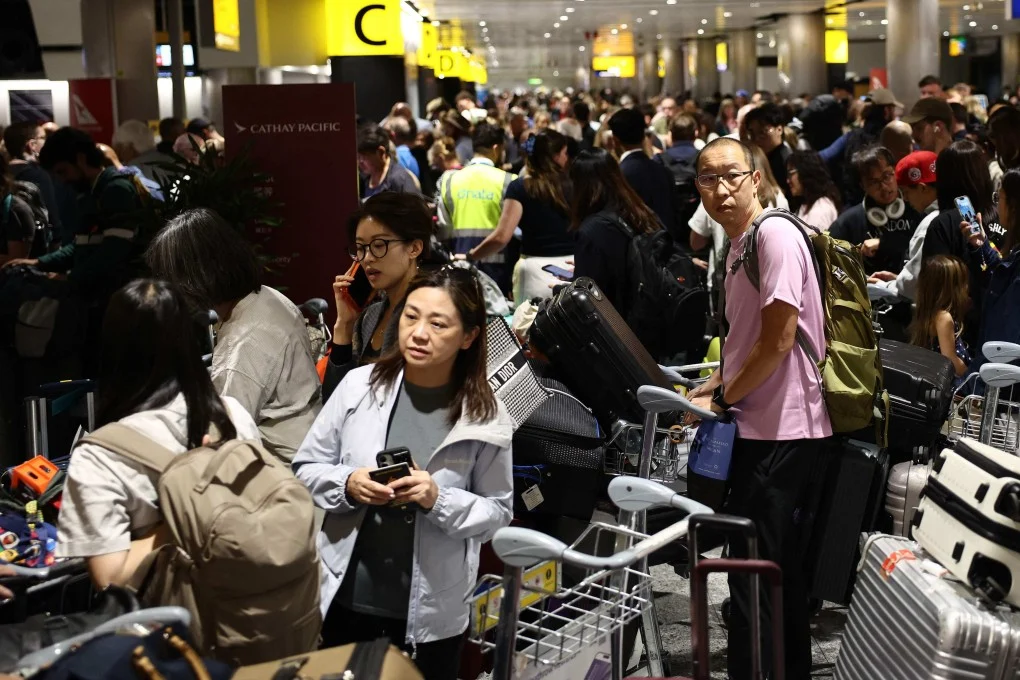
Travellers across the United Kingdom (UK) faced another day of severe disruption on Wednesday as a technical problem affecting the country’s air traffic control system continued to reverberate through the aviation network, leaving passengers facing flight cancellations, delays and uncertainty at major airports. Flight-tracking website Flight Radar24 reported that 177 flights scheduled for Wednesday had already been cancelled, adding to approximately 1,300 flights cancelled to and from UK airports the previous day.
The disruption was concentrated heavily at London’s Heathrow Airport, Britain’s busiest aviation hub, where the effects of the system failure continued to disrupt normal operations. Although authorities said efforts were under way to restore the network and clear the accumulated backlog, the scale of the disruption meant that passengers were still being warned to expect further changes to their journeys.

Heathrow Becomes The Epicentre Of A Growing Aviation Disruption in UK
London Heathrow was at the centre of the latest wave of disruption, with FlightRadar24 reporting that nearly all of the newly cancelled Wednesday flights were linked to the airport. The situation followed a technical problem within the National Air Traffic Services (NATS) system, which temporarily affected the movement of aircraft through the UK’s aviation network. Heathrow said departures had resumed after the technical issue forced the airport to suspend arrivals, but stressed that the restoration of normal services would not happen immediately because of the backlog created during the disruption.
NATS acknowledged that the recovery process was complex and said the system problem had created difficulties across the wider aviation network. The organisation apologised to affected passengers and said it was working to clear the backlog as quickly as possible, while Heathrow urged travellers to check the latest information with their airlines before setting out for the airport.
Thousands Of Passengers Caught In The Knock-On Effect
The impact extended well beyond individual cancelled flights, with airlines warning that the disruption had affected tens of thousands of passengers and could continue to cause problems even after the original technical fault had been resolved. British Airways said the cancellations had created a significant knock-on effect for its customers, as aircraft and crews were left out of position and subsequent services were affected by the disruption. Ryanair reported that more than 65,000 of its passengers had been disrupted and that it had cancelled more than 50 flights as a result of the problems.
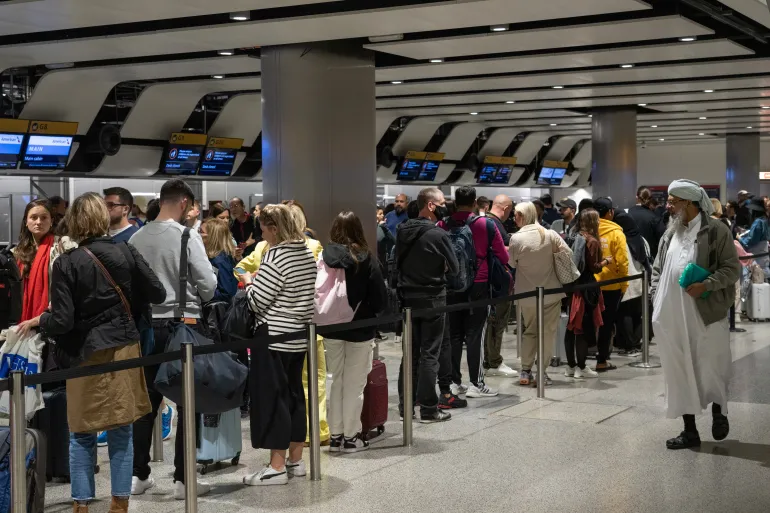
Other UK airports, including Gatwick, Liverpool, Birmingham and Edinburgh, also experienced disruption, while Dublin Airport in Ireland reported dozens of cancellations as the effects spread across the wider regional aviation network. For travellers, the consequences included missed connections, prolonged waits, rearranged flights and uncertainty over when they would finally reach their destinations.
Pressure Mounts On NATS As Government Demands Answers
The continuing disruption has also intensified scrutiny of Britain’s air traffic control system and placed growing pressure on NATS chief executive Martin Rolfe. Rolfe said he accepted full responsibility for the incident but declined to say whether he was considering stepping down from his position. UK Transport Secretary Heidi Alexander was due to meet Rolfe on Wednesday as the government sought assurances that the causes of the latest failure would be properly examined and that the systems supporting the country’s aviation network were capable of handling future demands. Alexander had earlier said that lessons needed to be learned from the incident and that the infrastructure underpinning the aviation sector had to be reliable.
Meanwhile, Ryanair chief operating officer Neal McMahon renewed his criticism of NATS leadership and called for government intervention, arguing that the latest disruption had once again left UK travellers paying the price for problems within the aviation system.

Passengers Describe A Travel Nightmare As Disruption Spreads
For passengers caught in the disruption, the technical failure quickly turned routine journeys into lengthy and exhausting ordeals, with some travellers spending hours waiting on aircraft or attempting to navigate overcrowded airports. Healthcare worker Josie Donoghue described her experience at Gatwick Airport after her flight to Ireland remained stuck on the runway for around three hours before passengers were required to disembark. Her experience reflected the frustration faced by travellers across the country as airports struggled to process passengers affected by cancellations and delays.
The incident has also raised renewed concerns about the resilience of Britain’s aviation infrastructure, particularly because it follows previous failures that have caused significant disruption. A technical problem in July last year resulted in numerous UK flight cancellations, while a major air traffic systems failure in 2023 affected more than 700,000 passengers through widespread delays and cancellations. The latest breakdown has therefore placed fresh attention on whether sufficient safeguards are in place to prevent a technical problem from once again developing into a nationwide aviation crisis.