The Ministry of Culture, Tourism and Civil Aviation, in collaboration with the United Nations Educational, Scientific and Cultural Organization (UNESCO) Kathmandu, has initiated the process of documenting and listing the intangible cultural heritage of Khumbu Pasang Lhyamu Rural Municipality-5, Thame in Solukhumbu district. The initiative aims to preserve the rich cultural traditions of the Himalayan region, particularly those of the Sherpa community, while strengthening heritage protection systems in Nepal.
Post-Disaster Study Led by UNESCO
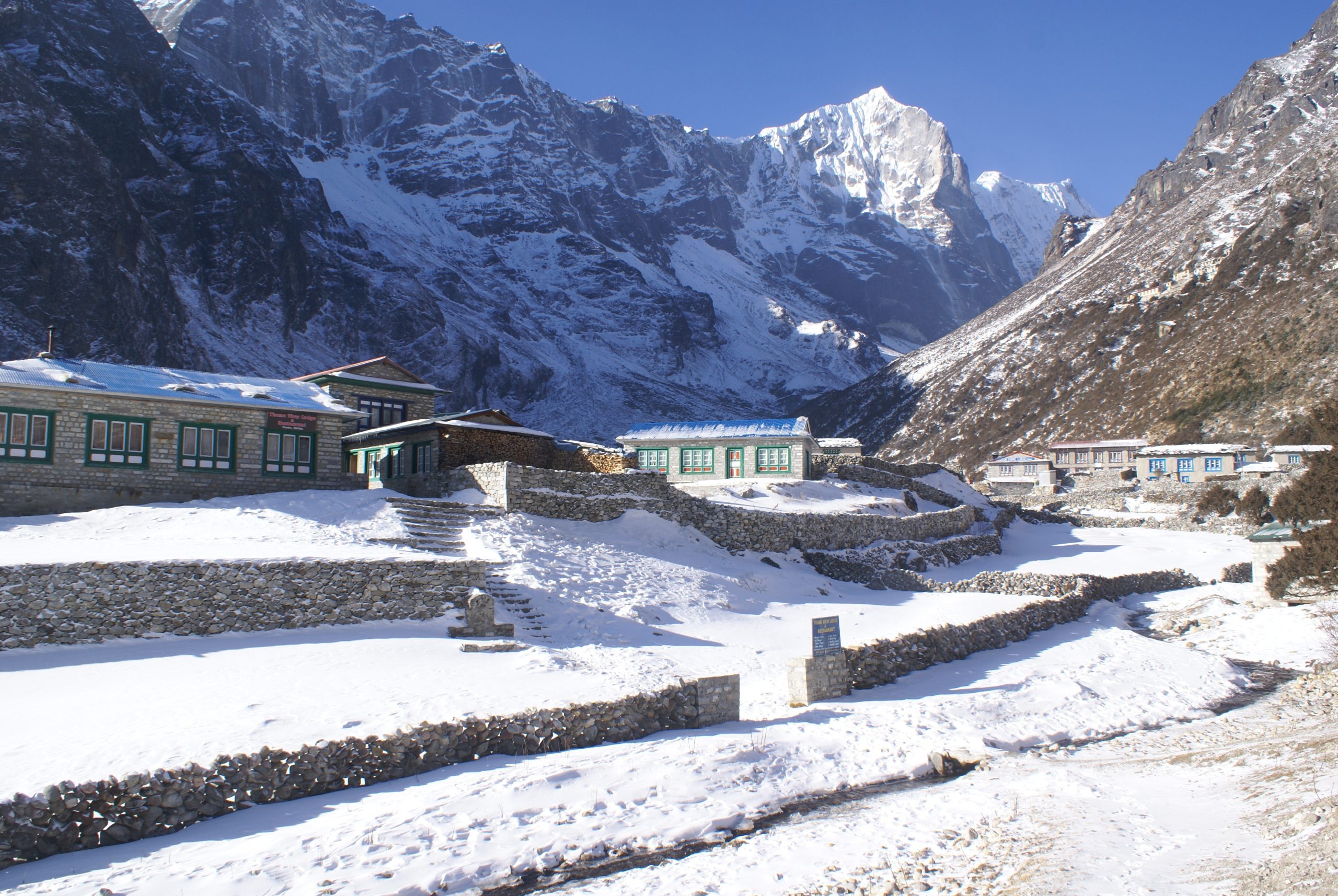
Following the avalanche-triggered flooding that struck Thame on 17 August 2023, which caused significant damage to settlements and property, UNESCO Kathmandu designed a special study project for the region. A team of experts and researchers was deployed to assess the cultural and social impacts of the disaster while identifying intangible heritage elements at risk.

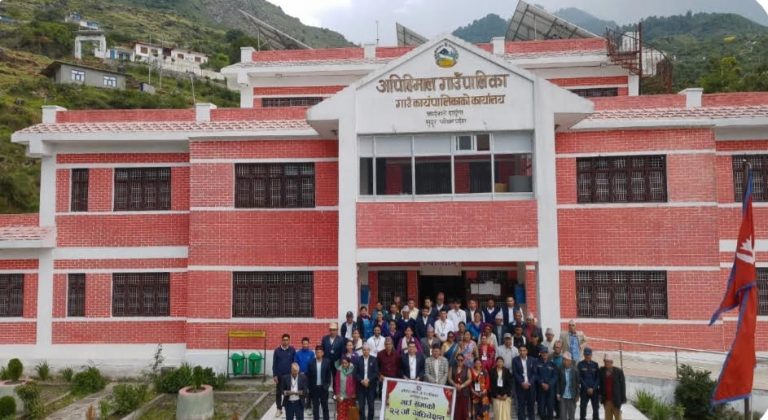
The findings of this community-based study were presented during a discussion programme held in Nagarkot, Bhaktapur. The programme highlighted the importance of documenting cultural traditions that are closely tied to the identity and livelihood of local communities in high-altitude regions.
Diverse Cultural Heritage Elements Identified
Researcher Dr. Nilkamal Chapagain shared that the ongoing listing process includes a wide range of intangible cultural elements. These include traditional culinary practices such as potato bread, sorkim, tho, and rildom (various potato-based dishes), which are deeply rooted in the local diet and agricultural practices of the region.
In addition to food culture, the study has also identified major festivals, rituals, and customs such as Mani Rimdu, Dumji, Lhosar, Chechu, Chirim, and Bidai rituals. These cultural practices play a central role in maintaining social cohesion, spiritual identity, and intergenerational knowledge transfer within the Sherpa community. Dr. Chapagain emphasized that the protection of living cultural heritage is essential, noting that further comprehensive studies could expand the list of documented traditions in the future.
Government Commitment to UNESCO Framework
Speaking at the programme, Dr. Suresh Suraj Shrestha, Under-Secretary at the Ministry, stated that the government has begun systematic documentation of intangible cultural heritage in line with UNESCO headquarters’ guidelines. He added that a nationwide campaign has been launched to identify and record intangible heritage across all seven provinces of Nepal to shortlist in UNESCO.

He also highlighted Nepal’s commitment to the UNESCO Convention for the Safeguarding of the Intangible Cultural Heritage, which was adopted by the United Nations General Assembly on 17 October 2003 and ratified by Nepal in 2010. The initiative reflects Nepal’s long-term effort to align national cultural policies with international standards.
Focus on Sherpa Community Heritage
UNESCO representative Yako Du Toit noted that the study has been conducted with a special focus on the Sherpa community residing in the Himalayan region. She stated that the final documentation will be published after incorporating feedback and suggestions from relevant stakeholders, ensuring that community voices remain central to the process. Du Toit also emphasized the importance of safeguarding intangible heritage in the face of climate-related risks and natural disasters, which are increasingly affecting remote mountain communities.
Climate Change and Glacial Lake Concerns
During the programme, Archana Shrestha, Director General of the Department of Hydrology and Meteorology, highlighted growing environmental challenges in Nepal’s Himalayan region. She informed that four glacial lakes have already formed in the country and warned that such developments significantly impact the lives and livelihoods of local communities. She stressed the need for early awareness systems and preparedness measures to mitigate risks associated with glacial lake outburst floods and other climate-induced disasters.
Community Role in Heritage Conservation
Sushma Rana, Chief Conservation Officer at Sagarmatha National Park, shared that the Sherpa community has shown strong commitment to preserving cultural heritage. She noted that local participation is crucial for successful conservation efforts, especially in ecologically sensitive and culturally rich mountain regions. Her remarks highlighted the importance of integrating indigenous knowledge systems with formal conservation strategies.

Legal and Policy Framework Strengthened
To support the protection and documentation of intangible cultural heritage, the Ministry has prepared the Intangible Cultural Heritage (Listing and Management) Procedure 2081. The related bill has recently been passed by the National Assembly, providing a stronger legal foundation for heritage preservation efforts in Nepal. Officials believe that the new framework will help institutionalize heritage documentation and ensure long-term safeguarding of cultural traditions across the country.
Preserving Heritage Amid Change
The ongoing initiative in Thame represents a significant step toward preserving Nepal’s intangible cultural heritage, particularly in vulnerable Himalayan communities. By combining international cooperation, community participation, and national policy support, the project aims to protect cultural identity while addressing emerging environmental challenges in the region.