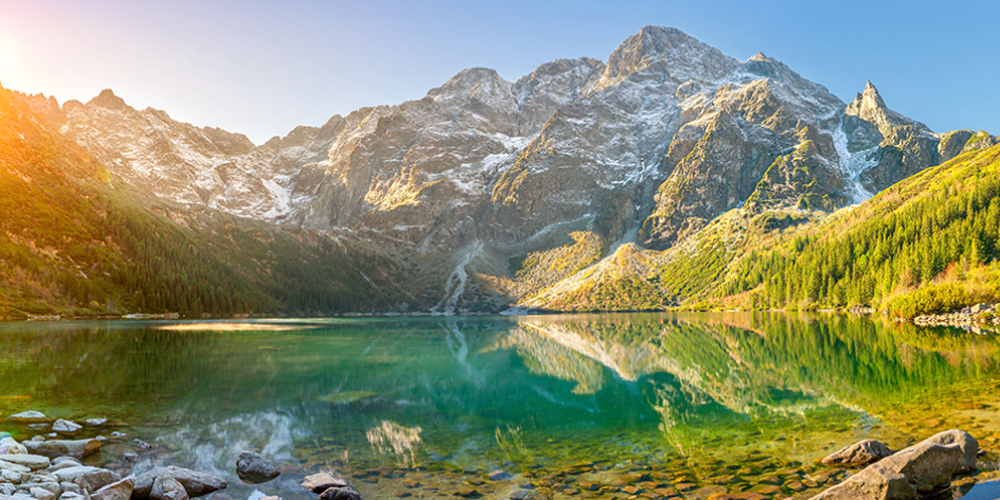
For the first time in history, World Lake Day is being observed globally today, August 27, 2025. This day, designated by the United Nations under Resolution A/RES/79/142, aims to highlight the crucial role lakes play in sustaining life and the urgent need to protect and restore these fragile ecosystems. According to UN reports, there are over 117 million lakes on Earth, covering approximately four percent of the planet’s land surface. These lakes are indispensable sources of freshwater, supporting biodiversity, agriculture, energy production, and human well-being.
Declining Lake Health: A Global Concern
Despite their importance, the quality of lake water worldwide has been deteriorating at an alarming pace. “If we continue to put pressure on them, lakes will face a serious decline. By 2050, their ecosystem value could drop by 20 percent; pollution could more than double, and methane emissions may surge, fueling both environmental damage and economic loss. Freshwater species have declined by 85 percent over the past 50 years,” the UN noted on its official page. Scientists and environmentalists warn that uncontrolled pollution, urbanization, and climate change are threatening the survival of lakes, which could have irreversible consequences on the planet’s water security.
The UN Environment Programme, the leading agency overseeing the observance of World Lake Day, emphasizes that lakes are not isolated ecosystems. They are closely linked to energy, food security, human nutrition, and overall health. Freshwater is fundamental for achieving Sustainable Development Goals (SDGs) and ensuring sustainable human development.
Major Threats to Lakes
The UN’s SDG Knowledge Hub identifies several key threats affecting lake ecosystems worldwide. Contaminants from industrial and domestic sources, agricultural fertilizers, and solid waste are major pollutants reducing water quality. Climate change, including rising temperatures and changing cloud patterns, is causing fluctuations in lake water levels, further destabilizing aquatic ecosystems. Methane emissions from polluted lakes are also contributing to global warming, creating a feedback loop that accelerates environmental damage.
Importance of Public Awareness and Global Initiatives
World Lake Day is not merely a symbolic observance, it is an opportunity to educate the public about the vital role lakes play in environmental, social, and economic systems. By promoting lake conservation, restoration, and sustainable management, governments, communities, and individuals can contribute to safeguarding these critical water resources. The observance encourages initiatives such as reducing waste disposal in lakes, implementing eco-friendly agriculture near water bodies, and monitoring water quality regularly.
Nepal’s Lakes: Treasures at Risk
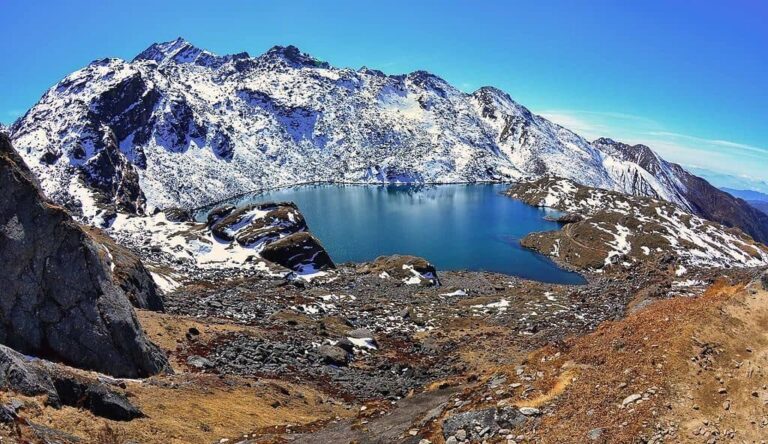
Nepal, with its rich network of lakes scattered across its mountainous and plains regions, stands at the forefront of global freshwater conservation challenges. Lakes such as Rara, Phewa, Rupa, Begnas, and Gosaikunda are not only vital for drinking water, irrigation, and fisheries but also attract tourists, supporting local economies. For instance, Phewa Lake in Pokhara is a major tourism hub, offering boating, cultural festivals, and scenic views of the Annapurna range.
However, these lakes are increasingly threatened by urban expansion, solid waste, untreated sewage, and climate change. Phewa and Rupa lakes have reported growing concerns over eutrophication, nutrient overload leading to excessive algae growth, which disrupts aquatic life and reduces water quality. Similarly, Rara Lake in the far west, one of Nepal’s largest freshwater bodies, faces pressure from tourism and unregulated development in surrounding areas. Experts warn that without immediate action, these natural treasures could face irreversible damage, jeopardizing both biodiversity and livelihoods dependent on them.
Steps Toward Preservation in Nepal
In alignment with global initiatives, Nepal has been taking steps to preserve its lakes. Local governments, environmental agencies, and community groups are engaging in awareness campaigns, promoting responsible tourism, and implementing lake restoration projects. Efforts include cleaning initiatives, planting vegetation along lake peripheries to reduce soil erosion, and restricting unplanned construction. Programs such as the ‘Integrated Lake Management’ plan, supported by national and international agencies, aim to monitor water quality, manage fisheries sustainably, and promote eco-friendly practices among local residents and visitors.
The Road Ahead
The first global observation of World Lake Day underscores the urgency of safeguarding freshwater ecosystems. Lakes are not just scenic landscapes, they are life-supporting systems crucial for food, water, climate regulation, and human well-being. By drawing attention to declining water quality, pollution, and climate impacts, the observance calls on governments, communities, and individuals to take responsibility.
In Nepal, where lakes are intertwined with culture, tourism, and daily life, the message is clear: conservation cannot be delayed. Sustainable lake management, community participation, and stricter regulations on pollution are essential to ensure that future generations inherit thriving lakes rather than degraded waters. As the world comes together today to celebrate and protect lakes, Nepal’s freshwater ecosystems stand as both a responsibility and a beacon of hope for effective conservation.
World Lake Day 2025 serves as a reminder of the vital importance of lakes globally and within Nepal. Protecting these natural resources is no longer optional; it is imperative for ecological balance, economic stability, and human survival. The UN’s initiative highlights the need for integrated action, while Nepal’s lakes offer a real-world example of both the beauty and vulnerability of freshwater ecosystems. By committing to sustainable practices, reducing pollution, and fostering community engagement, the world can ensure that lakes remain vibrant sources of life for decades to come.