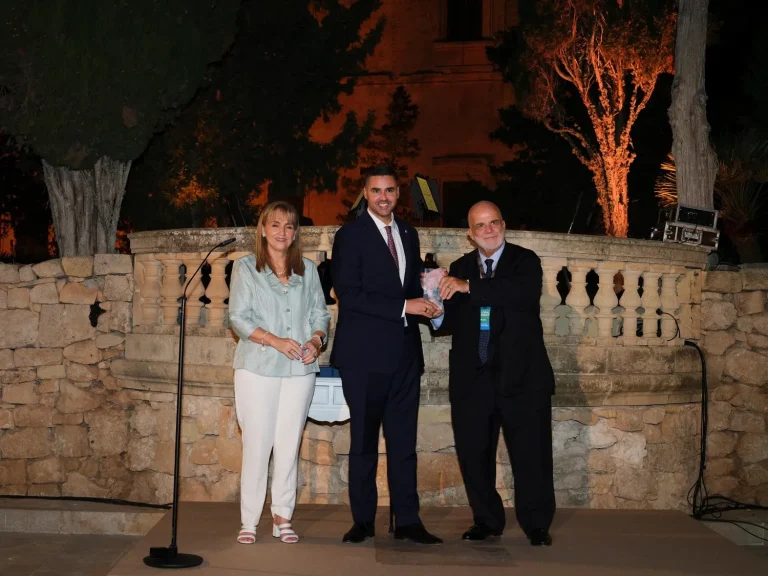
Europe’s Travel & Tourism sector could strengthen its global competitiveness and capture a larger share of the industry’s growth over the next decade by implementing eight strategic priorities, according to a new report released by the World Travel & Tourism Council (WTTC) at its 26th Global Summit in Valletta, Malta.
The report, titled Travel & Tourism in Europe: A Deep Dive Into Growth, Outlook and Policy, examines the sector’s economic contribution, employment, visitor spending, investment and long-term growth prospects. It also reviews existing policies across the European Union (EU) and the wider region, offering recommendations to improve competitiveness, attract investment and support sustainable tourism development. The eight priorities align with the strategic agenda endorsed by WTTC’s Executive Council, reflecting the key growth and investment concerns identified by the global private sector.
Europe’s Tourism Sector Contributes Nearly US$3 Trillion to GDP
According to the report, Travel & Tourism contributed nearly US$3 trillion to Europe’s gross domestic product (GDP) in 2025, accounting for 9.4% of the region’s economy. The sector also supported 40.7 million jobs, representing approximately one in every ten jobs across Europe. Countries outside the European Union contributed US$834 billion to the sector’s economic output, accounting for more than a quarter of the regional total. The United Kingdom remained Europe’s second-largest Travel & Tourism economy after Germany.

The sector is forecast to grow by 3.1% in 2026, significantly exceeding the projected 1.1% growth of the wider European economy. Europe also maintained its position as the world’s leading region for international tourism, recording 757.3 million international overnight arrivals in 2025, equivalent to 49.1% of the global total. International visitor spending reached US$835 billion, representing 41% of worldwide spending.
WTTC Calls for Eight Strategic Priorities
The report identifies eight areas where coordinated government and private-sector action could help Europe strengthen its tourism performance and prepare for future growth.
1. Make Travel More Secure and Seamless
WTTC has called for faster and more convenient travel procedures, including accelerated digital Schengen visas, wider use of multiple-entry visas and the introduction of an EU-wide trusted traveller programme. According to the report, Schengen countries issued 5.3 million multiple-entry visas in 2025, 40% fewer than in 2019. Their share of all visas issued also declined from 59% to 51.7%. The council has also recommended reciprocal recognition of trusted traveller programmes, such as the United States’ Global Entry, and a practical framework for biometric identification at EU airports.
2. Diversify International Visitor Markets
WTTC has urged European destinations to reduce their reliance on regional travel by attracting more visitors from long-haul markets, particularly Asia-Pacific. In 2025, 74.3% of international arrivals to Europe originated within the region. The report states that, when intra-European travel is excluded, the region’s travel trade balance shifts from a US$33.9 billion surplus to a deficit of approximately US$45 billion, as Europeans spend more on trips outside the region than visitors from elsewhere spend in Europe.
Arrivals from Asia-Pacific remain below pre-pandemic levels. Arrivals from China were 43.2% below 2019 levels, while those from Japan and South Korea were approximately 30% lower. WTTC recommends public-private marketing partnerships in long-haul markets, stable tourism promotion budgets, improved visa access and targets that focus on visitor spending and market diversity rather than arrival numbers alone.
3. Increase Investment in Travel & Tourism
Investment in Europe’s Travel & Tourism sector reached US$259 billion in 2025, an annual increase of 7.1%. However, it remained 3.6% below the 2019 level. The figure also trailed investment in Asia-Pacific, which reached US$395 billion, and North America, at US$273 billion.
WTTC has called for Travel & Tourism to be recognised as a strategic economic sector under the EU’s 2028–2034 Multiannual Financial Framework. It recommends direct access to EU investment instruments, greater regulatory stability, legal certainty and improved financing opportunities for small and medium-sized enterprises.
4. Advance Sustainable Tourism Development
The report highlights the need to reduce tourism’s environmental impact while preparing destinations for climate-related challenges. Travel & Tourism accounted for 6.3% of Europe’s greenhouse gas emissions in 2024, although emissions intensity declined by 14.8% between 2019 and 2024.
Mediterranean destinations accounted for 52.2% of Europe’s international visitor spending, making climate adaptation particularly important in areas increasingly exposed to heat and water stress. WTTC recommends investment in water and waste management, nature conservation, climate resilience and more sustainable aviation and maritime fuels. It also stresses the importance of improving physical and digital accessibility for travellers.
5. Strengthen Destination Management
International overnight arrivals to Europe are forecast to increase from 757.3 million in 2025 to 1.14 billion by 2036. To manage this growth, WTTC recommends integrating tourism planning with housing, transport, and local public services. It also calls for a shift from visitor-volume targets towards value-based approaches that consider tourism spending and benefits to local communities. The report encourages destinations to use data-driven tools to distribute visitors more evenly across locations and seasons. It also recommends transparent visitor levies, with revenues specifically allocated to destination management.
6. Develop Tourism Skills and Attract Workers
WTTC has identified workforce shortages as a major challenge for Europe’s tourism industry. The sector is an important employer of young people, who account for 13.1% of its direct workforce, compared with 8.3% across the wider economy. However, demand for workers is projected to exceed supply in several countries. By 2035, Germany’s tourism workforce could fall 26% short of demand, while Greece could face a 27% shortfall. To address the gap, WTTC recommends expanding apprenticeship programmes, improving skills recognition through the Hospitality and Tourism Skills Passport, and completing negotiations on the proposed UK-EU Youth Experience Scheme.
7. Accelerate Artificial Intelligence Adoption
The report identifies artificial intelligence (AI) as an opportunity to improve tourism competitiveness, strengthen business resilience and help destinations respond to changing traveller needs. WTTC recommends targeted support to help tourism businesses, particularly small and medium-sized enterprises, adopt AI and other digital technologies. Suggested measures include grants, professional training, expert advice, and access to shared digital tools. It also calls for AI regulation that remains transparent, proportionate, and human-centred, allowing innovation while protecting travellers and ensuring tourism growth benefits a wider range of businesses and communities.
8. Expand Transport Connectivity
WTTC has stressed the importance of stronger air, rail, maritime, and road connections to support tourism growth and diversify visitor markets. Improved connectivity is particularly important for islands, rural destinations and peripheral regions that have limited transport options. Better links can help distribute tourism spending, support year-round employment and reduce pressure on popular destinations during peak seasons.
The council recommends integrated ticketing across transport systems and borders, interoperable travel information, accessible booking platforms and practical measures to reduce transport emissions while protecting essential air links to destinations with few alternatives.
EU Policy Developments Create an Opportunity
The report comes as European countries introduce national tourism strategies and the European Commission prepares the EU’s first dedicated tourism strategy. Negotiations are also continuing over the bloc’s 2028–2034 Multiannual Financial Framework. WTTC said the forthcoming EU Sustainable Tourism Strategy, a European Parliament resolution adopted in April 2026, and Council conclusions from May 2026 provide an opportunity to position Travel & Tourism more prominently within Europe’s economic competitiveness agenda. The Council has called for stronger public-private collaboration, increased investment, improved connectivity, and proportionate regulation to support the sector’s long-term development.

Europe’s Tourism Economy Expected to Reach US$3.8 Trillion by 2036
Germany remained Europe’s largest Travel & Tourism economy in 2025, with a contribution of US$566 billion to GDP. It was followed by the United Kingdom at US$380 billion, France at US$312 billion and Spain at US$291 billion. Spain led the region in international visitor spending, generating US$130 billion. Spending per visitor within the destination reached US$796, approximately 1.7 times the European average.
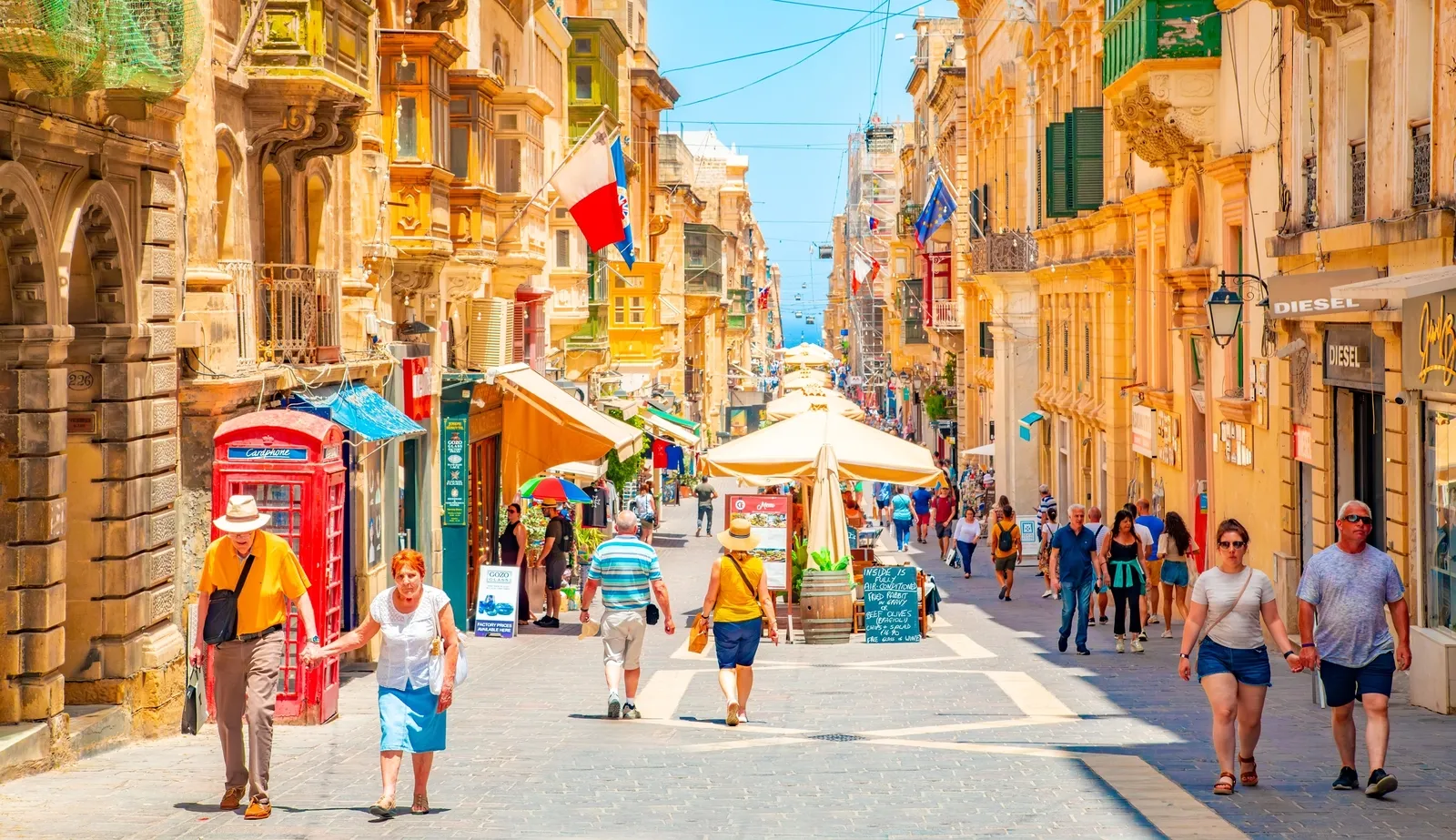
Malta, the host of WTTC’s 26th Global Summit, also recorded strong tourism performance. Travel & Tourism contributed US$4.6 billion to its economy in 2025, equivalent to 16.6% of GDP, and supported one in five jobs. The sector’s contribution grew by 16.8%, compared with 4% growth across the wider economy. International visitor spending reached US$3.9 billion, 47.5% above the 2019 level.
Looking ahead, Europe’s Travel & Tourism contribution to GDP is projected to grow at an annualised rate of 2.2%, reaching US$3.8 trillion by 2036. The sector is also forecast to support more than 50 million jobs, 8.3 million more than projected for 2026. WTTC said coordinated action on travel facilitation, investment, sustainability, skills, technology, and connectivity will be important in helping Europe translate its tourism potential into long-term economic benefits. The report’s Economic Impact Research is produced in partnership with Oxford Economics and Chase Travel, WTTC’s lead research partner.