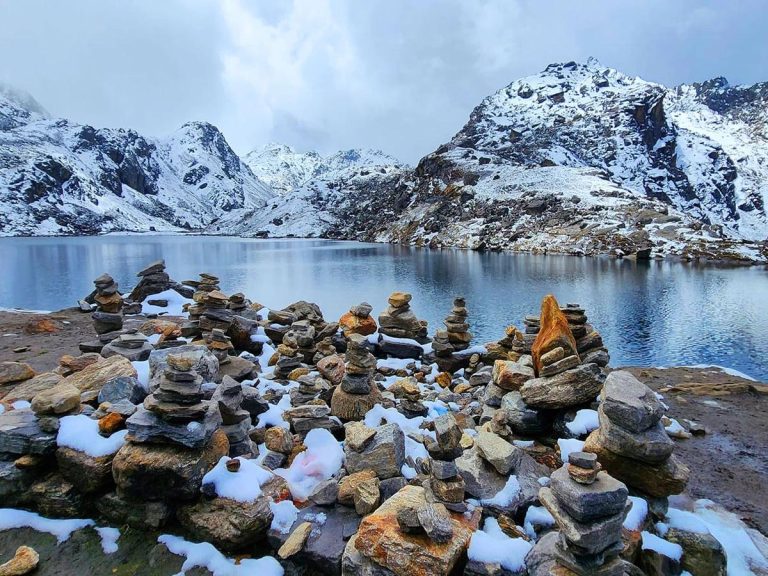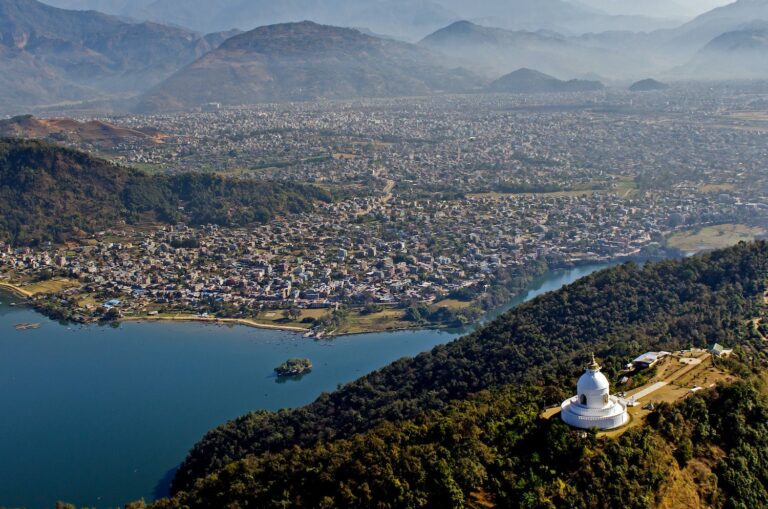
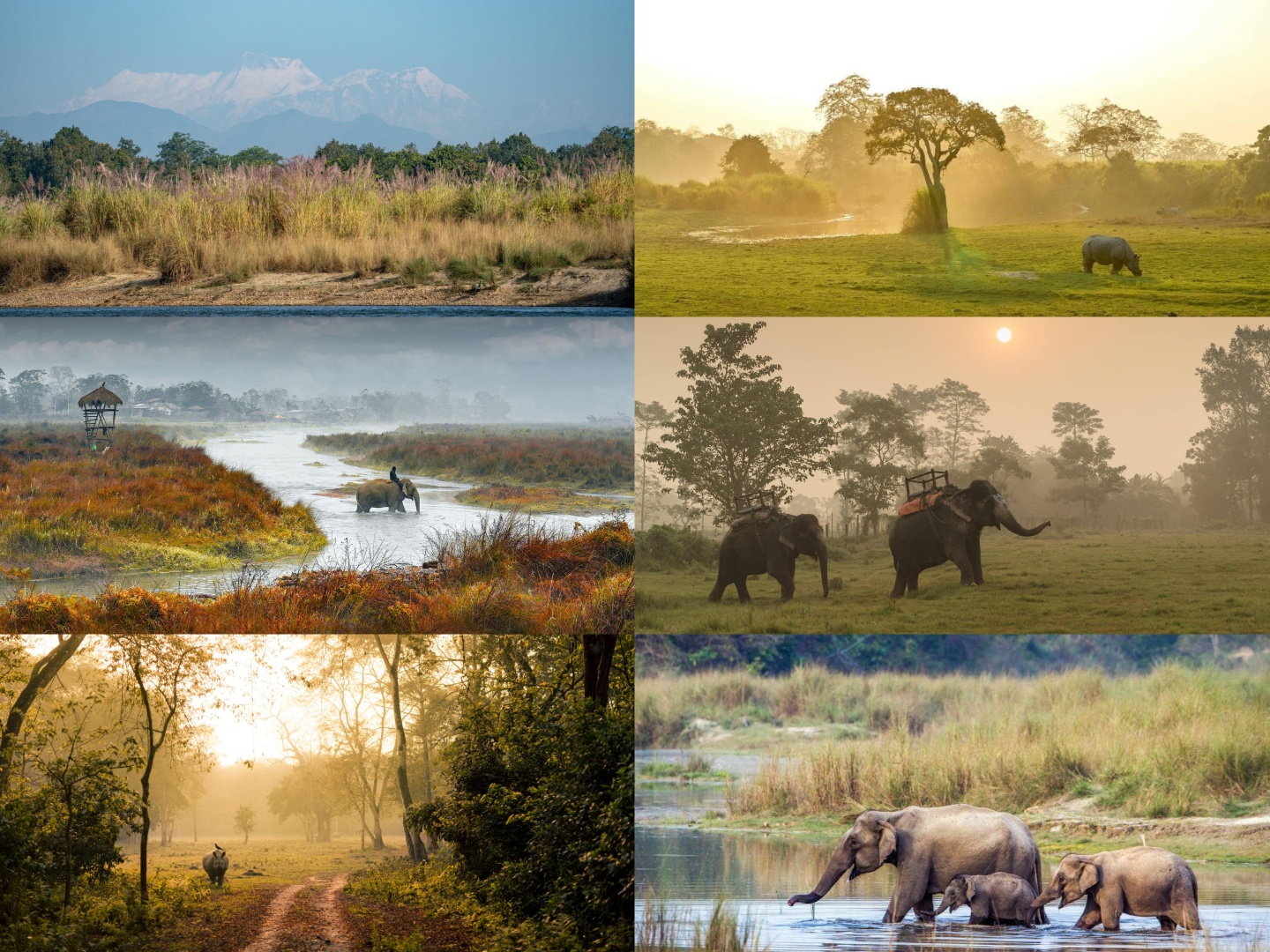
Nepal is blessed with extraordinary natural diversity, ranging from the tropical forests of the Terai to the spectacular mountains of the Himalayas. Its 13 national parks preserve some of the country’s most valuable wildlife habitats, scenic landscapes, natural resources and cultural heritage, offering diverse experiences for domestic and international travellers. The national parks are among Nepal’s major nature-based tourism attractions. Visitors can experience jungle safaris, wildlife observation, birdwatching, trekking, hiking, mountain scenery and visits to beautiful Himalayan lakes.
From spotting the one-horned rhinoceros in Chitwan to exploring the Everest region in Sagarmatha and enjoying the peaceful surroundings of Rara Lake, each park offers a distinctive tourism experience. These protected areas also play an important role in biodiversity conservation, environmental protection and the development of local communities through sustainable tourism.
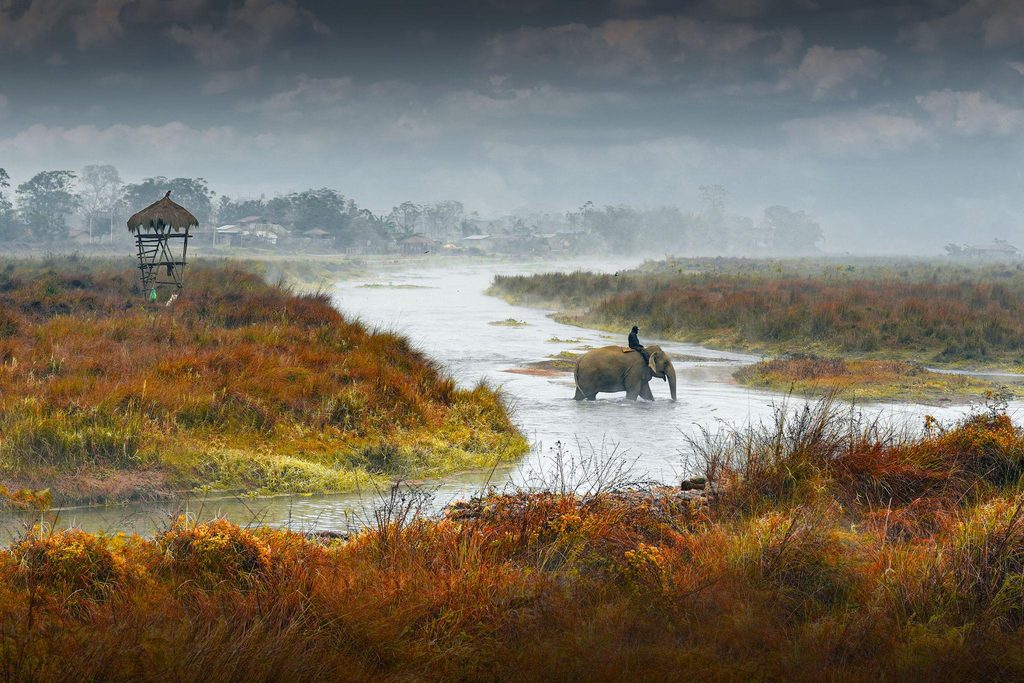
Overview of Nepal’s 13 National Parks
Nepal’s national parks are spread across different geographical regions, each offering unique natural features and tourism opportunities. The following table highlights their areas, locations and major attractions.
| S.N. | National Park | Area (sq. km) | Location | Major Attraction |
|---|---|---|---|---|
| 1 | Chitwan National Park | 952.63 | Chitwan, Nawalpur, Parsa and Makwanpur | One-horned rhinoceros, tiger safari and canoeing |
| 2 | Bardiya National Park | 968 | Bardiya | Bengal tiger, elephants and jungle safari |
| 3 | Sagarmatha National Park | 1,148 | Solukhumbu | Mount Everest, trekking and Sherpa culture |
| 4 | Langtang National Park | 1,710 | Rasuwa, Nuwakot and Sindhupalchok | Langtang Valley, red panda and Gosainkunda |
| 5 | Rara National Park | 106 | Mugu and Jumla | Rara Lake and Himalayan scenery |
| 6 | Shey Phoksundo National Park | 3,555 | Dolpa and Mugu | Phoksundo Lake and remote Himalayan wilderness |
| 7 | Khaptad National Park | 225 | Bajhang, Bajura, Doti and Achham | Khaptad meadows, spiritual heritage and hiking |
| 8 | Makalu Barun National Park | 1,500 | Sankhuwasabha and Solukhumbu | Mount Makalu and Barun Valley |
| 9 | Shivapuri Nagarjun National Park | 159 | Kathmandu, Nuwakot and Sindhupalchok | Hiking, birdwatching and nature retreats |
| 10 | Banke National Park | 550 | Banke | Tiger conservation and wildlife |
| 11 | Shuklaphanta National Park | 305 | Kanchanpur | Vast grasslands and swamp deer |
| 12 | Parsa National Park | 627 | Parsa, Bara and Makwanpur | Tropical forests and elephant habitat |
| 13 | Chhayanath National Park | 843.36 | Mugu | Himalayan landscapes and natural heritage |
Wildlife and Jungle Safari Destinations
1. Chitwan National Park
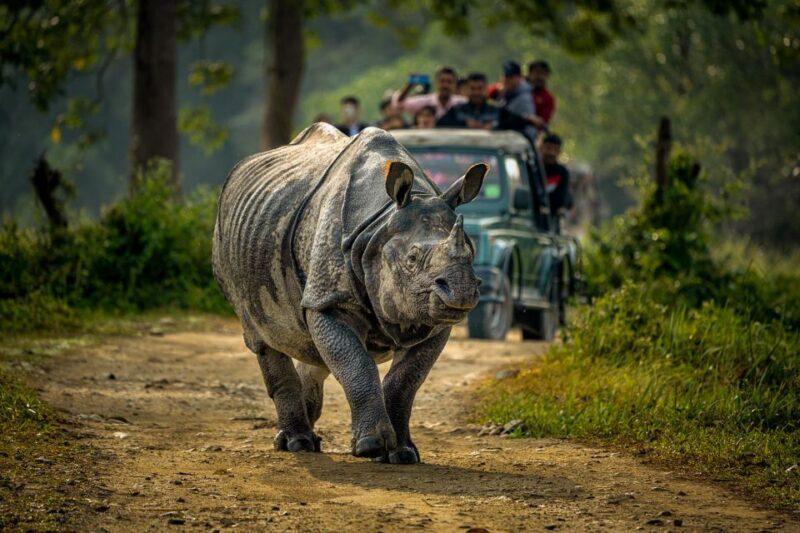
Chitwan National Park is one of Nepal’s most popular wildlife tourism destinations and a major attraction for nature enthusiasts. Located in the southern lowlands, it is famous for its one-horned rhinoceros, Bengal tigers, elephants, crocodiles and diverse bird species. Visitors can enjoy jungle safaris, canoeing, guided nature walks and wildlife observation. The surrounding communities also offer opportunities to experience local culture and traditions.
2. Bardiya National Park
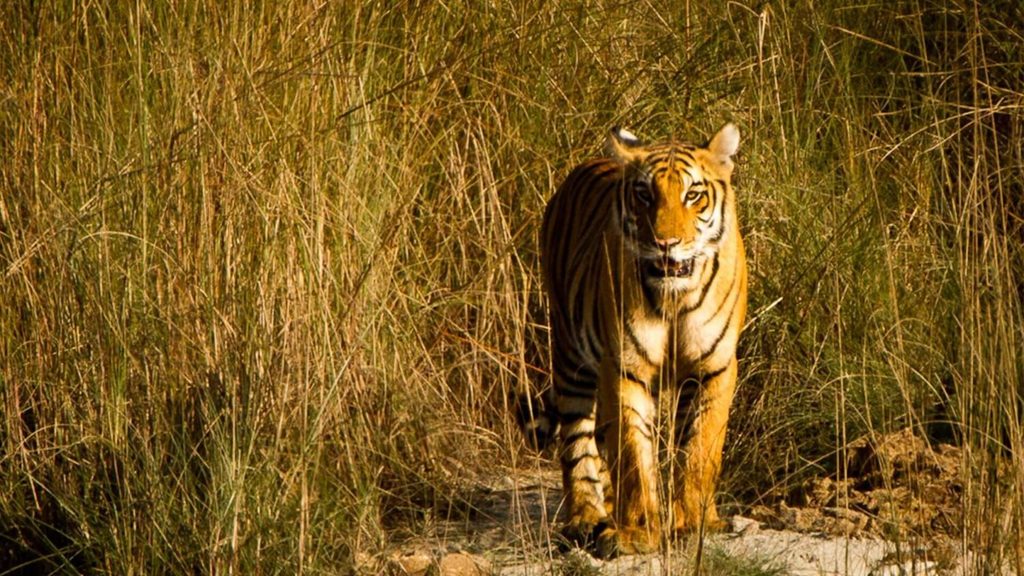
Bardiya National Park is an important destination for travellers seeking wildlife experiences in a natural and relatively peaceful setting. Its forests, grasslands and river systems provide habitats for Bengal tigers, wild elephants, rhinoceroses and numerous bird species. Jungle safaris and guided wildlife excursions make the park a significant attraction for eco-tourism in western Nepal.
3. Banke National Park
Banke National Park is recognised for its contribution to tiger conservation and the protection of wildlife habitats in Nepal. Its tropical forests and grasslands support a variety of mammals and bird species. The park is particularly suitable for visitors interested in biodiversity, wildlife conservation and nature-based exploration.
4. Shuklaphanta National Park
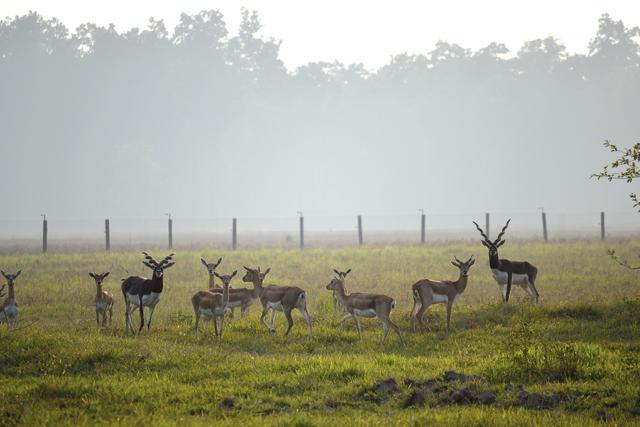
Located in Kanchanpur, Shuklaphanta National Park is famous for its extensive grasslands and population of swamp deer. Its open landscapes provide excellent opportunities for wildlife observation and birdwatching. The park’s distinctive grassland ecosystem and rich biodiversity make it an important nature tourism destination in far-western Nepal.
5. Parsa National Park
Parsa National Park protects extensive tropical and subtropical forests in southern Nepal. It is known for its elephant habitat and diverse wildlife, including several mammal and bird species. Its natural forest environment provides opportunities for nature exploration while contributing to the conservation of the Terai ecosystem.
Himalayan Landscapes, Lakes and Trekking Experiences
6. Sagarmatha National Park
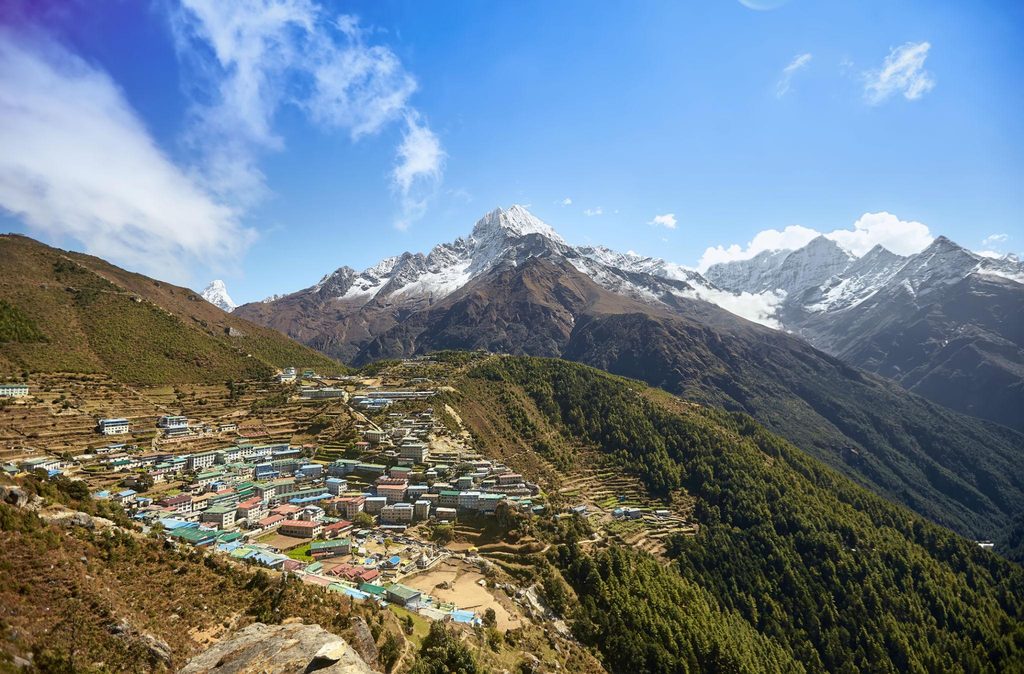
Sagarmatha National Park is one of Nepal’s most internationally recognised protected areas, encompassing Mount Everest and its surrounding Himalayan landscapes. Located in Solukhumbu, it attracts trekkers, mountaineers and adventure travellers from across the world. Its glaciers, mountain valleys, spectacular viewpoints and traditional Sherpa settlements offer a combination of natural beauty and cultural experiences. The Everest Base Camp trekking route is among its most popular attractions.
7. Langtang National Park
Langtang National Park is a popular destination for trekking, mountain scenery and cultural exploration. Located north of Kathmandu, it is known for Langtang Valley, Gosainkunda Lake, forests and Himalayan wildlife, including the red panda. Its trekking routes pass through traditional settlements, alpine landscapes and scenic mountain viewpoints, attracting both domestic and international visitors.
8. Rara National Park
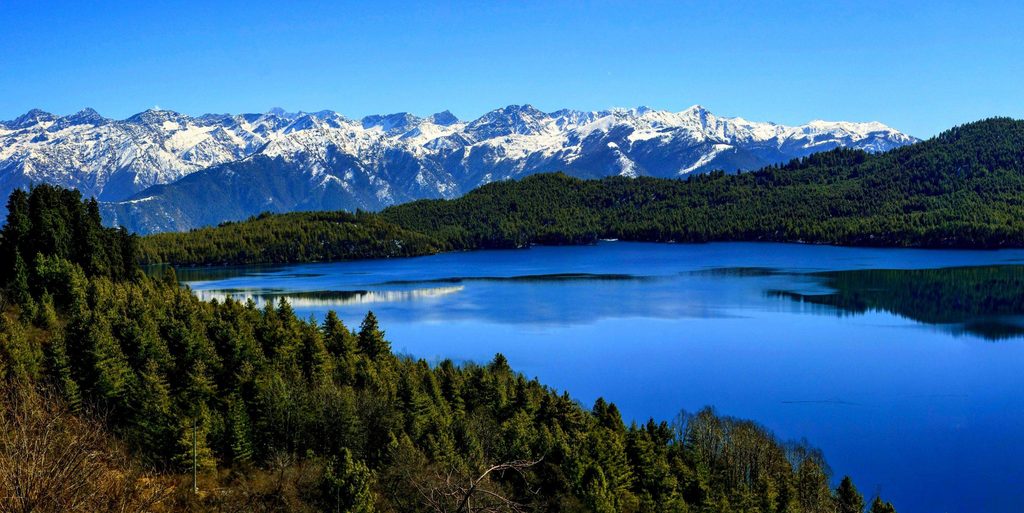
Rara National Park in western Nepal is best known for Rara Lake, the country’s largest lake. Surrounded by forested hills and Himalayan scenery, the lake is famous for its clear water and peaceful surroundings. The park offers opportunities for trekking, photography, nature walks and relaxation. Its remote location also allows visitors to explore the natural beauty and cultural identity of the Karnali region.
9. Shey Phoksundo National Park
Shey Phoksundo National Park is renowned for its dramatic Himalayan wilderness and the beautiful turquoise waters of Phoksundo Lake. Located in the Dolpa region, it features rugged mountains, deep valleys, forests and unique cultural settlements. Visitors can experience trekking, traditional Tibetan-influenced culture, ancient monasteries and spectacular natural scenery, making it one of Nepal’s most distinctive destinations for adventure and nature tourism.
10. Makalu Barun National Park
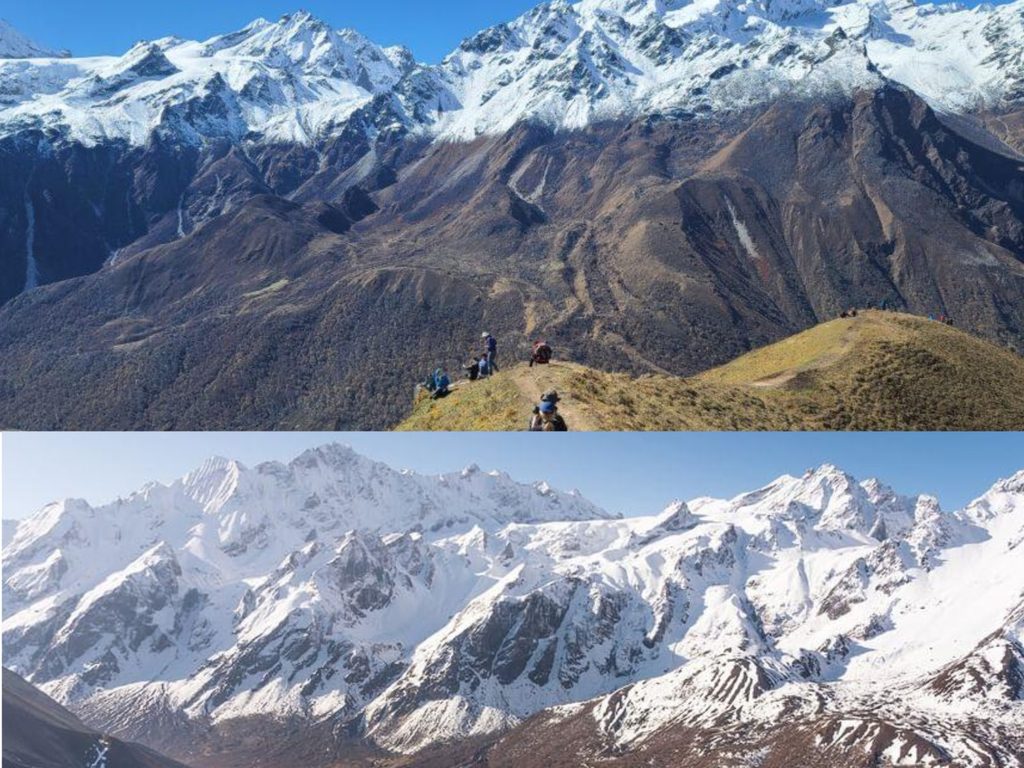
Makalu Barun National Park protects a remarkable area of eastern Himalayan wilderness, including Mount Makalu, the world’s fifth-highest mountain. The park features dramatic elevation changes, deep valleys, forests and diverse biodiversity. Barun Valley is one of its major attractions, offering impressive scenery and trekking opportunities for travellers seeking less-crowded Himalayan routes.
Nature, Spiritual Heritage and Outdoor Recreation
11. Khaptad National Park
Khaptad National Park is a distinctive destination in far-western Nepal, famous for its green meadows, forests, rolling hills and spiritual heritage. The area is associated with Khaptad Baba, a respected spiritual figure who spent many years in the region. Visitors can enjoy hiking, nature walks, birdwatching and peaceful natural surroundings, making it attractive for both nature and spiritual tourism.
12. Shivapuri Nagarjun National Park
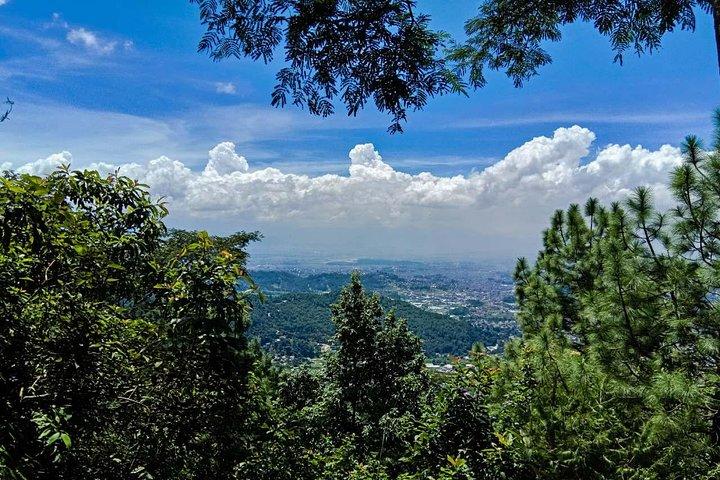
Situated close to Kathmandu, Shivapuri Nagarjun National Park is an important destination for outdoor recreation and nature tourism near the capital. Its forests, hills, streams and diverse birdlife provide opportunities for hiking, birdwatching and short nature retreats. Its accessibility makes the park popular among domestic visitors, international travellers and residents seeking an escape from the busy urban environment.
13. Chhayanath National Park
Chhayanath National Park is Nepal’s newest national park, established in Mugu district in 2025. Located in the remote Himalayan region, it represents an important addition to Nepal’s protected-area network. Its natural landscapes and biodiversity offer opportunities for conservation, nature exploration and the development of tourism in the Karnali region. The establishment of the park also aims to improve local access to conservation services and strengthen wildlife protection.
National Parks: An Important Part of Nepal’s Tourism Industry
Nepal’s national parks are valuable assets for the country’s tourism industry, offering experiences that appeal to wildlife enthusiasts, trekkers, adventure seekers, photographers and cultural travellers. The variety of destinations allows visitors to explore different geographical regions and discover the country’s natural diversity. Wildlife destinations such as Chitwan, Bardiya and Shuklaphanta offer opportunities for jungle safaris and wildlife observation, while Sagarmatha, Langtang, Rara and Shey Phoksundo attract visitors through their mountain landscapes, trekking routes and lakes. Similarly, Khaptad and Shivapuri Nagarjun provide opportunities for hiking, nature retreats and spiritual exploration.
Tourism activities in and around national parks also support local economies by creating opportunities in accommodation, transportation, guiding, hospitality and local businesses. Community participation in tourism can further encourage conservation awareness and provide alternative sources of income for people living near protected areas. Responsible tourism is essential to maintaining the natural value of these destinations. Visitors are encouraged to follow park regulations, respect wildlife, avoid littering, minimise environmental impacts and support local communities.
Sustainable tourism practices can help protect fragile ecosystems while allowing visitors to enjoy Nepal’s natural heritage. With their diverse wildlife, spectacular mountain scenery, pristine lakes and cultural significance, Nepal’s 13 national parks represent some of the country’s most remarkable tourism destinations. Their continued promotion and conservation can strengthen Nepal’s position as an attractive destination for wildlife holidays, trekking, adventure travel and nature exploration.