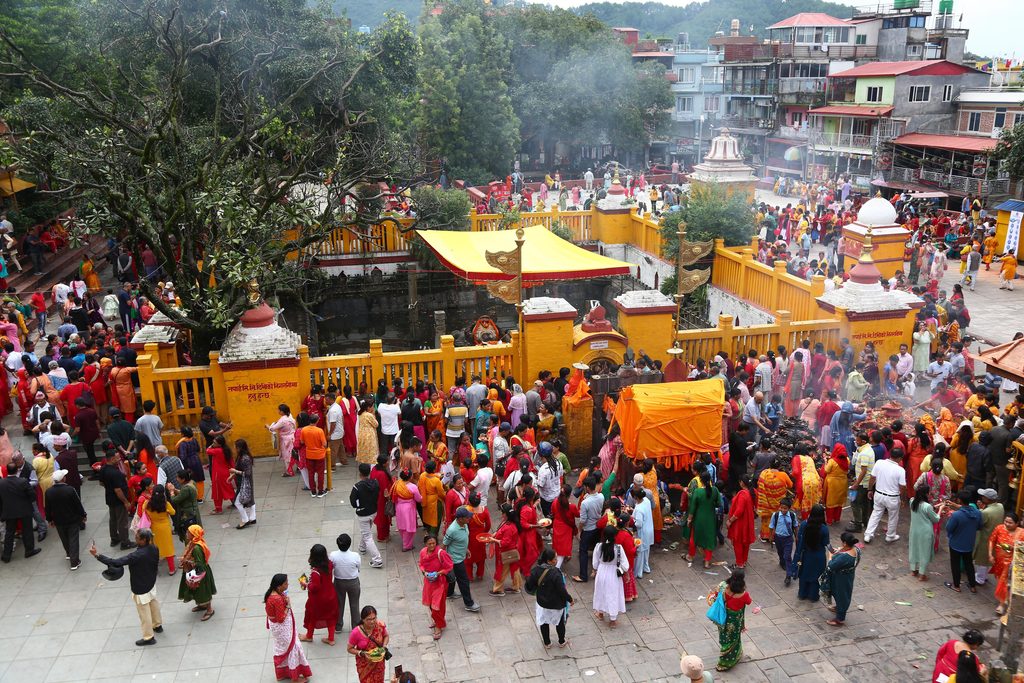
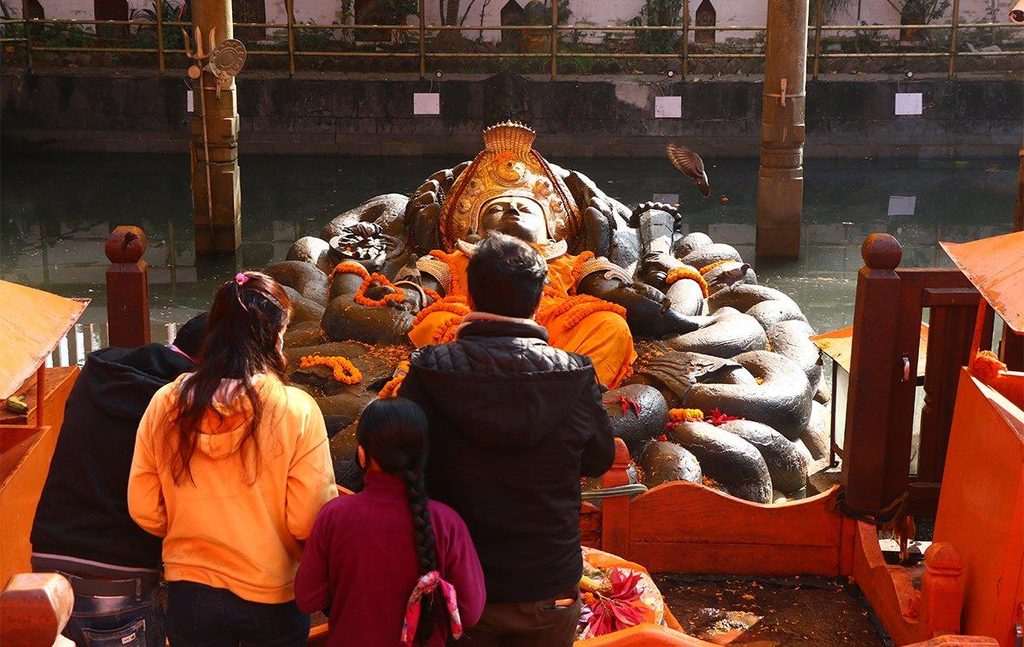
Kathmandu’s historic Budhanilkantha Temple has witnessed a large gathering of devotees during its annual five-day religious fair, which begins on Haribodhini Ekadashi and continues until Kartik Shukla Purnima. The temple, renowned for its religious, cultural, historical and archaeological significance, has attracted devotees from across Nepal and India for worship, prayers and spiritual activities.
Located in the northern part of Kathmandu Valley, Budhanilkantha Temple is one of Nepal’s most important Hindu pilgrimage destinations, dedicated to Lord Vishnu in his reclining form. The annual religious gathering holds special significance for devotees who believe that worshipping and visiting the temple during this auspicious period brings spiritual merit and blessings. The five-day fair is observed every year according to the traditional Hindu calendar, with Haribodhini Ekadashi marking its beginning and Kartik Shukla Purnima concluding the festivities. During this period, the temple premises become a major centre of religious activities, drawing a large number of worshippers seeking blessings and participating in traditional rituals.
Unique Reclining Statue of Lord Vishnu Attracts Pilgrims
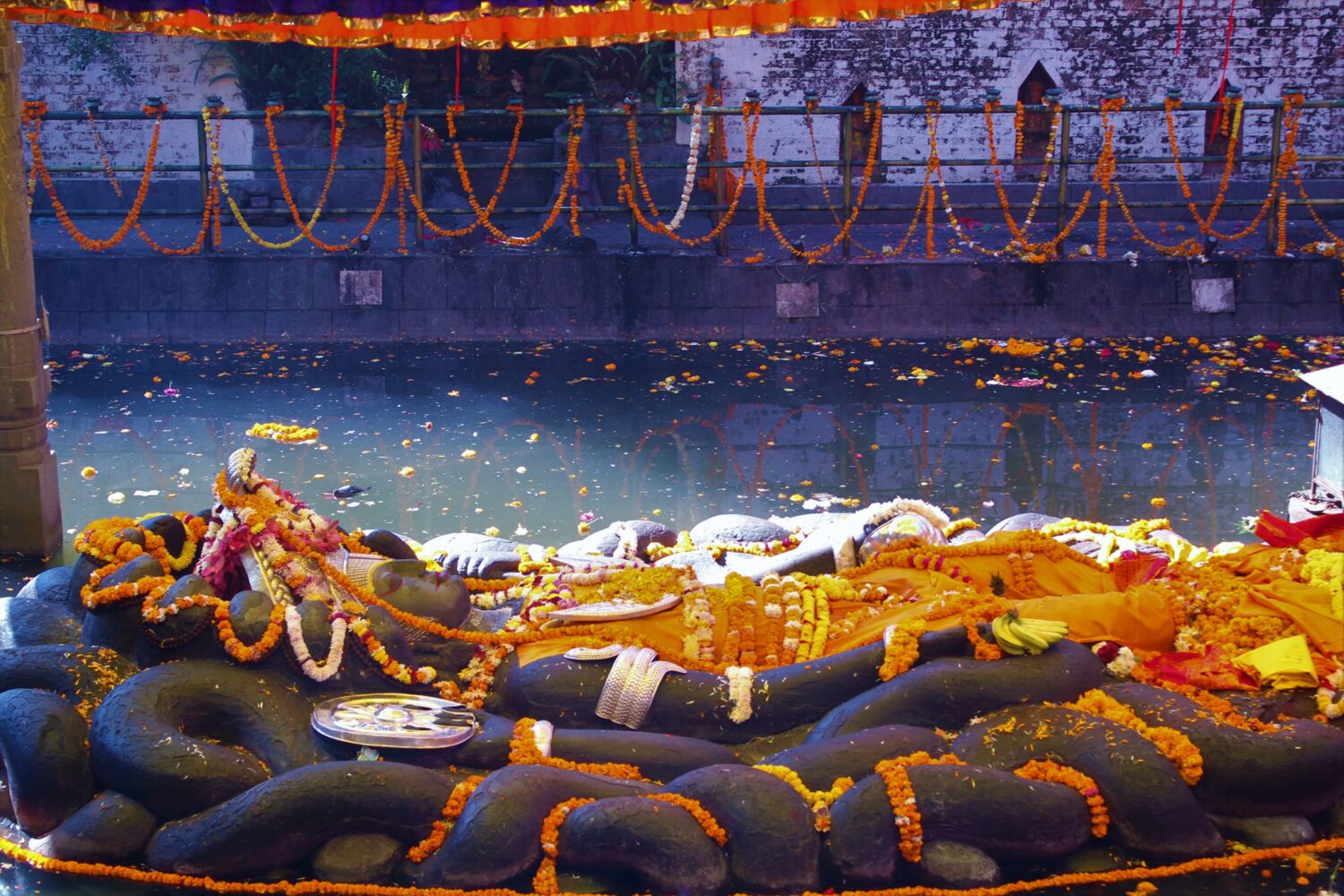
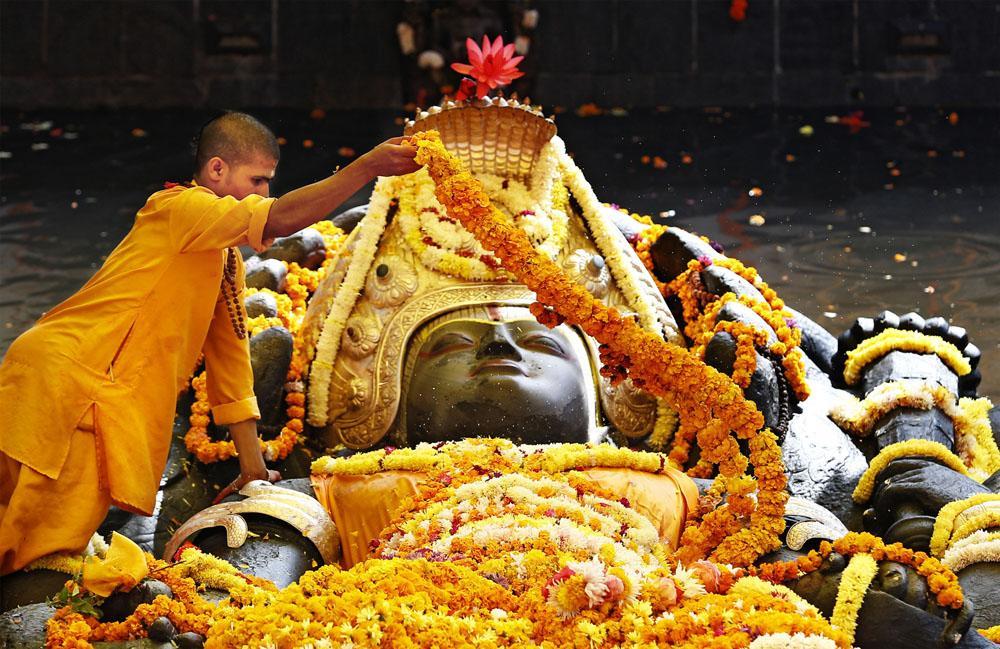
The main attraction of Budhanilkantha Temple is its extraordinary stone statue of Lord Vishnu reclining on the cosmic serpent Shesha in the middle of a water pool. The statue, measuring approximately 12 feet in width and 24 feet in length, is regarded as one of the most remarkable religious and archaeological monuments in Nepal. According to the temple’s religious traditions, the deity is believed to have manifested naturally from the stone, making the statue particularly sacred among devotees. Its distinctive artistic composition, historical significance and religious symbolism have established Budhanilkantha as an important destination for pilgrims as well as visitors interested in Nepal’s cultural heritage.
Swami Nigamananda, the head priest of Budhanilkantha Narayansthan Math, said the temple holds exceptional importance for religious devotees and those interested in studying Hindu traditions, archaeology, history and culture. He explained that the annual fair provides an opportunity for worshippers to visit the sacred site and participate in religious observances during an auspicious period. The temple’s unique representation of Lord Vishnu is also considered significant because it is associated with both Hari and Har, representing Lord Vishnu and Lord Shiva. According to temple management, this distinctive religious symbolism makes the site particularly meaningful for devotees of different Hindu traditions.
Religious Tourism Attracts Visitors from Nepal and India
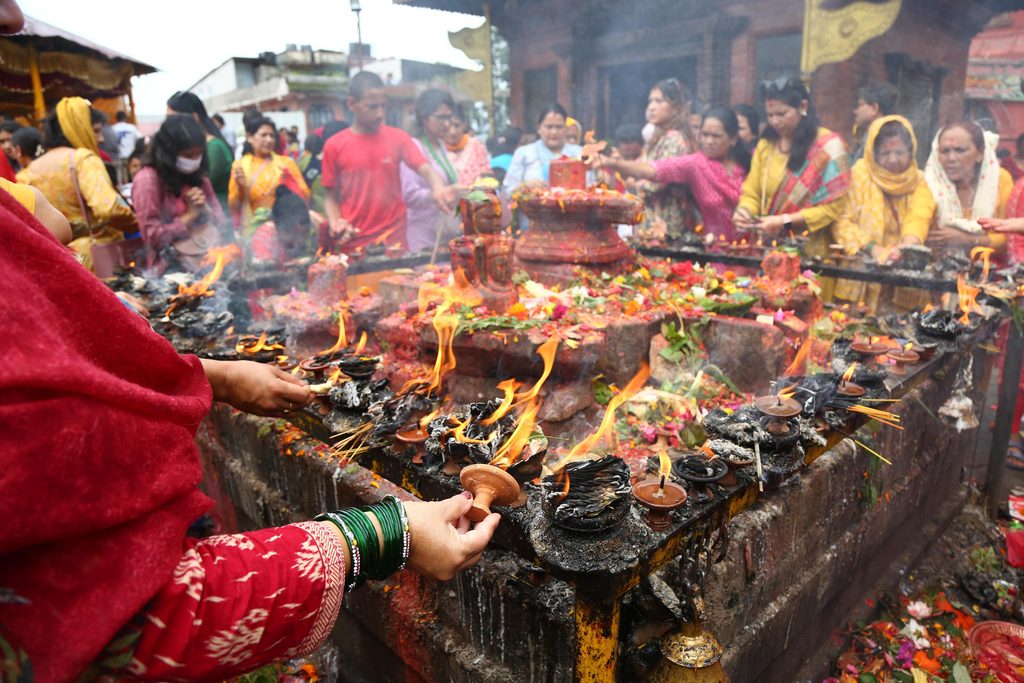
Budhanilkantha Temple has become a popular pilgrimage destination for both Nepali and Indian religious tourists, particularly during major Hindu festivals and auspicious occasions. Visitors arriving in Kathmandu for religious tourism frequently include the temple in their pilgrimage itineraries, alongside other prominent religious sites in the capital. The annual five-day fair is one of the major occasions for devotees to visit the temple in large numbers. Worshippers participate in prayers, religious rituals and devotional activities, while the temple’s spiritual atmosphere offers an opportunity for visitors to experience Nepal’s longstanding religious traditions.
Temple authorities noted that Indian pilgrims visiting Pashupatinath Temple also frequently travel to Budhanilkantha to pay their respects to Lord Vishnu. The proximity of the temple to Kathmandu’s major religious and cultural attractions further strengthens its importance within the city’s religious tourism circuit. Budhanilkantha is also regarded as a symbol of religious harmony, as the sacred site is respected not only by Shaivite and Vaishnavite communities but also by Buddhist and Kirat followers.
Its cultural and spiritual significance reflects Nepal’s diverse religious traditions and the longstanding coexistence of different faiths. Local residents and temple representatives consider the site an important example of religious tolerance and shared cultural heritage, making it an attraction for visitors interested in Nepal’s spiritual and cultural identity beyond conventional pilgrimage activities.
Five-Day Festival Holds Special Significance in Hindu Tradition
The period from Kartik Shukla Ekadashi to Kartik Shukla Purnima is also observed as Bhishma Panchak, a spiritually significant five-day period in Hindu tradition. According to religious beliefs, Bhishma, a revered figure from the Mahabharata, delivered important teachings to Yudhishthira during these five days while lying on his deathbed. The period is traditionally associated with devotion, spiritual discipline, religious observances and meditation. Devotees believe that performing spiritual practices during Bhishma Panchak can help attain spiritual enlightenment and religious merit.
Budhanilkantha Temple is particularly significant during this period, with worshippers believing that visiting the temple and offering prayers can fulfil their wishes and bring blessings. Religious traditions also hold that devotees who are unable to visit all four Narayan temples in Kathmandu Valley during the auspicious period can receive equivalent spiritual merit by visiting Budhanilkantha alone.
The four Narayan temples traditionally associated with Kathmandu Valley include Changu Narayan, Bishankhu Narayan, Ichangu Narayan and Shesh Narayan. Devotees who cannot complete the pilgrimage to all four sites are also believed to receive blessings by worshipping at Budhanilkantha or the Narayan Temple located within the Narayanhiti Palace area. These traditions have contributed to the temple’s popularity during the annual festival and strengthened its position as an important destination for religious tourism in Kathmandu.
Bhagwat Mahayagya Supports Gurukul Education
Alongside the annual religious fair, the Budhanilkantha Narayansthan Temple Management Committee has organised a Shrimad Bhagwat Gyan Mahayagya from November 18 to 24, corresponding to Mangsir 2 to 8 in the Nepali calendar. The religious event is being conducted to support the operation of the Budhanilkantha Gurukul, which has been functioning within the temple premises since 2000. The funds collected through the Mahayagya will be used to support the educational activities and daily operations of the Gurukul, according to committee chairman Indra Bahadur Thapa.
The Gurukul currently accommodates 50 students, known as Batuks, who are studying Vedic knowledge and traditional education. The institution aims to preserve and promote Nepal’s religious traditions, Sanskrit learning and Vedic teachings through a traditional educational system. The Mahayagya has added another dimension to the religious activities taking place at the temple during the festival period, bringing together devotees for worship, spiritual discourse and contributions to the preservation of traditional education.
With its unique reclining statue of Lord Vishnu, rich religious history, cultural importance and annual festivals, Budhanilkantha continues to serve as a major pilgrimage destination in Kathmandu Valley. The five-day religious fair further highlights the temple’s role in promoting Nepal’s religious heritage and attracting visitors interested in spiritual experiences, traditional practices and cultural tourism.
Source-RSS