
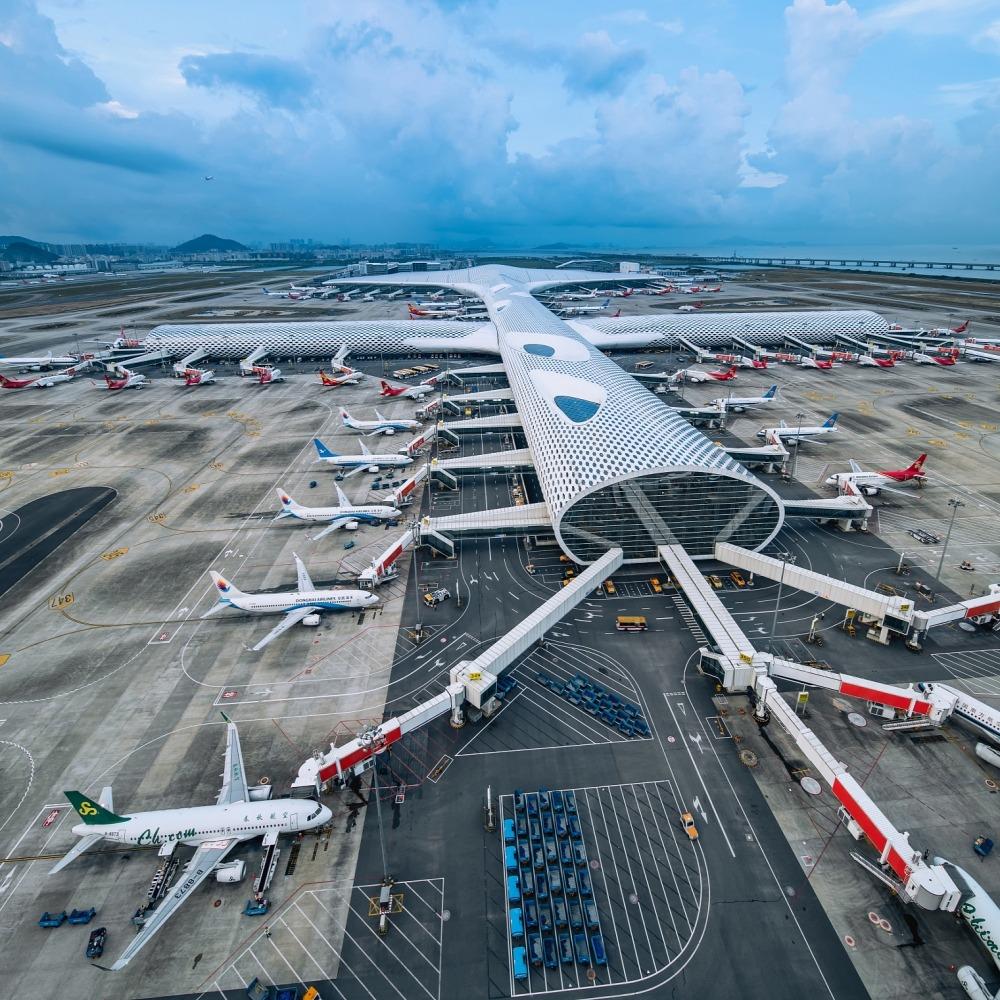
Governments and aviation industry stakeholders have reaffirmed their commitment to building a more competitive, sustainable, resilient and passenger-focused global air transport industry following the successful conclusion of the 7th International Civil Aviation Organization (ICAO) Worldwide Air Transport Conference (ATConf/7) in Montreal, Canada. The five-day conference, held from November 16 to 20, brought together ICAO Member States and industry representatives under the theme, “Air Transport: Powering Global Connectivity, Economic Development and Resilience in a Dynamic World.”
Discussions focused on strengthening international air connectivity, improving aviation regulations, supporting sustainable growth, protecting passengers, financing infrastructure and encouraging innovation across the aviation sector. The International Air Transport Association (IATA) welcomed the conference outcomes, stating that the discussions reflected growing international support for policies that can help aviation contribute more effectively to economic development, global connectivity and tourism while addressing the industry’s operational and environmental challenges.
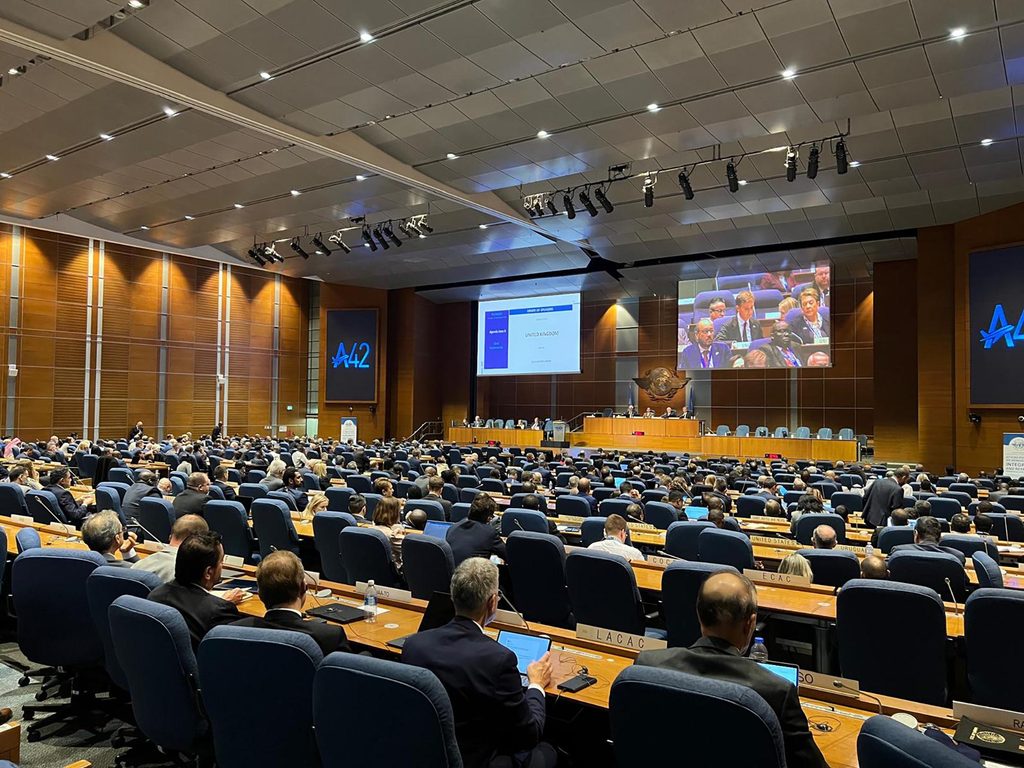
Global Aviation Industry Seeks Stronger Connectivity and Economic Growth
The conference highlighted the importance of air transport as a major contributor to global economic activity, employment, trade and international mobility. According to IATA, the aviation industry supports approximately 99 million jobs worldwide and generates an estimated US$5 trillion in economic impact, demonstrating its significant role in connecting economies, businesses and communities. Governments and industry representatives discussed the need for aviation policies that promote competition, improve connectivity and encourage innovation rather than creating unnecessary regulatory barriers or additional operating costs.
The discussions took place amid increasing financial pressures on airlines, rising operational expenses, capacity limitations and differences in regulatory approaches across international markets.The conference also emphasized the importance of economic regulation that considers the broader benefits of aviation, including tourism development, international trade, investment and employment opportunities. IATA proposed that ICAO develop practical regulatory guidelines incorporating systematic impact assessments and cost-benefit analysis to ensure that aviation policies are effective, transparent and aligned with the industry’s long-term development needs.
The international aviation sector is currently facing a challenging economic environment, with higher fuel prices and rising living costs affecting travel demand and airline operations. IATA indicated that passenger growth in 2026 is expected to be the weakest since 2009, excluding the years affected by the COVID-19 pandemic. The conference therefore provided an important platform for governments and industry stakeholders to discuss coordinated measures to strengthen the sector’s resilience and maintain its contribution to global connectivity.
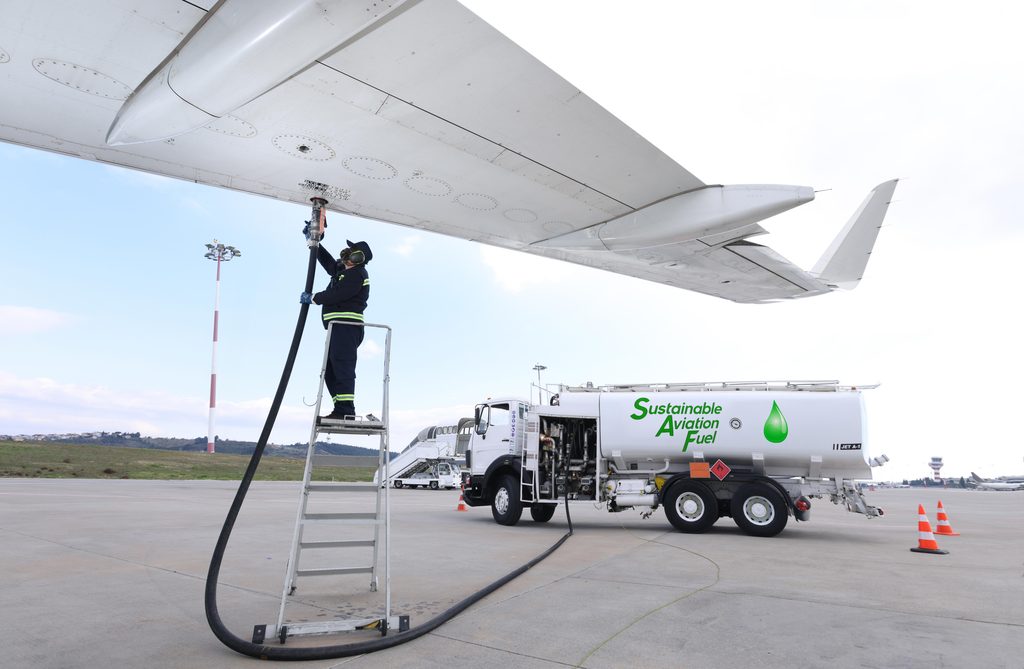
Passenger Protection, Infrastructure Investment and Regulatory Improvements
Passenger protection and the development of efficient aviation infrastructure were among the major priorities discussed during ATConf/7. Governments recognized the importance of consumer protection measures that safeguard travelers while maintaining competition, passenger choice and flexibility within the air transport market. IATA advocated for clear, consistent and accessible information for passengers, enabling travelers to understand their rights, responsibilities and expectations throughout their journeys. Industry representatives stressed that passenger protection frameworks should be designed to provide meaningful safeguards without creating excessive regulatory burdens that could affect airline competitiveness or limit travel options.
Airport infrastructure and air navigation services were also highlighted as essential components of a well-functioning global aviation system. The conference reaffirmed the importance of ICAO’s established principles for the economic oversight of airports and air navigation service providers, particularly regarding transparency, cost-related charges and consultation with aviation stakeholders. IATA called for stronger independent regulatory oversight to ensure that airport and air navigation charges remain reasonable, transparent and connected to the actual costs of services provided.
Such measures are expected to support efficient infrastructure investment, improve operational performance and ensure that facilities are developed in response to genuine demand. Effective infrastructure financing and planning remain crucial as international air travel continues to evolve. Governments and aviation authorities were encouraged to adopt regulatory frameworks that support airport development and air navigation improvements while ensuring that airlines and passengers are not subjected to unnecessary costs.
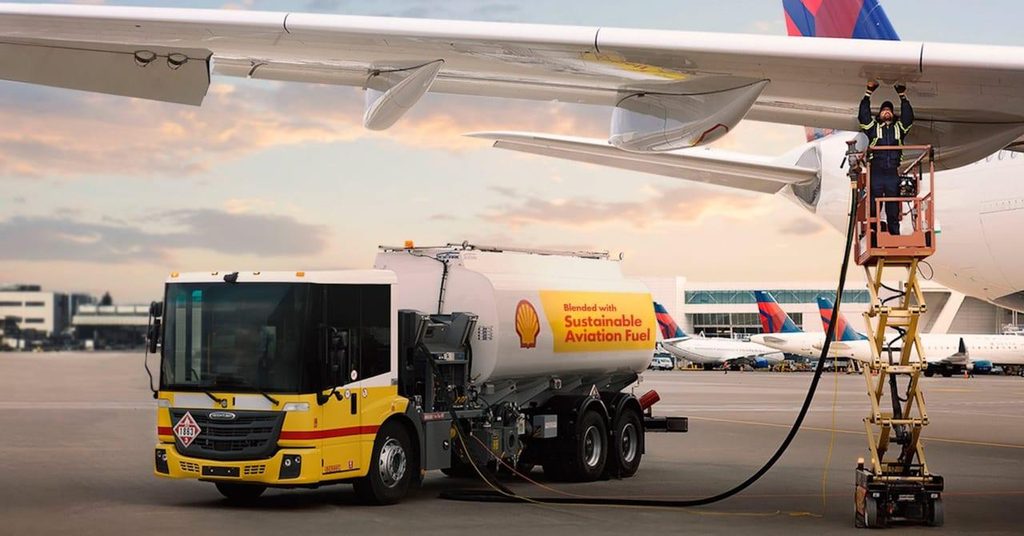
Sustainable Aviation and Global Carbon Reduction Policies
Sustainability remained a central issue throughout the conference, with discussions focusing on coordinated international policies to support aviation’s environmental transition. The industry highlighted the need to accelerate the development and availability of Sustainable Aviation Fuel (SAF), improve supporting infrastructure and encourage investment in technologies that can help reduce aviation emissions. IATA called on governments to move beyond isolated SAF mandates and adopt coordinated policies that stimulate production, investment and supply-chain development.
The association emphasized that consistent international approaches are essential to avoid market distortions and ensure that airlines operating across different regions face a more predictable regulatory environment. The conference also highlighted the importance of strengthening the Carbon Offsetting and Reduction Scheme for International Aviation (CORSIA), ICAO’s global market-based mechanism for addressing international aviation emissions. IATA urged governments to support CORSIA as the primary international framework for aviation carbon reduction while increasing the availability of eligible emissions units.
The association also raised concerns about the potential consequences of overlapping national and regional carbon regulations. It called for greater alignment among governments to prevent additional compliance costs, regulatory confusion and competitive disadvantages for airlines operating internationally. The discussions underscored the importance of international cooperation in aviation sustainability, particularly as airlines, airports, fuel producers and governments work together to develop practical pathways toward a lower-carbon aviation industry.
Digital Innovation and Seamless International Travel
Digital identity, passenger facilitation and secure international travel were also important subjects at ATConf/7. IATA and Airports Council International (ACI) highlighted the potential of internationally interoperable digital identity systems to make airport procedures faster, more secure and more efficient. The adoption of compatible digital travel credentials could help simplify passenger processing, improve information exchange between aviation stakeholders and support smoother travel experiences across international borders. The organizations also emphasized the need for consistent implementation of ICAO Annex 9, which provides international standards and recommended practices for facilitating air travel.

Discussions addressed the importance of harmonizing Advance Passenger Information (API) and Passenger Name Record (PNR) requirements across countries. Consistent procedures and improved digital systems could help reduce operational complexity for airlines while supporting governments in managing border security and passenger processing. IATA further stressed that governments should retain responsibility for determining passenger admissibility, while airlines should operate within clear and consistent regulatory frameworks. Greater international coordination in these areas could improve efficiency, security and predictability throughout the global travel system.
The conference also addressed taxation, with IATA and ACI urging governments to ensure that emerging international tax regulations remain consistent with ICAO’s established framework for international aviation. The organizations called for policies that avoid overlapping taxation, double taxation and unnecessary administrative complexity while respecting existing international arrangements.
IATA Calls for Implementation of Global Aviation Priorities
ATConf/7 marked the first worldwide ICAO Air Transport Conference since 2013, making the event particularly significant in setting policy direction for an industry that has undergone substantial economic, technological and operational changes over the past decade. IATA submitted nine papers to the conference, including six working papers and three information papers. The submissions covered economic regulation, passenger protection, airport and air navigation charges, sustainable aviation fuels, CORSIA, taxation, digital identity and passenger facilitation.
IATA Senior Vice President for External Affairs Thomas Reynaert said the conference demonstrated the importance of ICAO in bringing governments and aviation stakeholders together to develop global solutions. He emphasized that coordinated regulation can help maximize aviation’s economic benefits by supporting connectivity, competition and innovation. Reynaert also called for governments to translate the conference’s conclusions into concrete actions, particularly in supporting global carbon-reduction initiatives and avoiding fragmented regulatory approaches that could increase costs for airlines and passengers.
He further emphasized that air cargo plays a vital role in international trade and global connectivity and requires regulatory frameworks that reflect its distinct operational requirements. The successful conclusion of ATConf/7 is expected to provide renewed momentum for international cooperation in aviation policy. As the industry continues to navigate economic pressures, infrastructure requirements and environmental challenges, the conference’s outcomes highlight the importance of globally consistent regulations and collaborative efforts to ensure a competitive, sustainable and resilient air transport sector.