World Heritage Day is being celebrated today, April 18, to spread awareness about the importance of heritage conservation. The day has been observed since 1983 under the initiative of the United Nations Educational, Scientific and Cultural Organization (UNESCO) to promote the protection of World Heritage sites. In Nepal, World Heritage sites include the Kathmandu Valley (Basantapur, Patan, and Bhaktapur Durbar Squares, Changu Narayan, Pashupatinath, Boudhanath, and Swayambhunath), Lumbini, and Chitwan and Sagarmatha National Parks.
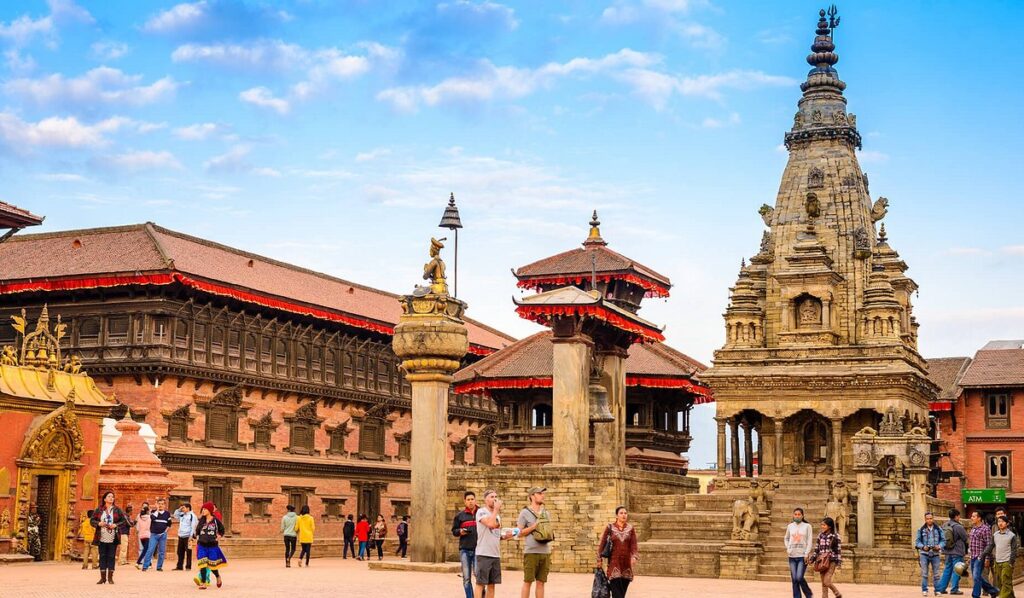
On this occasion, the Department of Archaeology has announced a heritage walk in Kathmandu this morning. The walk is being organized in collaboration with the Kathmandu Metropolitan City’s Hanumandhoka Durbar Conservation Program, Hanumandhoka Durbar Care Office, Shree Swayambhu Conservation and Management Committee, Nepal Heritage Society, and the Bagmati Province Handicraft Association. Chief Archaeological Officer Sandeep Khanal informed the national news agency RSS about the event.

Cultural experts and representatives from cultural organizations will participate in the walk, which will begin from the base of Swayambhu and conclude at Hanumandhoka Durbar Square, in the presence of the Minister of Culture, Tourism, and Civil Aviation, Badri Prasad Pandey. Now, heritage impact assessments will be required for infrastructure construction near heritage sites. Previously, environmental impact assessments were mandatory for large-scale projects. However, recognizing the damage caused to heritage sites by such developments, the government has introduced this new requirement. The Department of Archaeology developed the heritage impact assessment guidelines two years ago, according to Director General Saubhagya Pradhanang.

The first official training on heritage impact assessment in Nepal was conducted last year, and those trained are now conducting assessments. The department has also included a heritage impact assessment in its proposed amendment to the Ancient Monument Preservation Act, of 2013. Since the amendment process takes time, the Ministry of Culture, Tourism, and Civil Aviation approved the guidelines two years ago through a ministerial decision. According to the guidelines, a heritage impact assessment report must be submitted before any infrastructure construction is carried out in heritage areas.