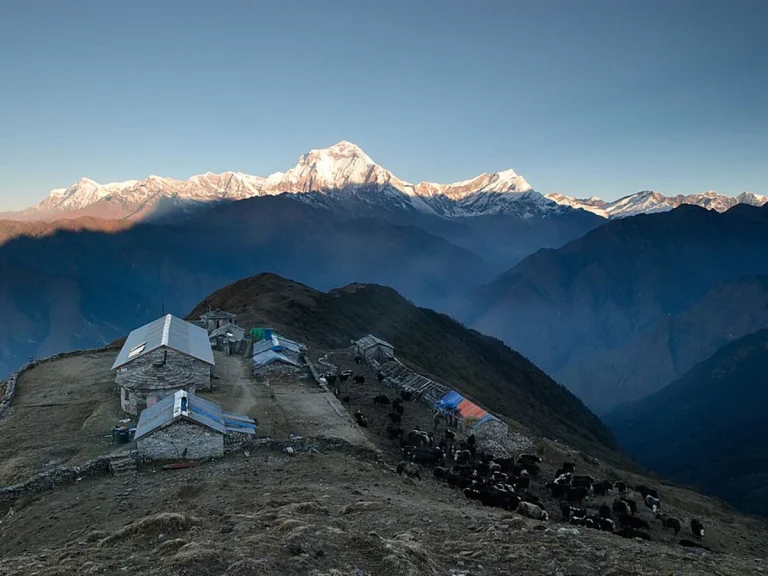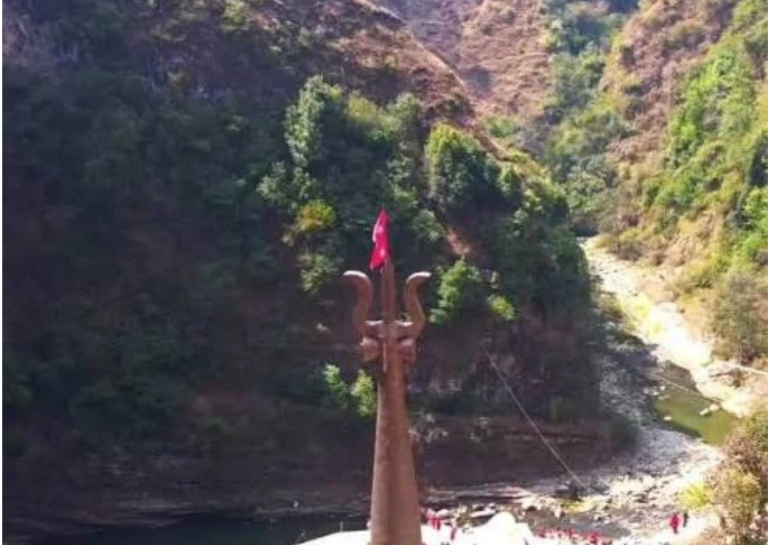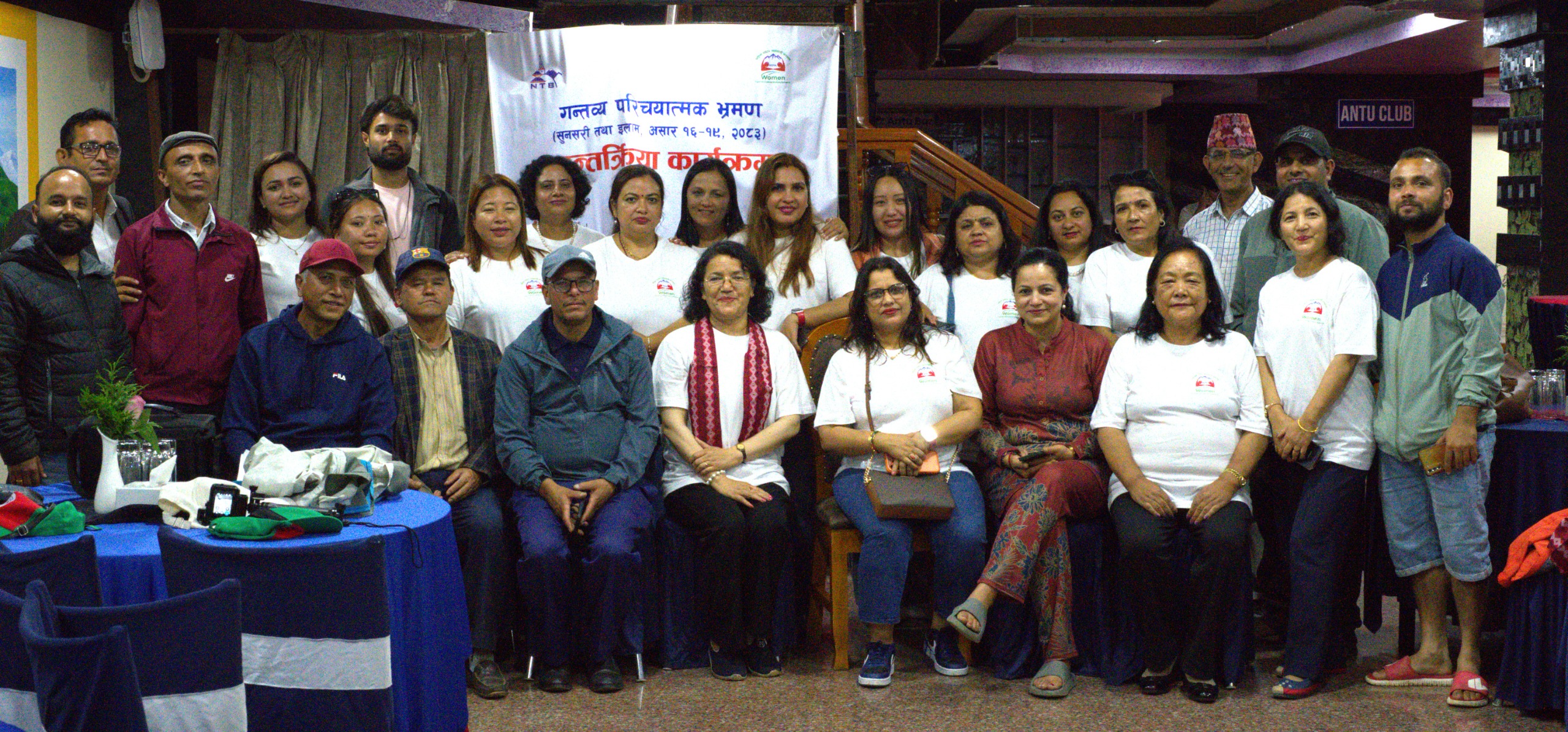
The Women Tourism Entrepreneurs Network has launched a promotional tourism campaign across major destinations in Koshi Province, aiming to showcase eastern Nepal’s tourism potential to national and international markets while strengthening community-based and sustainable tourism.
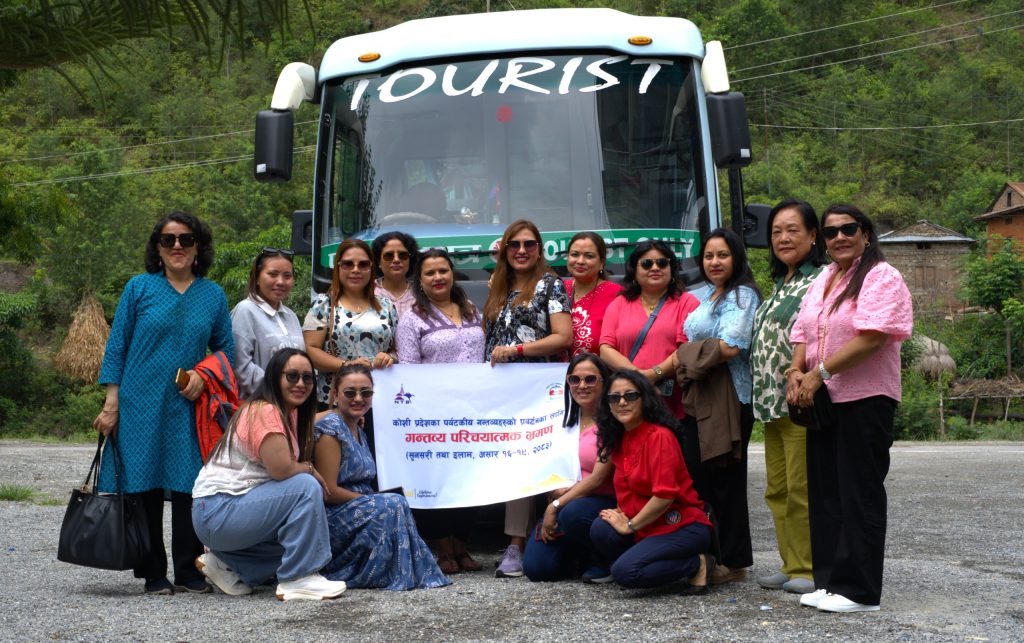
Organized in collaboration with the Nepal Tourism Board, the promotional tour brought together women tourism entrepreneurs from across the country to explore both emerging and established tourism destinations in the province. The initiative also included interactions with local governments, tourism entrepreneurs, homestay operators and community representatives to discuss opportunities, challenges and strategies for sustainable tourism development. The campaign covered several prominent destinations including Koshi Barrage, Jhapa, Ilam, Shree Antu and Barahakshetra.
Eastern Nepal has immense tourism potential
During an interaction programme held at Shree Antu, Women Tourism Entrepreneurs Network President Jaya Baral said Koshi Province is one of Nepal’s richest regions in terms of natural, religious, cultural, historical and adventure tourism resources. She emphasized that the province’s tourism potential should be developed through well-planned strategies by integrating its diverse attractions into comprehensive tourism products.
Women Tourism Entrepreneurs Network President Jaya Baral noted that eastern Nepal’s religious pilgrimage sites, archaeological heritage, scenic landscapes and adventure destinations should be linked with local agriculture, indigenous culture and traditional lifestyles to create authentic tourism experiences. Women Tourism Entrepreneurs Network President Jaya Baral highlighted agri-tourism as one of the most promising areas for future tourism growth, stating that promoting local agricultural products, traditional cuisine, indigenous culture and rural lifestyles would not only diversify tourism offerings but also strengthen rural economies.

“Every local government should identify its unique tourism assets, cultural heritage and emerging destinations and develop integrated tourism packages. Effective collaboration among local governments, tourism entrepreneurs, hotels, homestays, transport operators and local communities is essential for creating quality tourism products,” Women Tourism Entrepreneurs Network President Jaya Baral said. She further stressed that stronger partnerships between the public and private sectors are necessary to overcome existing challenges and establish tourism as a major driver of local economic development.
Local stakeholders call for destination promotion during interaction of Women Tourism Entrepreneurs Network
Local tourism entrepreneurs participating in the interaction programme expressed confidence that effective promotion of lesser-known destinations in eastern Nepal would help spread tourism benefits to remote communities. They emphasized the need for closer collaboration among local governments, tourism businesses and tourism-related organizations to promote community-based tourism, rural tourism and local entrepreneurship.
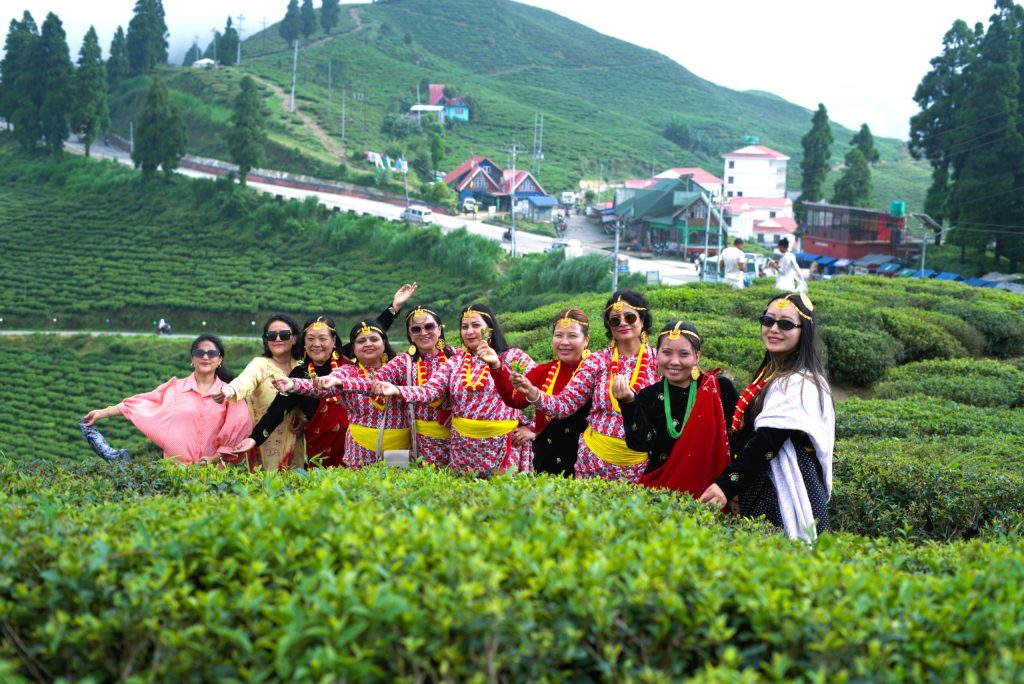
Shree Antu offers tourism for every budget
Speaking at the programme, Kanchana Baral, Treasurer of the Antu Tourism Entrepreneurs Association, said Shree Antu has become one of Nepal’s premier sunrise viewing destinations while also offering rich natural, religious and historical attractions. She noted that the destination now caters to a wide range of visitors, from budget travelers seeking comfortable homestay accommodation to tourists looking for premium hospitality, with a four-star standard hotel already in operation.
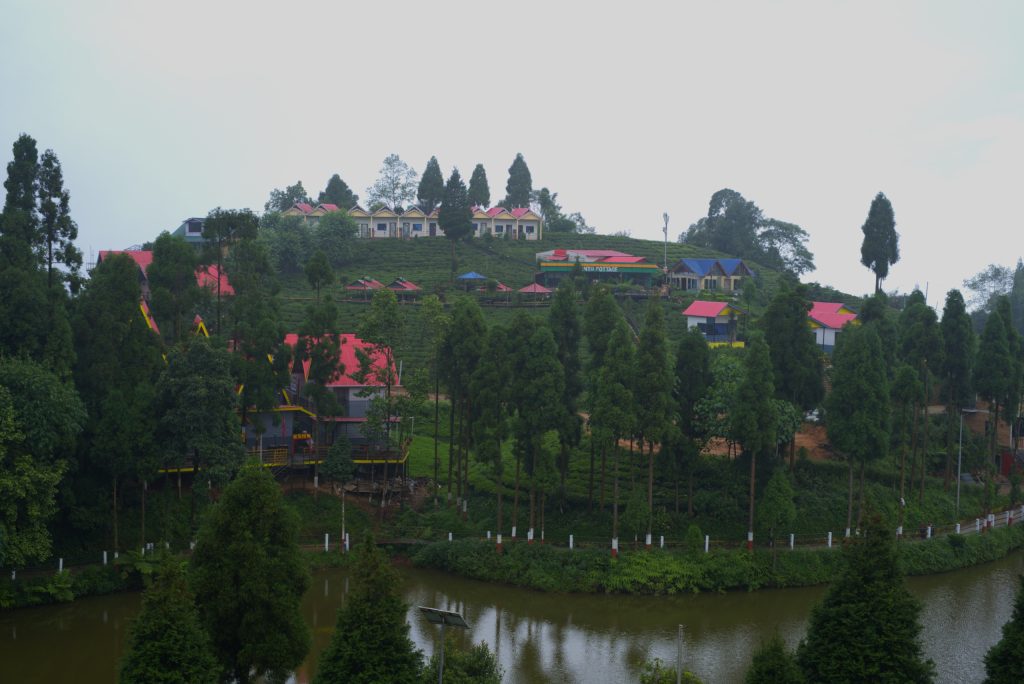
Baral called for increased government investment in tourism infrastructure based on studies of local tourism potential and urged authorities to adopt balanced policies that prioritize both tourism promotion and conservation.
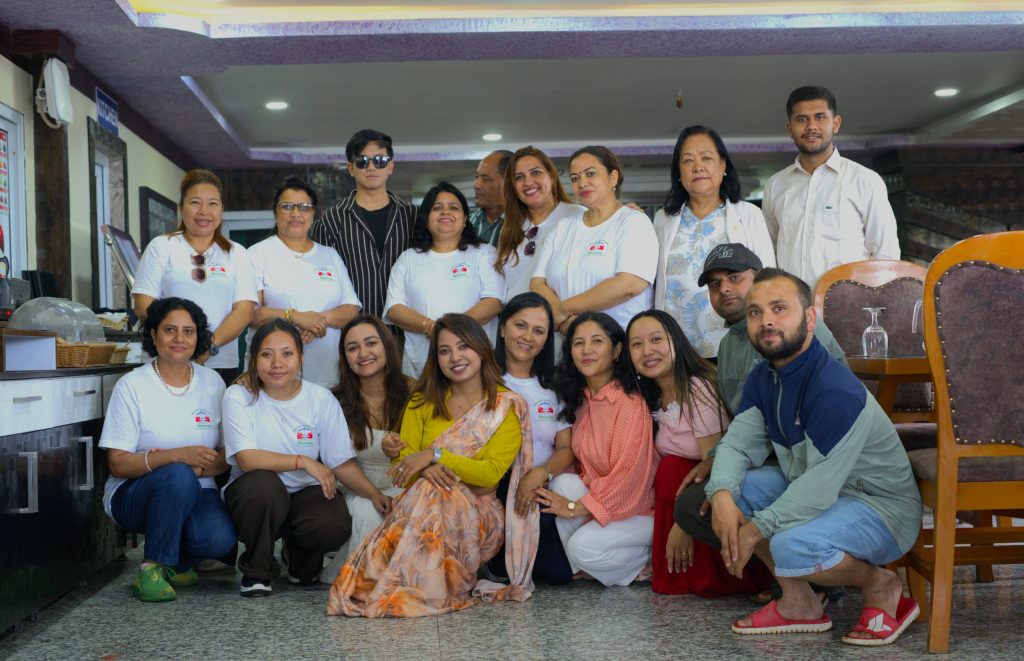
Homestays driving rural tourism
Dhan Kumar Ale, Chairperson of the Antu Danda Community Homestay, described homestays as one of the most effective tools for promoting rural tourism in Nepal. He said strengthening homestay networks across eastern Nepal would significantly contribute to expanding tourism into rural communities.
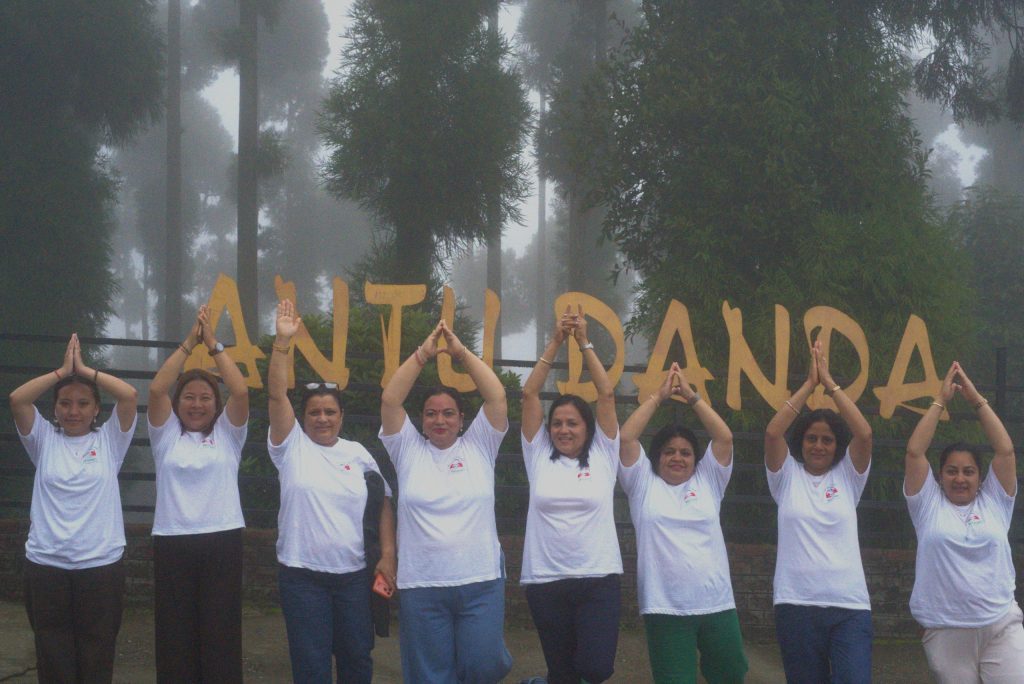
According to Ale, the region offers remarkable tourism diversity, allowing visitors to experience varying climates, breathtaking natural scenery, rich biodiversity and distinct cultural traditions within relatively short travel distances, making eastern Nepal an ideal multi-dimensional tourism destination.
Local government prioritizing tourism infrastructure
Ward Chairperson Urgen Bomjan of Suryodaya Municipality-5 said the local government has identified tourism as one of its key development priorities. He stated that investments are being made in road construction, trekking trails, tourism infrastructure, destination conservation and promotional activities to improve the area’s tourism competitiveness.
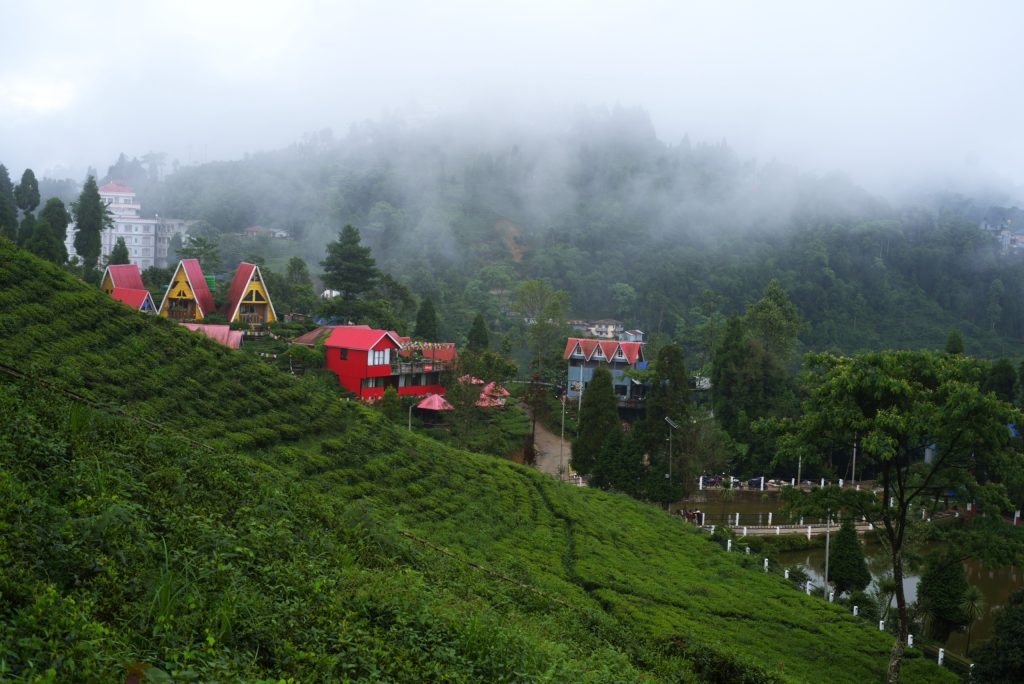
Bomjan added that various tourism infrastructure and destination development projects have received budget allocations in the current fiscal year. The municipality is also prioritizing programmes that engage women, children and local communities in tourism development. He expressed confidence that stronger cooperation among local governments, private sector stakeholders and tourism organizations would further accelerate tourism growth across the region.
Sustainable tourism at the heart of the campaign
During the week-long promotional tour, participants held extensive discussions with local governments, tourism entrepreneurs and community representatives on tourism opportunities, destination branding, infrastructure development and the prospects of cross-border tourism.
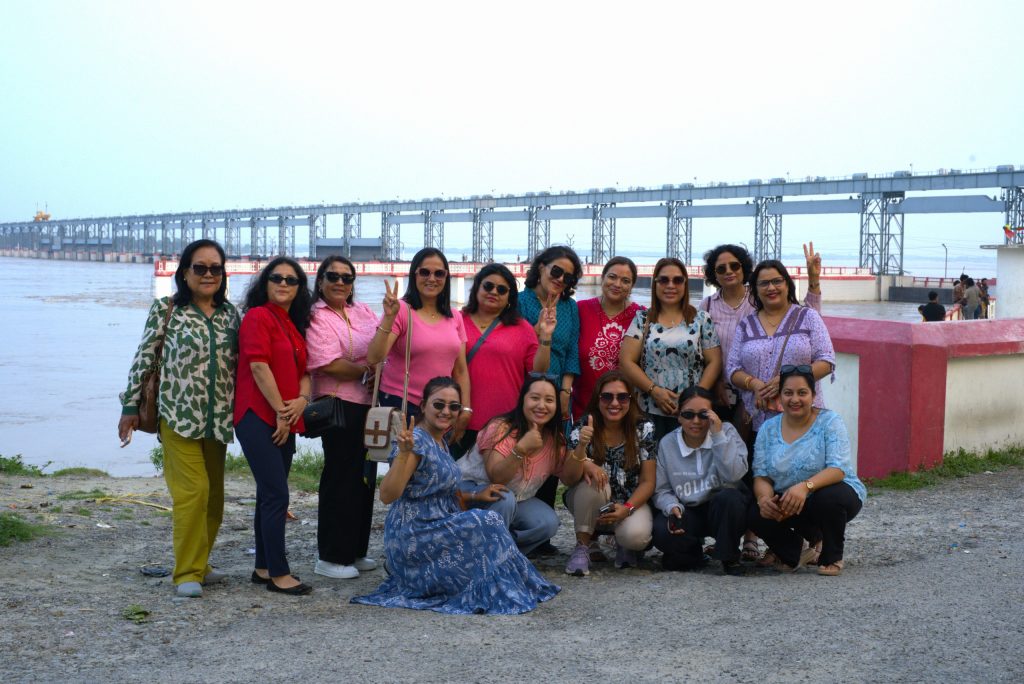
According to the Women Tourism Entrepreneurs Network, such promotional campaigns are expected to enhance the visibility of emerging destinations in domestic and international markets while generating employment, increasing local incomes, empowering women entrepreneurs and expanding rural tourism.
The network said it plans to continue organizing similar promotional programmes across different provinces of Nepal to connect local tourism destinations with broader national and global tourism markets while promoting sustainable and inclusive tourism development.
Photo Courtesy: Subash Thapa