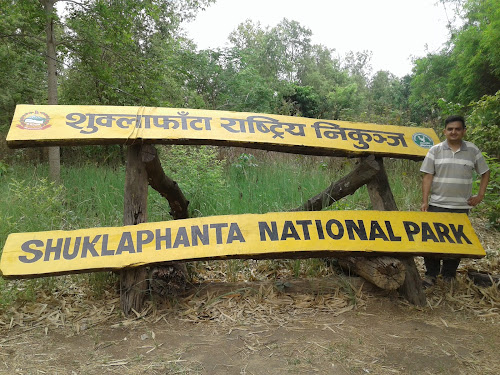
Tourists are increasingly choosing Shuklaphanta National Park as their destination. It has gained popularity among both domestic and foreign tourists due to its tranquil surroundings, expansive grasslands, and the chance to see a variety of wild animals in a small area.
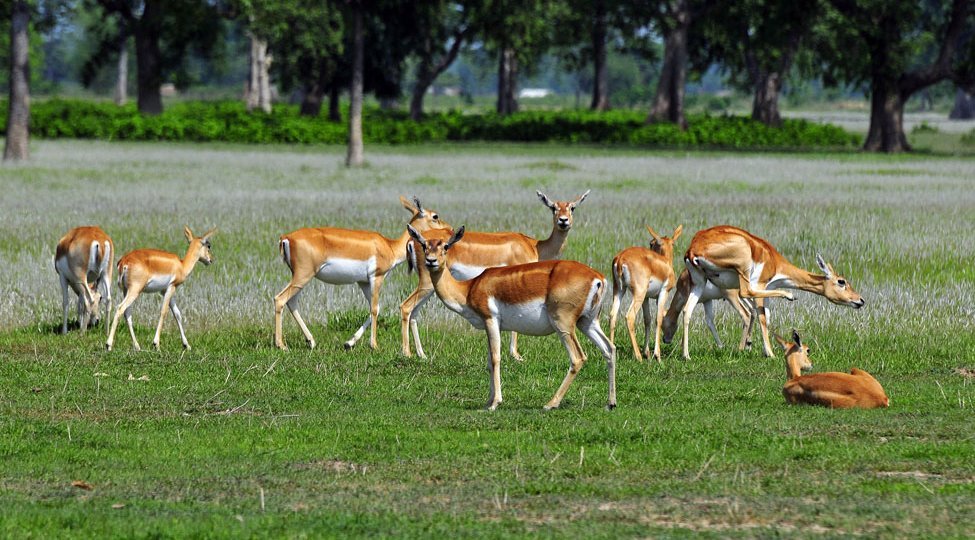
One of the largest continuous grasslands in the world can be found in Shuklaphanta, which is 24 kilometers from the park’s entrance. The park, which covers 305 square kilometers, is especially well-known for its large herds of barasingha (swamp deer).
Shuklaphanta
These deer frequently greet visitors with their striking six-branched antlers. One of the main draws for tourists is the opportunity to see these herds up close. The dancing peacocks, which captivate onlookers, are another amazing sight in the grasslands. Tiger sightings are also known to occur occasionally in the area. Tiger sightings are common in the park’s eastern region, which includes Barkhola, Phanta, and the Chaudhar River. In 1967, King Mahendra of Nepal is reported to have hunted here and stayed overnight in what is now Dudhiya Camp.
March through July are the best months to visit Shuklaphanta. The area feels like a little piece of paradise in the springtime thanks to the colorful wildflowers. Numerous smaller grasslands within the park are home to a variety of bird species. Blackbuck conservation efforts are being carried out in Hirapur Phanta, which is located in the eastern region.
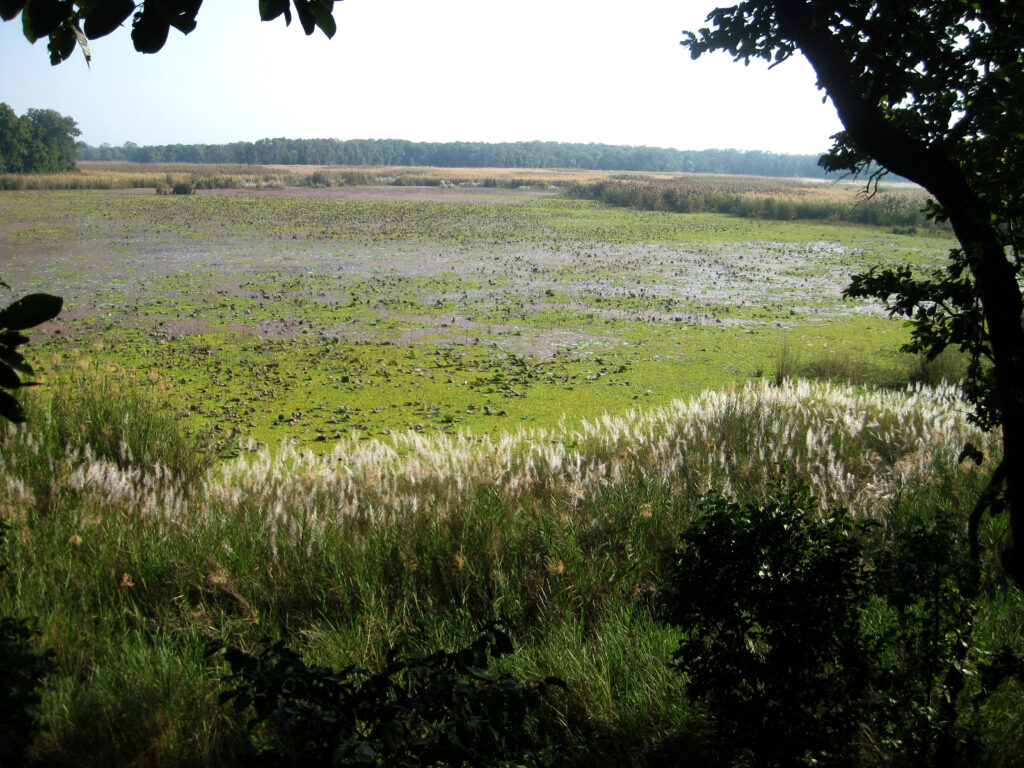
There are two primary entrances to the park: Barkhola and Rani Tal. In the grasslands, four wooden watchtowers have been erected so that visitors can take pictures and observe the wildlife. Rani Tal and several other smaller ponds are located within the park. Numerous birds and crocodiles call these places home. Locals claim that Rani Tal got its name from King Singhpal’s queens, who would bathe there.
Shuklaphanta is renowned for its rare plant species in addition to its wildlife. There are 12 different species of reptiles, 20 amphibians, 24 fish, 35 butterflies, 80 to 90 nilgai, and more than 449 bird species in the park. This area is also home to some globally rare species, including the sarus crane, lesser adjutant, swamp francolin, Bengal florican, and lesser florican.
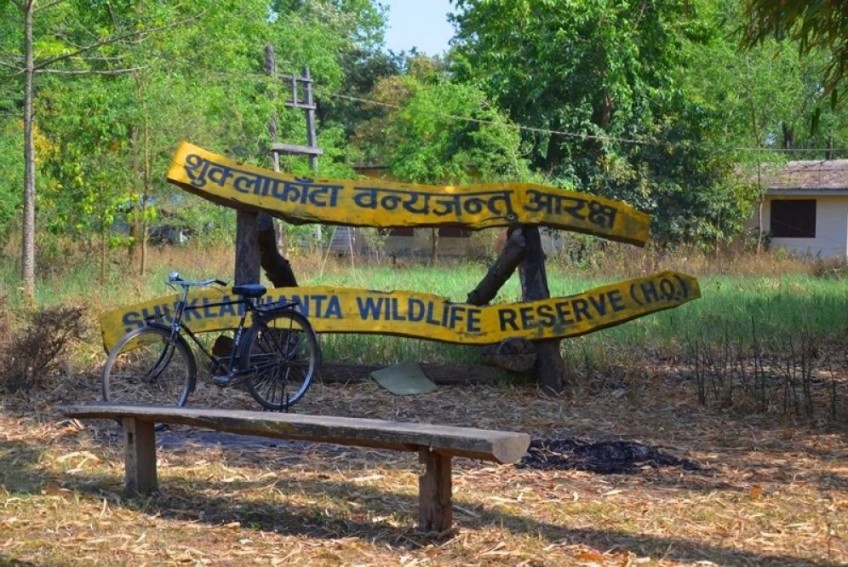
The park is home to over 53 species of mammals, including tigers, one-horned rhinos, elephants, barasingha, blackbucks, pangolins, nilgai, leopards, spotted deer, langurs, jungle cats, hispid hares, and wild boars. At the moment, the park is home to 42 tigers, 16 one-horned rhinos, and 25 wild elephants. Elephant rides are available to guests at Pipalriya, which is on the edge of the park.
Purushottam Wagle, the park’s information officer, claims that more people have been visiting lately. 2,388 foreign visitors and 2,181 Nepalis visited the park between October and mid-April of this fiscal year; the majority of the foreign visitors were from France and Spain. Foreign tourists are particularly excited when they see several rare species in one location, such as birds, barasingha, tigers, and rhinos, according to nature guide Bishnu Prasad Paneru.
According to resident Ramesh Pant, Shuklaphanta is a great tourist destination with a lot of potential to draw visitors from abroad, particularly given the proximity of important Indian cities. He urges government investment in infrastructure and adds that sites like Jhilimila Lake and the Dodhara Chandani suspension bridge can act as auxiliary destinations. He highlights the necessity of coordinated action by all three levels of government to facilitate tourism, given the growing number of tourists entering Nepal through the western Gaddachauki border.