The Department of Hydrology and Meteorology (DHM) has forecasted generally cloudy weather across Nepal due to the active influence of monsoon winds. As the monsoon trough, or low-pressure line, remains slightly north of its average position in the eastern region, various parts of the country are expected to experience light to moderate rainfall, accompanied by thunder and lightning.
Monsoon System Remains Active Across the Country
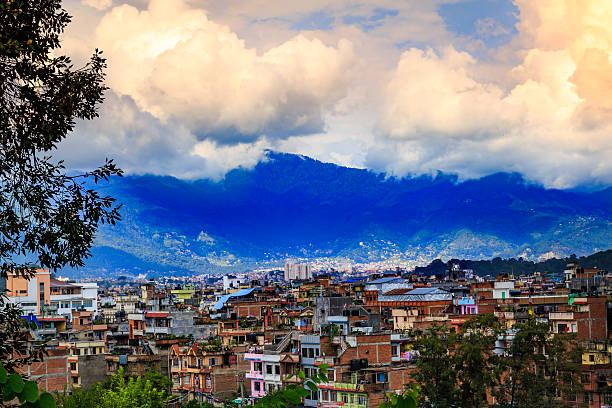
According to DHM, the monsoon low-pressure line’s displacement towards the north has intensified the moisture-laden winds across the Himalayan region. This movement is causing a surge in precipitation activity over several provinces. As a result, most parts of Nepal will remain under cloudy skies throughout the day and into the night.
The monsoon season, which typically brings significant rainfall between June and September, is in full swing, and its current trajectory is expected to persist for the coming days. With the atmosphere saturated and dynamic conditions persisting, forecasters are urging the public to remain cautious, especially in areas prone to landslides and floods.

Rain and Thunderstorms Expected in Hilly and Mountainous Areas
The DHM bulletin stated that light to moderate rainfall with thunder and lightning is likely to occur in parts of the mountainous regions, including Koshi, Madhesh, Bagmati, Gandaki, Lumbini, and Sudurpashchim Provinces. A few areas in the remaining provinces may also witness similar weather patterns.
This precipitation will particularly affect the mid-hill and high-hill districts where the terrain and vegetation often interact with monsoon clouds, causing enhanced rainfall. Local residents and tourists traveling to these areas are advised to prepare accordingly, especially if they are venturing into areas with poor road infrastructure or limited access to emergency services.
Risk of Heavy Rain in Specific Provinces
The Department has also warned of the possibility of heavy rainfall at one or two locations in Koshi, Bagmati, Gandaki, Lumbini, and Karnali Provinces. Heavy rains in these areas could lead to localized flooding, soil erosion, and potential landslides, especially in vulnerable mountain slopes and recently deforested areas.
Given Nepal’s topographical complexity and susceptibility to water-induced disasters, the government agencies and local bodies are on alert. The National Disaster Risk Reduction and Management Authority (NDRRMA) has also urged residents in high-risk zones to stay updated through official channels and to be ready to evacuate if needed.
Light to Moderate Rain or Snowfall in High-Himalayan Regions
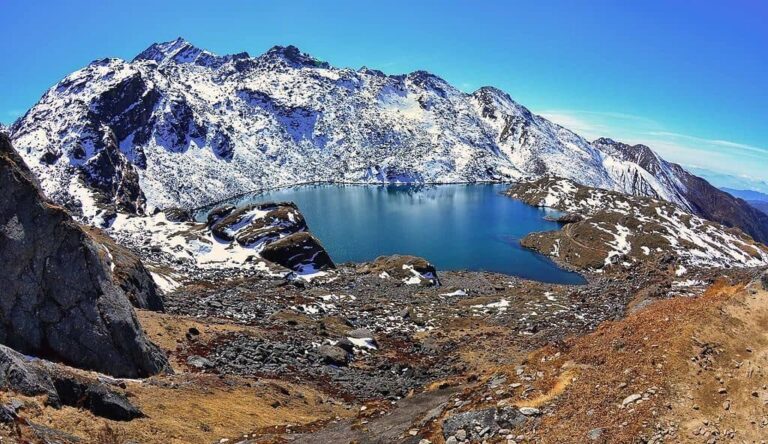
The Department has forecasted that a few locations in the high mountainous and Himalayan regions of the country may witness light to moderate rain or even snowfall. While summer snow is uncommon, it is not unprecedented at high elevations, especially above 4,500 meters.
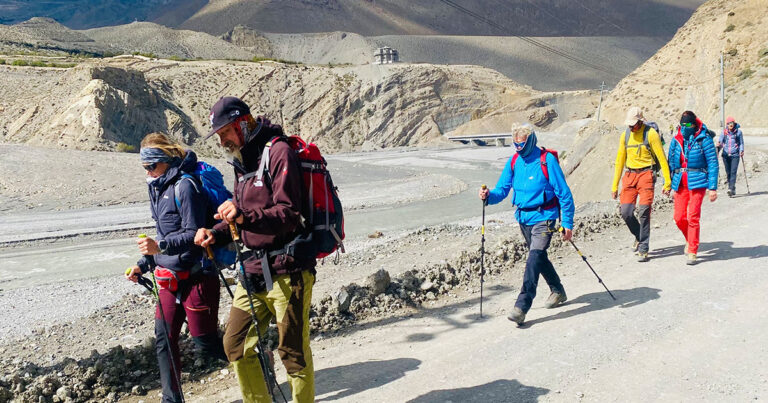
This forecast is crucial for mountaineers, trekkers, and local communities living in or near the Himalayan belt. The sudden drop in temperature due to precipitation in these areas can lead to dangerous conditions such as hypothermia, slippery trails, and difficulty in transportation and communication.
Continued Rainfall Expected Tonight
The DHM has indicated that the weather system will persist into the night, with light to moderate rain expected in some areas of Koshi, Madhesh, Bagmati, Gandaki, and Lumbini Provinces. A few other areas across the country may also receive intermittent rain showers. The possibility of heavy rainfall continues to linger over one or two locations in Koshi and Lumbini Provinces, demanding continued vigilance from the public and authorities.
Additionally, light to moderate snowfall may occur in parts of the high-hilly and Himalayan zones overnight. Travelers in these regions are advised to delay any non-essential travel or trekking plans due to potential safety hazards.
Public Advised to Remain Cautious
As the monsoon continues to dominate the weather pattern, the DHM has urged the public to take necessary precautions. Commuters and residents living near rivers, steep slopes, or flood-prone zones are especially encouraged to remain updated via official advisories.
Meanwhile, the Meteorological Forecasting Division continues to monitor weather patterns through satellite and ground-based stations. They are providing regular updates to help mitigate the impact of adverse weather.
Emergency services, including the Nepal Army, Armed Police Force, and local disaster response teams, remain on standby for any eventualities that might arise from excessive rainfall or natural disasters triggered by the monsoon.
The monsoon season plays a critical role in Nepal’s agricultural economy but also brings with it risks that need to be managed carefully. The Department of Hydrology and Meteorology’s latest updates underline the importance of preparedness, timely information dissemination, and responsible travel behavior during this period.
As cloud cover dominates the skyline and rainfall patterns become increasingly active, all stakeholders, from local governments to citizens, must act collectively to ensure safety, resilience, and continuity in daily life amidst Nepal’s powerful monsoon environment.