Nepal is currently experiencing the full force of the monsoon season as active monsoon winds sweep across the country. According to the Weather Forecasting Division under the Department of Hydrology and Meteorology, significant weather activity is expected to continue throughout the day and night, with most provinces bracing for heavy rainfall, cloud cover, and even snowfall in high-altitude areas.
As per the Division’s latest bulletin, the overall weather condition across Nepal will remain generally cloudy. Provinces such as Koshi, Bagmati, Gandaki, and Lumbini are particularly expected to receive heavy rainfall at some places, especially in the upper hilly and mountainous areas. These regions are also forecast to witness moderate rains and possibly snowfall in the higher elevations.

The presence of dense cloud cover throughout the country is attributed to the active monsoon wind system originating from the Bay of Bengal, which typically brings moisture-laden air masses into Nepal during this time of the year. The convergence of these moist winds with the country’s complex topography often results in intense weather phenomena, including thunderstorms, heavy rain showers, and landslides in vulnerable regions.
The weather office has also predicted that tonight will remain mostly cloudy, with light to moderate rainfall occurring in several hilly areas across Koshi, Gandaki, Lumbini, Karnali, and Sudurpaschim provinces. While these rains are part of the seasonal monsoon cycle, they can cause localized impacts such as flash floods, landslides, and swollen river systems, particularly in areas with weak infrastructure or poor drainage systems.
Meteorologists have urged local governments and the general public to remain alert and take necessary precautions. The Disaster Risk Reduction and Management Authority has also issued alerts in landslide-prone districts, advising residents to stay updated with official bulletins and avoid traveling in risk zones unless necessary.
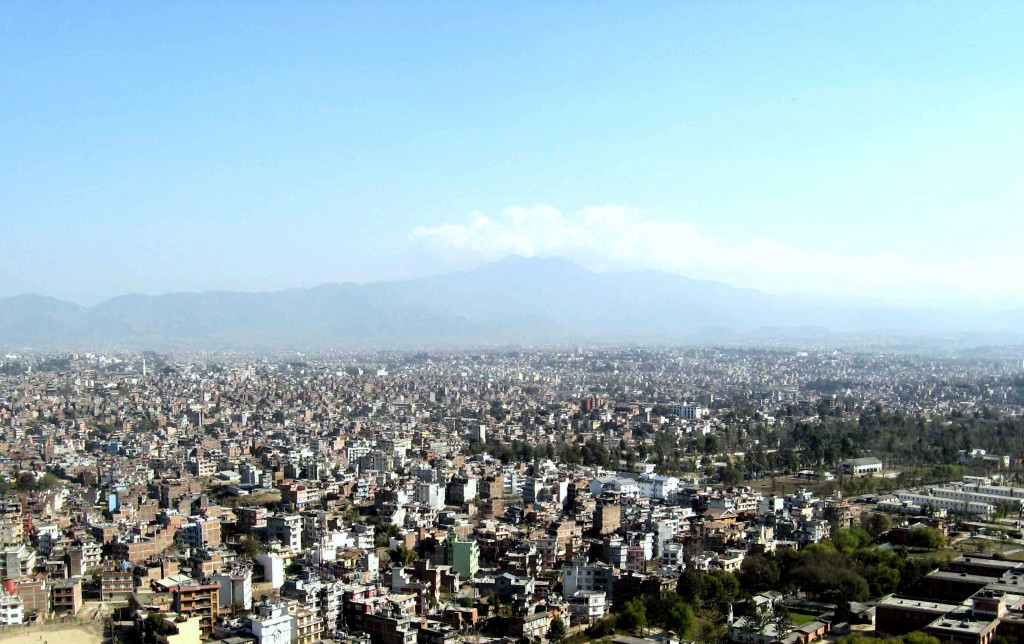
In the Koshi Province, districts such as Ilam, Taplejung, and Sankhuwasabha, known for their steep terrain and fragile ecosystems, are particularly vulnerable to weather-related disruptions. Similarly, Gandaki and Bagmati Provinces, which include key tourist destinations like Pokhara and Chitwan, could also face challenges due to the expected heavy rains and poor visibility, affecting both transportation and daily life.
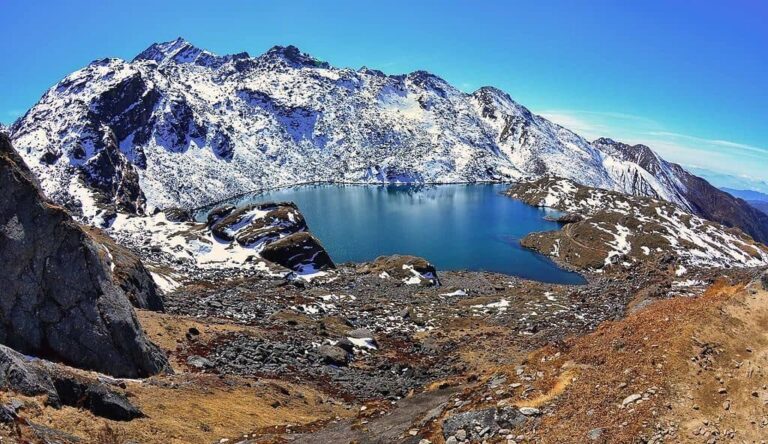
Furthermore, in high mountain areas, including parts of the Manaslu, Langtang, and Annapurna regions, moderate snowfall is anticipated. While this is not unusual for this time of year, it could hinder trekking routes and affect the livelihoods of local communities dependent on tourism and trade.
The Lumbini Province, home to many lowland areas with high population density and agricultural activity, is also on alert. Heavy rainfall here can lead to waterlogging in urban areas and crop damage in rural farmlands.
Authorities have asked travelers and residents in affected areas to stay informed through weather alerts and local communication channels. Transport operators, especially those operating long-distance and mountain routes, have been advised to exercise caution and ensure vehicle safety standards are met during this wet spell.
While monsoon rains are crucial for replenishing water sources, irrigating farmland, and supporting Nepal’s agriculture-based economy, excessive and unregulated rainfall within a short time frame can become destructive. Last year, monsoon-induced disasters led to significant economic and human losses, which prompted the government to invest in early warning systems and community awareness programs.

The current monsoon pattern is expected to persist in the coming days, and meteorologists will continue to monitor its intensity and movement. The Weather Forecasting Division will be providing regular updates to inform and prepare the public.
Residents across Nepal are therefore urged to be cautious, avoid unnecessary travel in landslide-prone areas, and stay connected with local authorities for emergency support. With timely information, preparedness, and community cooperation, the impact of the monsoon can be managed more effectively, ensuring safety and continuity in day-to-day life during this dynamic weather period.