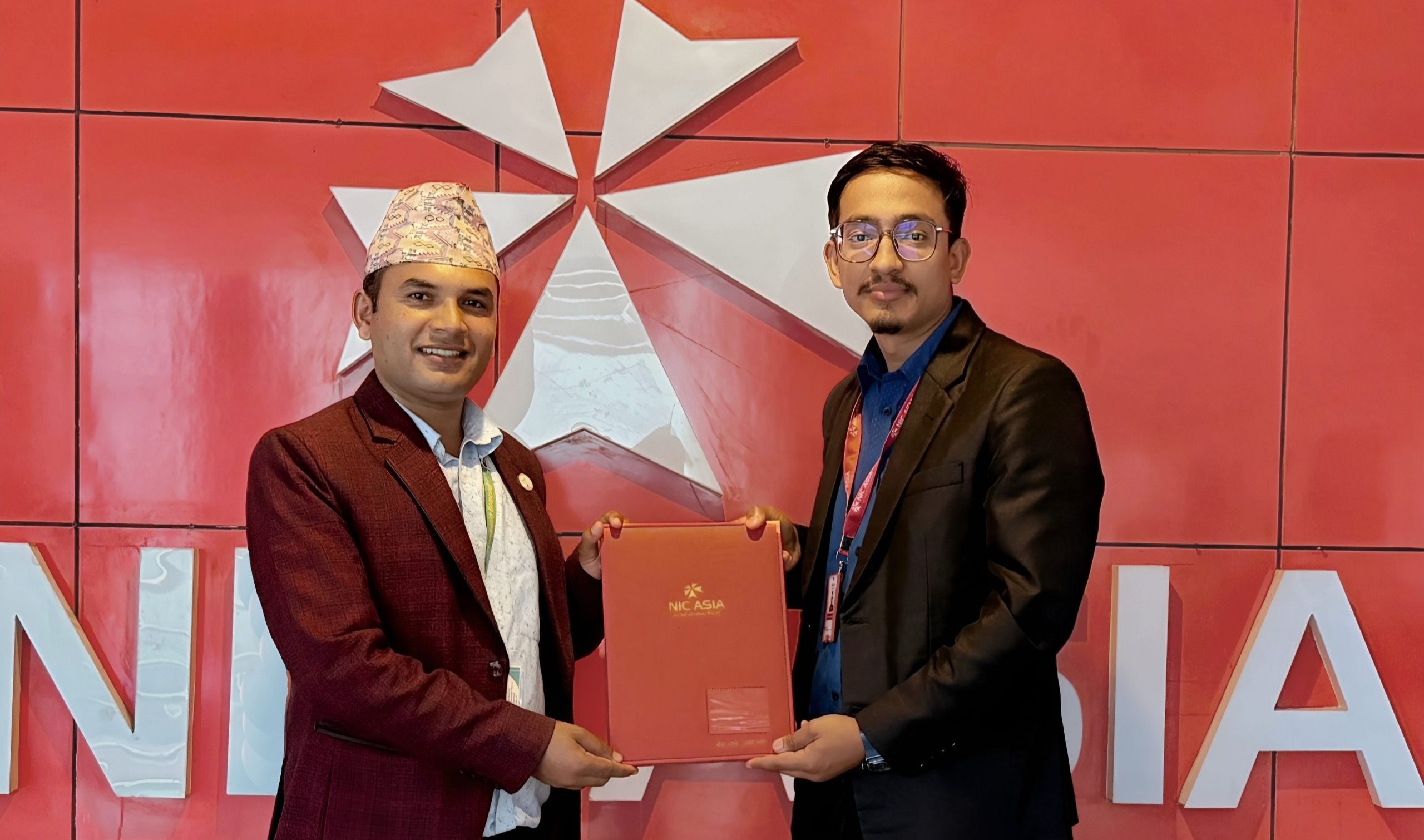
In a significant initiative aimed at enhancing digital financial inclusion and promoting sustainable rural tourism, NIC Asia Bank has entered into an agreement with Nagarkot Community Homestay to provide special discounts to its customers. As per the agreement, customers of NIC Asia Bank can now avail a 10 percent discount when making digital payments for homestay services offered by Nagarkot Community Homestay, operated by 17 local households in the Changunarayan area of Bhaktapur.
Digital Payment Meets Rural Hospitality
With this partnership, NIC Asia Bank has taken another step forward in promoting its mobile banking platform “MoBank” as a reliable, secure, and convenient tool for making transactions. Bank customers wishing to experience the authentic hospitality of Nagarkot’s community-run homestays can now enjoy not just the scenic beauty and cultural richness of the region, but also financial benefits when paying via the bank’s mobile app. This collaboration is a part of the bank’s broader commitment to encourage digital empowerment and ease of access to financial tools across Nepal.
The discount offer is applicable exclusively for payments made digitally through NIC Asia’s MoBank app, ensuring that both the customers and the local service providers benefit from a cashless, transparent system. The bank has emphasized that this model not only supports the digital economy but also empowers local communities by providing them access to secure and traceable revenue streams.
Boosting Community-Based Tourism
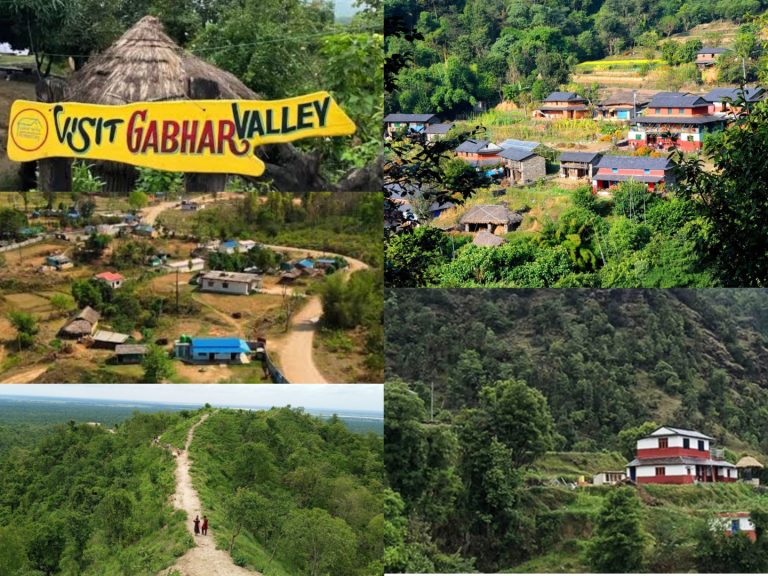
The Nagarkot Community Homestay, situated in the culturally and naturally rich region of Changunarayan, has been a growing example of community-driven tourism. Managed and operated by local families, the homestay offers travelers a unique experience rooted in local tradition, food, and hospitality, set against the picturesque backdrop of Nagarkot’s famed hills and sunrise views. With 17 households working together, the initiative has contributed significantly to generating local income, preserving traditional practices, and promoting environmental sustainability.
The partnership with NIC Asia Bank is expected to further enhance the visibility and accessibility of these homestays by integrating them into the country’s growing digital financial ecosystem. The bank believes that such collaborations can play a key role in decentralizing tourism, distributing its benefits beyond major cities and hotel chains, and fostering inclusive economic growth in rural and semi-urban areas.
Aligning with Sustainable Development Goals
NIC Asia Bank has been at the forefront of introducing innovative banking solutions that align with the Sustainable Development Goals (SDGs). The bank considers this agreement a critical contribution to SDG targets related to decent work and economic growth, reduced inequalities, sustainable cities and communities, and innovation and infrastructure.
By encouraging digital payments in rural tourism services, the bank aims to reduce dependence on cash transactions, improve record-keeping for small businesses, and bring informal service providers into the formal financial system. This, in turn, enhances their creditworthiness, opening doors to future funding, training, and growth opportunities.
Furthermore, the bank’s initiative supports gender empowerment, as many of the homestay operators in Nagarkot are women. The income generated through homestay services contributes to household stability, children’s education, and health, all of which are central to broader social development.
Simplicity, Security, and Savings for Customers
From the customer’s point of view, the partnership offers a trifecta of benefits, simplicity, security, and savings. Making payments via MoBank is as easy as scanning a QR code or entering a few details, eliminating the need for carrying cash. The security of a bank-regulated app ensures that payments are processed safely, while the 10% discount provides a tangible incentive to choose digital transactions.
NIC Asia Bank also sees this partnership as an opportunity to expand digital banking awareness among its customers. While urban users are increasingly familiar with mobile banking, initiatives like these can encourage new users to adopt and trust digital platforms, especially when linked to real-life experiences like travel and tourism.
A Model for Future Collaborations
As the tourism industry recovers from the impacts of the COVID-19 pandemic, innovative partnerships such as this one between NIC Asia Bank and Nagarkot Community Homestay are setting a new precedent. The model offers a win-win scenario: tourists get better value and convenience, local communities gain visibility and income, and the banking sector advances its goals of digital expansion and financial inclusion.
The bank has expressed optimism that this initiative will serve as a model for similar partnerships with other homestays, eco-lodges, and rural tourism businesses across Nepal. In the coming days, NIC Asia Bank plans to explore more such agreements in other parts of the country where community-based tourism has potential.
Fostering Responsible Tourism
This collaboration also has implications for promoting responsible and eco-friendly tourism. With the integration of digital payments, the environmental footprint associated with physical currency handling is reduced. Additionally, transparent payment systems help in proper monitoring of visitor flow and financial reporting, which is essential for sustainable tourism management.
NIC Asia Bank’s move reflects a growing awareness that banking is not just about transactions but about creating value for communities, environments, and individuals. By linking technology, tradition, and tourism, the partnership with Nagarkot Community Homestay represents a forward-looking strategy that balances innovation with cultural preservation.
As more travelers seek authentic and meaningful experiences, and as local communities look for resilient and sustainable income sources, such collaborations stand out as beacons of progress, blending the power of finance with the richness of heritage.