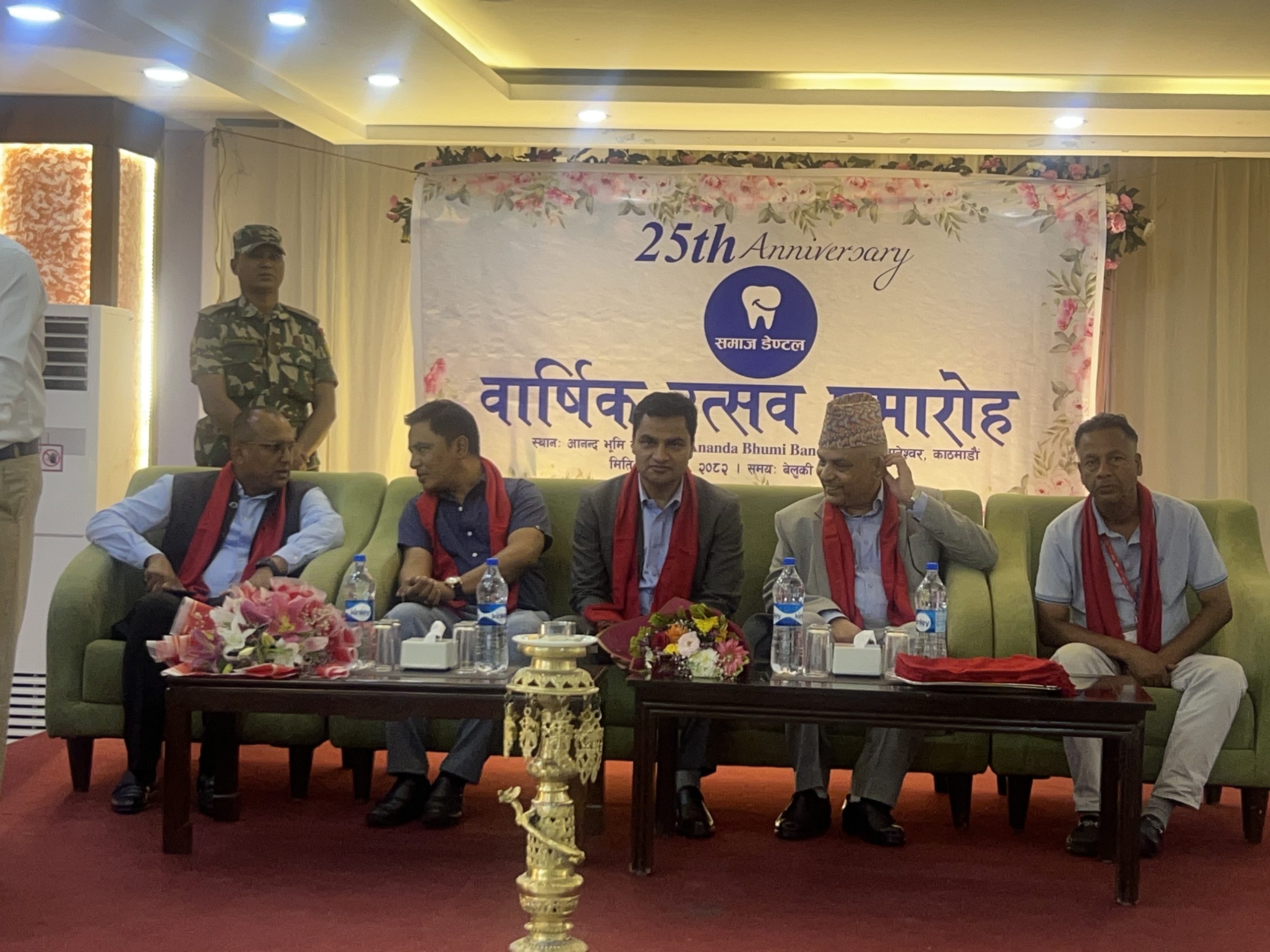
Nepal is increasingly embracing the potential of medical tourism, and a key area being targeted for its development is dental healthcare. Speaking at the 25th anniversary celebration of Samaj Dental Hospital, Minister for Health and Population Pradeep Poudel highlighted the necessity of expanding and organizing the dental sector as a strategic step toward enhancing Nepal’s appeal as a destination for medical tourists. This vision comes at a time when the country is actively working to diversify and strengthen its tourism sector, which has traditionally relied on trekking, heritage, and spiritual tourism.
Medical Tourism and Nepal’s Competitive Advantage
“Medical tourism is an emerging avenue with great potential for Nepal,” said Minister Poudel. He emphasized that in order to attract international patients, the reliability of dental and eye treatments in Nepal must be further enhanced. He stated, “Dental treatment plays a vital role in the development of medical tourism. To foster it, we need to broaden the reach of dental services and invest in strategic promotion.”
Nepal already enjoys a growing reputation in ophthalmology, with hospitals like Tilganga Eye Centre drawing international patients. Minister Poudel pointed out that similar momentum must now be channeled into dental services, which can become another pillar of Nepal’s healthcare-driven tourism model.
Legal Reforms and Institutional Strengthening
The Minister further pledged to work with relevant stakeholders to ensure that the legal and institutional framework supports the development of medical tourism. He noted that Nepal’s dental services are gaining recognition abroad, and the image of “reliable and affordable dental care” should be reinforced with better regulation and targeted investment. “We will coordinate with all stakeholders to resolve the legal complexities and create an ecosystem conducive for both patients and healthcare providers,” Poudel said.
His remarks reflect a broader governmental shift toward turning Nepal into a regional hub for low-cost, high-quality health services, especially as global healthcare costs continue to rise. International tourists, particularly from South Asia, the Middle East, and even Western nations, increasingly seek dental and cosmetic treatments abroad to save costs, and Nepal wants to tap into this growing demand.
Samaj Dental Hospital’s Contribution and Vision
Samaj Dental Hospital, which marked its 25th anniversary, has been at the forefront of offering specialized dental services across the Kathmandu Valley. On this occasion, hospital founder and Nepali Congress Chief Whip Shyam Kumar Ghimire shared the institution’s vision to expand services nationwide. “This institution was established with the mission of spreading awareness about dental health, ensuring accessibility to ordinary citizens, and producing skilled human resources,” he said.
Managing Director Shanku Ghimire highlighted that since its inception on 1st Shrawan 2058 B.S., the hospital has grown into a network with 10 branches across Kathmandu, Lalitpur, Bhaktapur, and Kavre. With a bold goal to establish services in all 77 districts of Nepal, the hospital aims to take affordable and specialized care to the most remote corners of the country. On the same occasion, he also announced the establishment of a NPR 10 million treatment fund to assist impoverished and underprivileged patients, demonstrating a strong commitment to equity in healthcare.
Public-Private Partnership and Municipal Support
Leaders from various municipalities and industry associations also echoed the importance of collaboration between the government and private sector. Ward Chairpersons Saroj Dhakal (Kathmandu-31), Krishna Hari Acharya (Madhyapur Thimi-3), and Pradeep Karki (Suryabinayak-2), emphasized the need to ensure every citizen receives access to quality dental care.
Dr. Pradeep Bhandari, General Secretary of the Nepal Dental Association, and Shalikram Aryal, President of the Nepal Dental Materials Distributors’ Association, also joined the event. They stressed the need for coordinated efforts to maintain service standards and ensure the supply of quality dental equipment.
Naveen Luintel, President of the Baneshwor Chamber of Commerce and Industry, expressed that dental tourism not only improves the health sector but also contributes to the local economy, including hospitality, transportation, and retail industries, thereby helping to revitalize urban centers like Kathmandu, Bhaktapur, and Lalitpur as hubs of health-based travel.
Tourism and Healthcare – A Synergistic Future
Dental tourism is emerging as a strategic link between healthcare and tourism, offering Nepal the chance to welcome foreign patients while promoting longer stays and deeper engagement with the local culture. Tourists who come for treatment often travel with family members and seek wellness experiences, thereby contributing to hotel occupancy, food services, transportation, and even pilgrimage or leisure travel. This model, already successful in countries like India, Thailand, and Malaysia, could become a significant component of Nepal’s tourism diversification strategy.
To capitalize on this trend, experts recommend the development of internationally accredited hospitals, multilingual service support, transparent pricing, and legal mechanisms that ensure quality and accountability. Nepal, with its low-cost advantage, skilled health professionals, and growing network of private healthcare providers, stands well-positioned to expand its tourism brand into the health and wellness domain.
As the country moves forward, efforts to integrate healthcare and tourism are no longer just complementary but essential. With continued government support, institutional commitment like that shown by Samaj Dental Hospital, and increasing public-private collaboration, Nepal may well become a rising destination for medical tourism, not just for adventure and culture, but for healing and smiles.