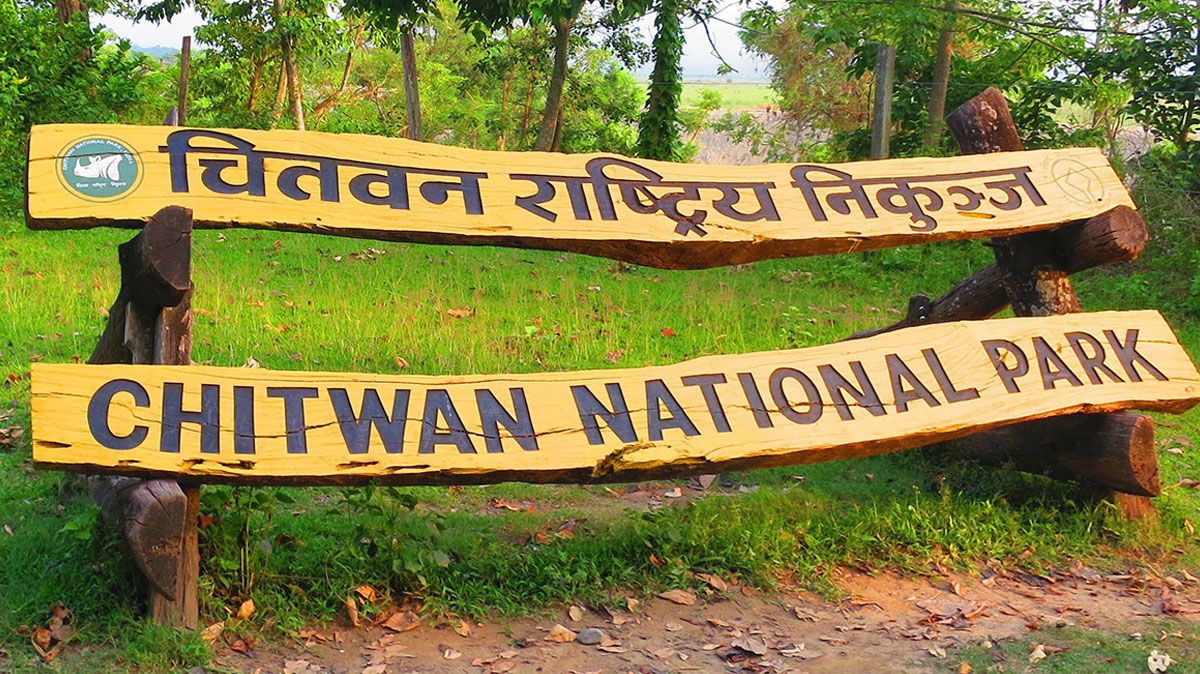
Chitwan National Park, one of Nepal’s most renowned and ecologically diverse protected areas, has witnessed a significant decline in the number of visitors over the past fiscal year. According to the park administration, the number of tourists visiting the park has dropped by nearly 25 percent compared to the previous year. This decline has raised concerns among tourism stakeholders and conservationists alike.
Statistics Reveal a Major Decline in Tourist Footfall
As per Abhinash Thapa Magar, the Information Officer at Chitwan National Park, the fiscal year 2081/82 (2024/25 AD) recorded a total of 231,329 visitors. This is a sharp decrease of 75,508 tourists compared to the previous fiscal year 2080/81 (2023/24 AD), which had welcomed 306,837 tourists. The statistics reveal that out of the total visitors this year, 117,206 were domestic tourists. The rest comprised international visitors, including those from South Asian countries as well as other regions.
The data also indicates that more men visited the park compared to women. Among the international visitors, 24,800 were from SAARC (South Asian Association for Regional Cooperation) nations, while 89,323 tourists were from non-SAARC countries. These numbers underscore a broader trend of declining interest or accessibility to one of Nepal’s top tourism destinations.
Seasonal Variation in Tourist Arrival
Chitwan National Park saw the highest number of visitors in the Nepali month of Kartik (October–November), which marks the peak tourist season due to favorable weather conditions and festive periods. During this month, a total of 32,252 tourists explored the park’s rich biodiversity and natural beauty. Conversely, the lowest turnout was recorded in Shrawan (July–August), traditionally known for heavy monsoon rains and travel disruptions, when only 7,309 tourists visited the park.
Infrastructure and Connectivity Issues to Blame
The park authorities and tourism entrepreneurs have identified poor infrastructure and road conditions as major reasons for the decline in tourist numbers. Information Officer Thapa Magar cited inadequate road infrastructure as a key deterrent. He expressed optimism that the number of tourists will rise again in the current fiscal year if necessary improvements are made to transportation facilities.
Adding to this concern, Dhurba Giri, President of the Restaurant and Bar Association (REBAN), Sauraha, pointed out multiple challenges affecting the tourism sector in Chitwan. According to Giri, the temporary suspension of nighttime international flights and the poor condition of highways connecting Chitwan to major urban centers such as Kathmandu and Pokhara have had a direct impact on tourist inflow. He emphasized that only through the development and maintenance of major highways and the resumption of night flights at international airports can the tourism sector in Chitwan regain its previous momentum.
Economic and Conservation Impacts
The decline in visitors has not only affected businesses in Sauraha, a major gateway to Chitwan National Park, but has also raised concerns about reduced revenue for conservation and park management efforts. Local hotels, restaurants, tour operators, and guides have all felt the economic pinch from the drop in tourist arrivals.
Despite the decline, Chitwan National Park continues to remain a favored destination for both domestic and international travelers due to its rich biodiversity. Tourists visit the park to observe rare wildlife such as the Bengal tiger, one-horned rhinoceros, gharials, and numerous bird species. The park also serves as an important site for botanical studies and eco-tourism, making it vital to address the challenges that are currently hindering tourism growth.
Hope for Revival in the Current Fiscal Year
Looking ahead, both government officials and tourism stakeholders remain hopeful that the current fiscal year 2082/83 will see a resurgence in visitor numbers. Plans to improve roads and aviation infrastructure are underway, and targeted promotion campaigns may help bring back tourists to the region.
The revival of tourism in Chitwan is crucial not just for local livelihoods but also for Nepal’s broader conservation goals. A healthy tourism industry supports anti-poaching efforts, environmental education, and habitat preservation. Hence, addressing the current infrastructural gaps and ensuring seamless travel experiences will be vital in reversing the downward trend in tourist numbers.