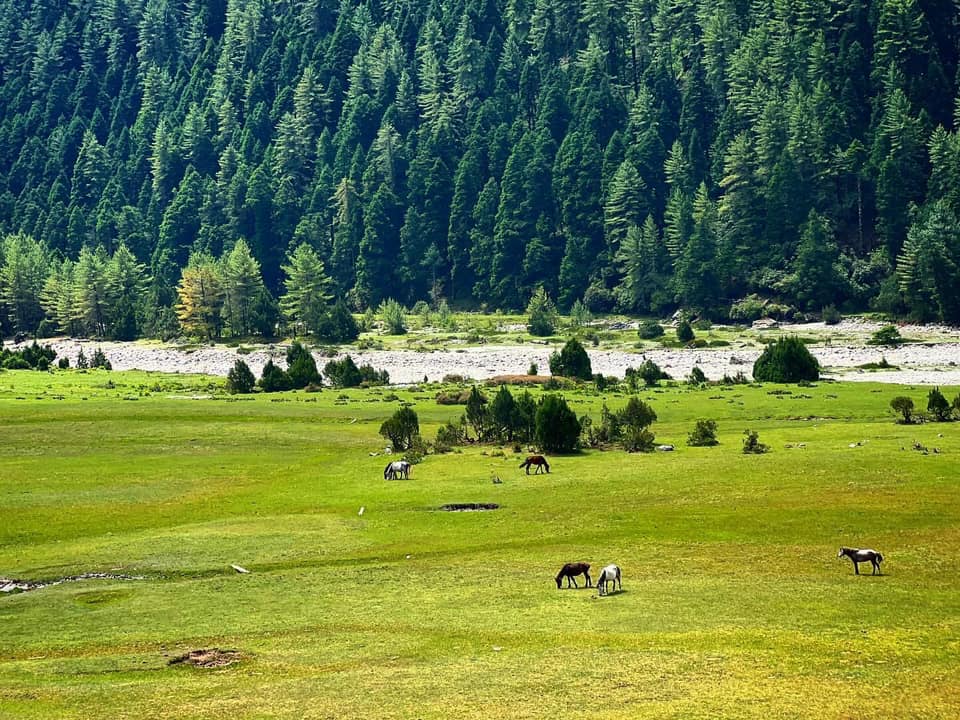
Tourism activity in Dhorpatan Hunting Reserve, Nepal’s only legal hunting conservation area, is seeing a significant rise in visitor numbers, especially among domestic travelers. According to the Dhorpatan Hunting Reserve Office in Baglung, the number of internal tourists visiting the reserve has increased by over 8,000 within a year, indicating growing interest in the area’s unique natural and cultural offerings.
Domestic Tourism on the Rise
As per Ranger Sagar Subedi of the Dhorpatan Hunting Reserve Office, the reserve welcomed 15,573 tourists during the fiscal year 2080/81. In the following year, 2081/82, that number surged to 23,692, marking an increase of over 8,000 visitors. While the majority of these were domestic travelers, the influx also included 213 international tourists and 12 SAARC nationals. This upward trend in domestic tourism has significantly impacted both the local economy and conservation awareness.
Infrastructure, Promotion, and Trekking Routes Driving Growth
Subedi attributes the increase in visitors to enhanced promotional activities, upgraded tourism infrastructure, and the growing popularity of trekking routes such as Bukipatan and Jaljala. These factors, he explains, have made the region more accessible and attractive to domestic adventure seekers, pilgrims, and nature lovers.
The Dhorpatan Valley, once known primarily for trophy hunting among foreign nationals, is now emerging as a multi-purpose destination. Tourists are increasingly drawn to its pristine landscapes, diverse wildlife, and cultural sites, including Nisheldhor, Dhor Baraha Temple, Bukipatan, and Jaljala. These destinations are now part of new trekking and cultural tourism itineraries promoted by local tourism entrepreneurs.
Revenue Generation and Entry Fees
The increased tourist traffic has also resulted in higher revenue for the government. Domestic tourists are required to pay an entry fee of NPR 100, and according to Subedi, over NPR 2 million in revenue was collected from entry fees alone in the last fiscal year. He notes that the combination of growing awareness, better accommodations, and support from the local community has created a sustainable tourism model that benefits both conservation efforts and the rural economy.
Shift from Trophy Hunting to Ecotourism
Historically, Dhorpatan was internationally known for regulated hunting expeditions, attracting a niche group of wealthy foreign hunters under strict permits. However, there has been a visible shift in recent years, with ecotourism, wildlife observation, pilgrimage, and high-altitude trekking becoming the new attractions. Ranger Subedi confirms that although a few foreigners still visit for hunting purposes, the majority of visitors now come to observe the reserve’s biodiversity, explore alpine valleys, and experience indigenous culture.
This transformation reflects a broader national trend toward sustainable tourism, where environmental conservation and community benefits are prioritized over extractive or exclusive tourism activities.
Local Accommodation and Package Tours Boosting Access
Ram Bahadur Gharti, operator of the Dhorpatan Community Homestay, reports that the growing number of visitors is partly due to the improved home-stay and hotel infrastructure, along with organized tour packages from Pokhara. Gharti explains that these services have significantly reduced the logistical barriers that once deterred travelers from venturing into remote areas like Dhorpatan.
Today, there are over two dozen hotels and community homestays operating in the valley, offering basic yet authentic lodging and food services. These facilities are often run by local families, providing visitors with a genuine taste of rural life while generating much-needed income for the host communities.
Trekking Above the Clouds: A New Frontier
From the Dhorpatan Valley at 2,900 meters above sea level to Bukipatan, which lies above 4,000 meters, the reserve offers a breathtaking variety of terrain. Trekking routes have become particularly popular among domestic youths, nature photographers, and pilgrimage groups.
The landscape, ranging from alpine meadows to high-altitude passes, showcases rare Himalayan flora and fauna, including blue sheep, Himalayan tahr, and the elusive snow leopard. These treks offer not only physical challenges but also spiritual rewards, with religious sites like Dhor Baraha Temple playing a central role in attracting devotees from surrounding districts and provinces.
Future Prospects and Sustainable Tourism
With increasing interest in nature-based and cultural tourism, Dhorpatan is well-positioned to become a model destination for eco-conscious travel in Nepal. However, stakeholders emphasize the importance of balancing growth with sustainability. Continued investment in trail maintenance, waste management, community training, and wildlife protection is essential to preserving the area’s fragile ecosystem while accommodating more visitors.
If managed responsibly, the rise in tourism in Dhorpatan could help reinvigorate local economies, promote biodiversity conservation, and place Nepal’s hidden gems more firmly on the global tourism map. Dhorpatan is transforming from a remote hunting preserve into a thriving destination for domestic travelers seeking beauty, spirituality, and adventure in one of Nepal’s most untouched natural sanctuaries.