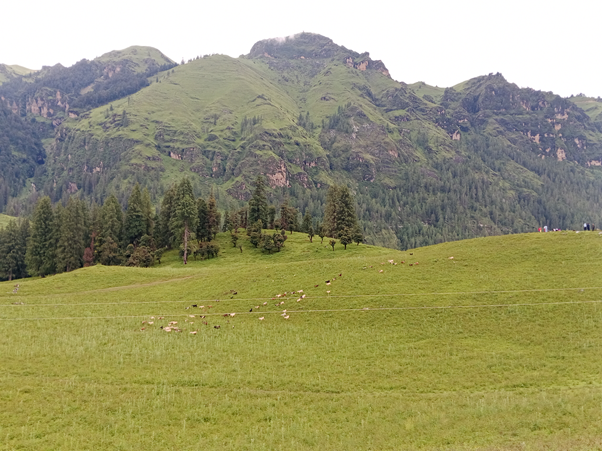
Dhimichaur, located in Ward No. 4 of Chandanath Municipality, has recently developed as a promising internal tourism destination. This place, endowed with natural beauty and scenic landscapes, is increasingly becoming a preferred spot for both domestic and external tourists.
Fragrant Flowers and Scenic Beauty Attract Visitors
Locals say that tourists come to enjoy the fragrance of flowers blooming in the meadows and to relish the serene and beautiful environment. The panoramic views add to the charm of this spot, making it an attractive getaway for nature lovers and travelers seeking peace and recreation.
Growing Tourist Influx Brings Economic Benefits
Chandanath Municipality’s Chief, Surendra Bahadur Mahat, mentioned that Dhimichaur’s appeal is attracting more internal tourists. The local government is actively focusing on promoting the area, facilitating tourism-related activities, and enhancing the region’s overall appeal.
“The road infrastructure leading to Dhimichaur has been expanded, and the municipality plans to further improve it. The spot is about an hour’s walk from the headquarters in Khalanga, and the footfall of domestic tourists is steadily increasing,” Mahat stated.
Dhimichaur: A Vast Meadow Amid Dense Forests
Nestled amidst dense forests lies a large open meadow, this is Dhimichaur. Particularly during the months of Shrawan and Bhadra (mid-July to mid-September), the area is bustling with tourists. On Fridays, Saturdays, and public holidays, the number of visitors swells, making the place lively and vibrant, said local resident Himmat Buddha Thapa.
Environmental Concerns with Rising Tourist Numbers
With the growing number of visitors, some environmental challenges have surfaced. Local resident Laxmi Khatri pointed out that with increased tourism activities, plastic wrappers from biscuits, instant noodles packets, glass bottles, Red Bull cans, and water bottles have been found scattered in the meadows and surrounding areas.
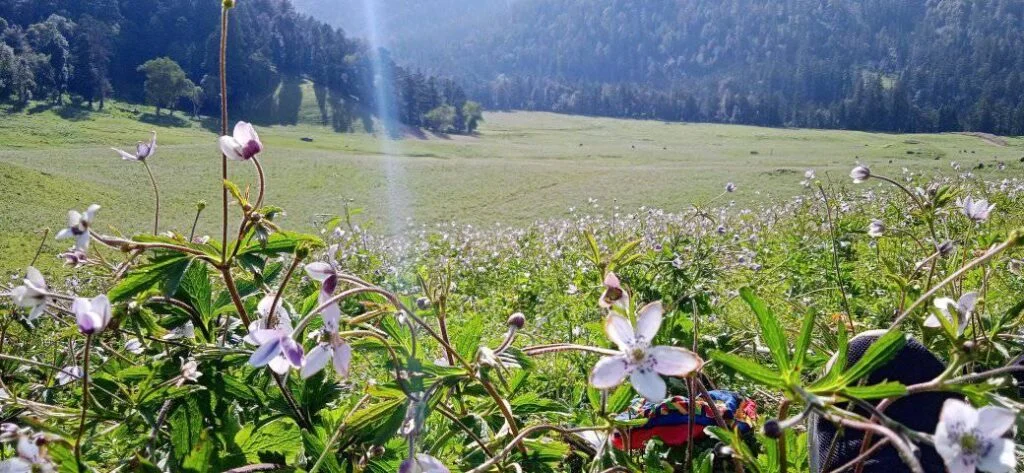
She emphasized the need for proper waste management measures, including the installation of waste disposal pits at strategic locations to keep the environment clean.
From Grazing Land to Thriving Tourist Spot
Dhimichaur, once used by the elders as a grazing ground for cattle during the monsoon season, is now transforming into a significant domestic tourist destination. The local government is working on developing infrastructure and plans to introduce better waste management systems.
“Proper management of waste alongside infrastructural development will enhance tourism promotion further and improve the local economy,” Khatri added.
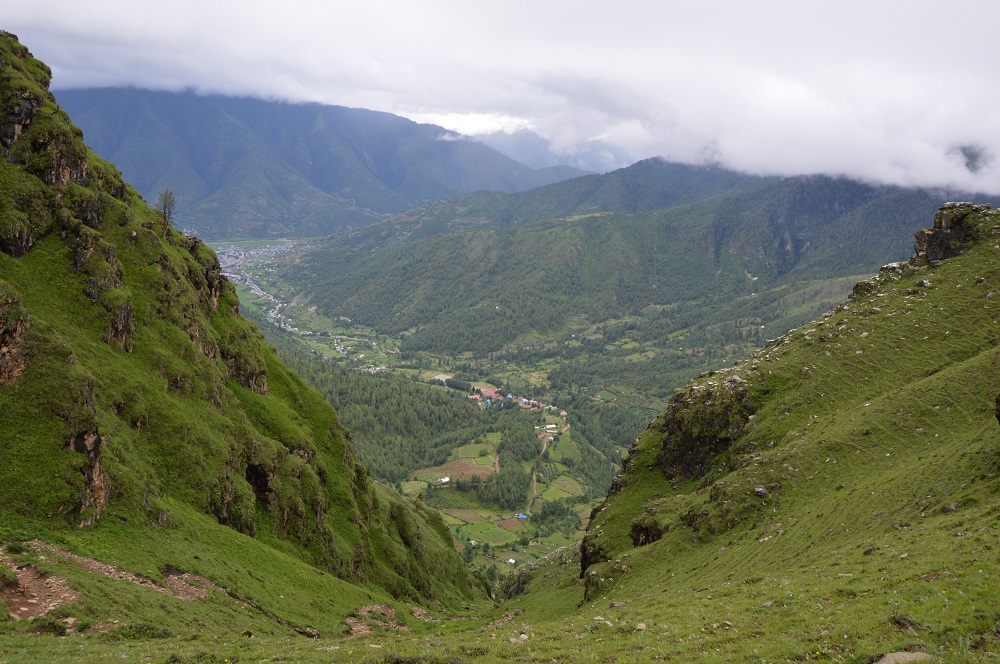
Local Government’s Role in Tourism Promotion
The Chandanath Municipality has prioritized Dhimichaur in its development agenda. Officials have been promoting the area’s natural beauty, organizing tourism-related activities, and encouraging local involvement to boost tourism sustainably.
The ongoing road expansion and maintenance projects are expected to make access easier and safer for tourists. Moreover, the municipality plans to develop eco-friendly facilities to attract more visitors while preserving the natural environment.
Economic Impact on the Local Community
The increasing tourist traffic has brought additional income opportunities for the local people. Vendors selling snacks, drinks, and local handicrafts benefit from the influx of visitors, contributing to the community’s economic upliftment.
Local entrepreneurs have expressed hope that with better infrastructure and environmental management, Dhimichaur will soon become one of the key tourism hubs in the region.
Future Prospects for Dhimichaur Tourism
Experts and local leaders alike believe that Dhimichaur holds vast potential for tourism growth. With its rich natural resources, beautiful landscapes, and favorable climatic conditions, it could emerge as a major attraction for nature enthusiasts and trekkers.
However, they caution that sustainable development practices and environmental conservation must go hand in hand with tourism promotion to ensure that Dhimichaur remains pristine and inviting for generations to come.