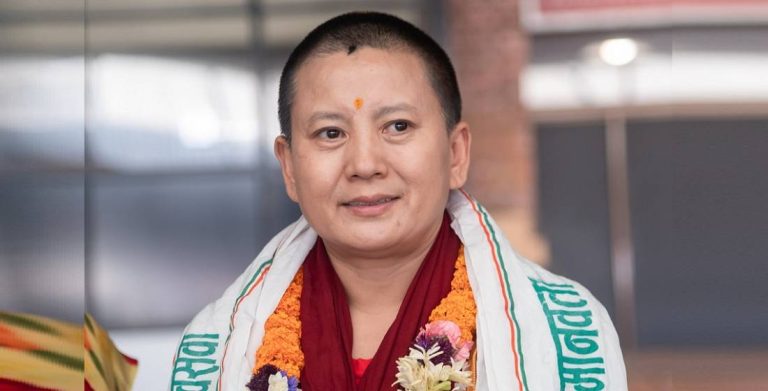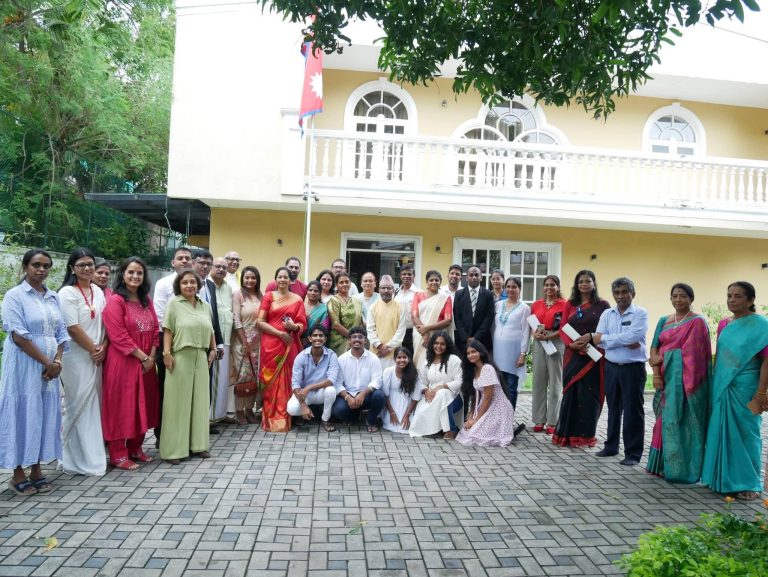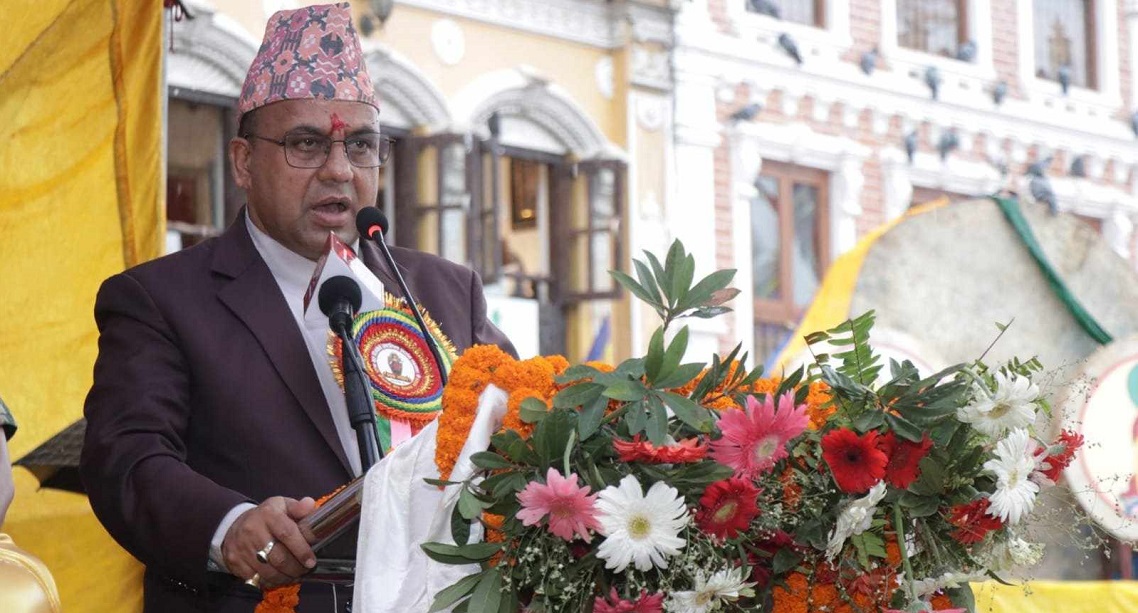
Minister for Culture, Tourism, and Civil Aviation, Badri Prasad Pandey, has stated that Nepal’s identity on the global stage is strongly shaped by being the birthplace of Lord Buddha. Speaking at a special event organized today to mark the birth anniversary of Guru Padmasambhava, Minister Pandey emphasized that Nepal carries a unique spiritual legacy that is respected and acknowledged across the world.
He noted that the number of countries expressing spiritual and cultural affinity with Nepal is growing, especially due to its association with Buddha and the spread of Buddhist philosophy.
Strengthening Nepal’s Global Identity Through Heritage
“We are the citizens of a nation that holds the sacred heritage of Buddha and the Vedas,” said Minister Pandey during his address. “It is our responsibility to present this identity to the world in a stronger and more unified voice.”
He underscored that Nepal must not only preserve its cultural and spiritual history but actively promote it as a source of global inspiration. Highlighting the need for deeper engagement, the Minister called for well-organized and impactful cultural programs that would attract international attention and support.
Honoring Guru Padmasambhava’s Contribution to Buddhism
Minister Pandey also shed light on the historical and spiritual significance of Guru Padmasambhava, who is credited with propagating the Himalayan Buddhist tradition and playing a crucial role in the spread of Buddhist philosophy across the region. “His teachings and spiritual leadership laid one of the strongest foundations of Buddhism, which has now become a globally respected path of peace and enlightenment,” the Minister stated.
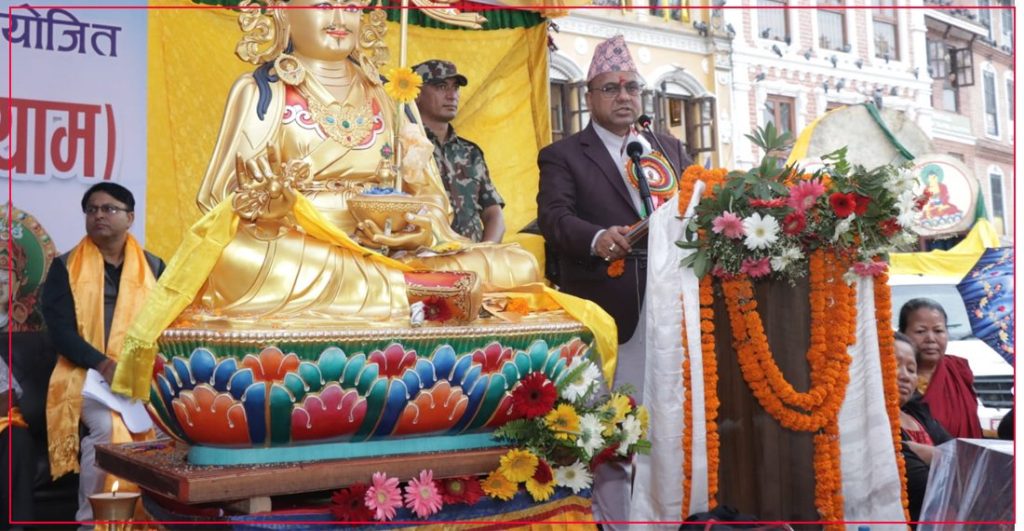
Guru Padmasambhava, often revered as the ‘Second Buddha,’ is a central figure in Tibetan Buddhism and Himalayan spiritual practices. By commemorating his birth anniversary in a formal setting for the first time, Nepal is taking what Minister Pandey called a historic step towards honoring its profound religious and spiritual roots.
Call for Institutional Support for Cultural Events
“This is the first time Guru Padmasambhava’s birth anniversary is being celebrated formally and publicly. It is indeed a historic and symbolic gesture,” Pandey said. He emphasized that such events should be made more structured, inclusive, and impactful in the coming years.
He added that coordinated efforts among the government, cultural institutions, monasteries, and local communities are essential to ensure that Nepal’s rich heritage is both preserved and globally showcased.
Buddha’s Teachings Still Resonate Worldwide
Minister Pandey further highlighted the timeless relevance of Buddha’s teachings, stating that in an era of rapid materialism and mental stress, the search for inner peace has become more critical than ever.
“Material wealth can provide temporary satisfaction,” he remarked, “but lasting peace comes only through the path shown by the Buddha. That’s why his teachings are becoming even more meaningful in today’s world.”
He also pointed out that many people globally, especially in the West and in modern societies, are turning to mindfulness, meditation, and Buddhist philosophy as tools for achieving personal well-being and collective harmony. Nepal, as the birthplace of Buddha, holds a special position in offering this spiritual refuge.
Promoting Nepal as a Center of Peace and Pilgrimage
The Minister stressed the need to develop Nepal as a global center for peace, pilgrimage, and spiritual exploration. He mentioned that by investing in cultural diplomacy and spiritual tourism, Nepal could become a destination for seekers, scholars, and tourists alike.
“Let’s not forget that the world is seeking what Nepal already has, spiritual wisdom, natural serenity, and cultural depth,” he said. “Our temples, monasteries, sacred sites, and age-old practices can become sources of inspiration for millions.”
Towards a Harmonious and Prosperous Nepal
Minister Pandey concluded by saying that if Nepal embraces and promotes its spiritual heritage meaningfully, it will not only boost the tourism economy but also foster unity, harmony, and national pride. Events like the birth anniversary of Guru Padmasambhava should be seen as platforms to educate younger generations, attract foreign visitors, and reinforce Nepal’s image as a land of peace and enlightenment.
As Nepal seeks to position itself in the global tourism and cultural arena, such initiatives are likely to become key pillars of sustainable development and soft diplomacy. The celebration of Guru Padmasambhava’s birth anniversary marks the beginning of a renewed journey, where faith, heritage, and national identity walk hand in hand toward a prosperous future.