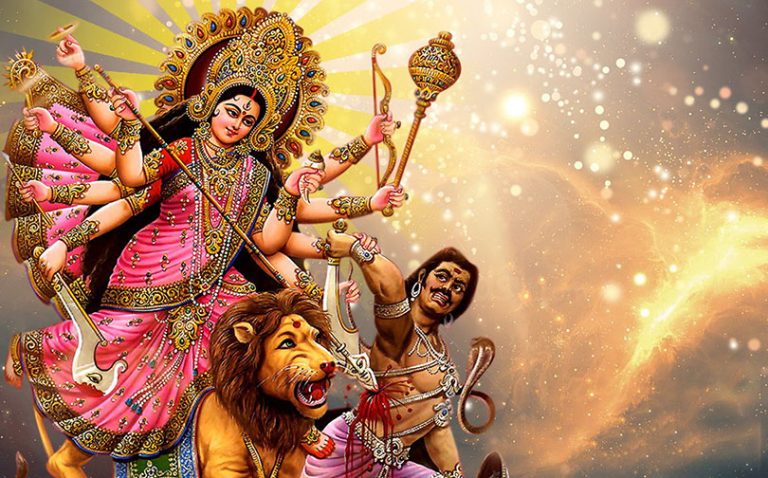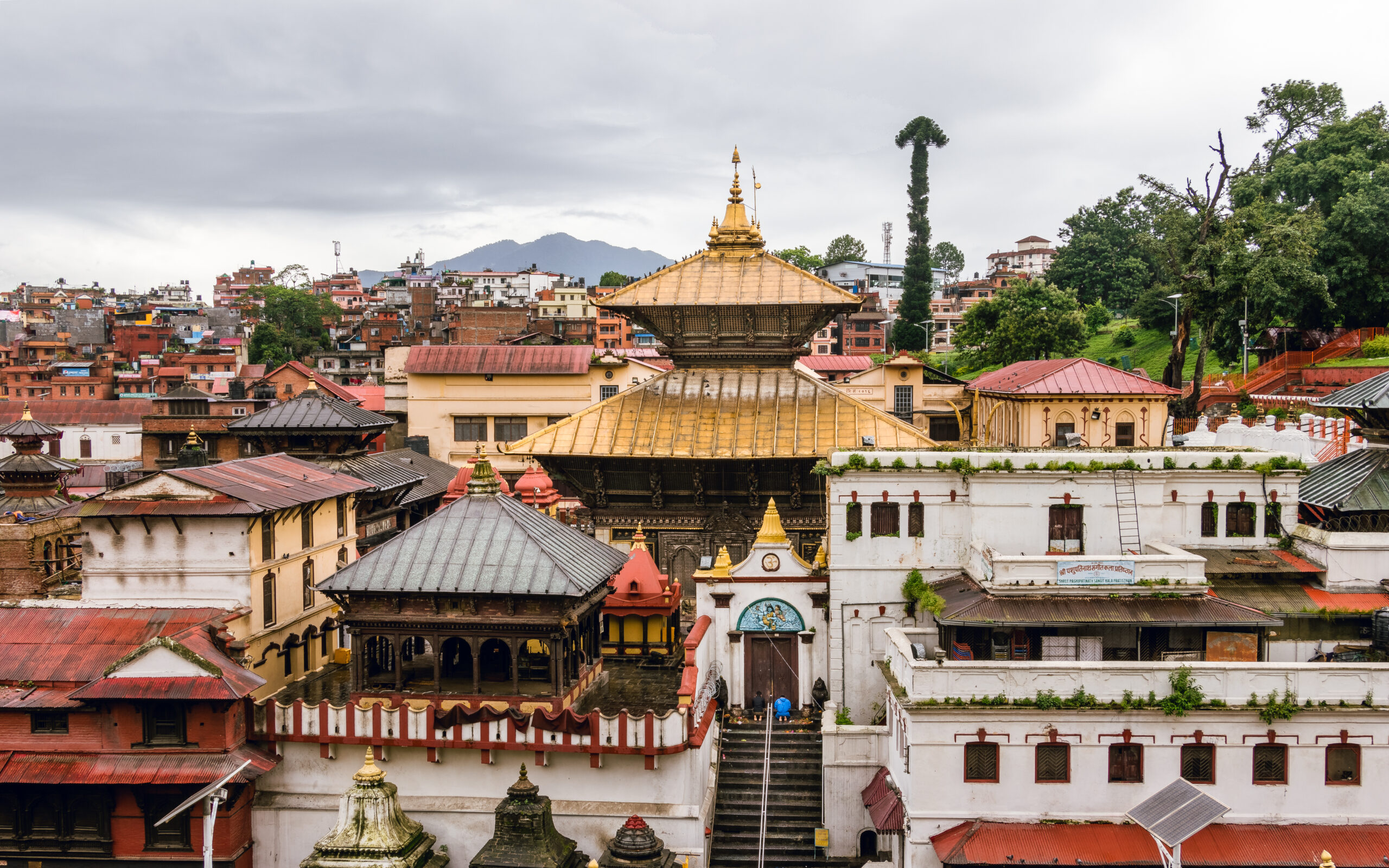
Religious events and spiritual practices in the sacred Pashupatinath area are believed to play a vital role in promoting religious tourism in Nepal. A major initiative in this regard is the ongoing Dashamahavidya Rudrahawan Mahayagya, which commenced on Shrawan 14 at the Hansamandap of Bhandarkhal Vanakali, near the revered Pashupatinath Temple in Kathmandu. The Mahayagya has become a spiritual focal point during the holy month of Shrawan, attracting devotees from across Nepal and neighboring India.
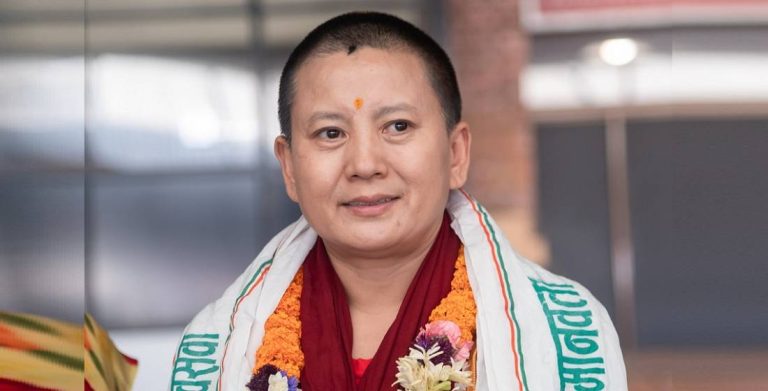
The main initiator of the Mahayagya, Kalibaba, organized a press conference today to highlight the significance of the event. Addressing the media, he stated that the primary goal of conducting such grand yagyas is to promote both domestic and international religious tourism in Nepal, while also fostering peace, prosperity, and spiritual well-being among Nepali citizens.
Spiritual Tourism as a Path to National Prosperity
During the press interaction, Kalibaba emphasized that if Nepal can successfully establish itself as a spiritual destination, the growing number of unemployed youth who consider leaving the country for jobs could instead find purpose and employment within Nepal’s own borders. “Religious tourism is not only about faith but also about opportunities,” he noted, adding that promoting Nepal as a center of spiritual activities could generate jobs in hospitality, guiding, temple management, event coordination, and more.
The spiritual leader firmly believes that spiritual and religious tourism has the capacity to serve as a pillar for national development, especially by bringing in visitors who seek inner peace, wellness, and authentic spiritual experiences.
Indian Pilgrims Hold Great Potential
Adding to the discussion, Vijay Krishna Murti, President of the Nepal Manav Sewa Foundation, stressed the immense potential Nepal holds for attracting Indian pilgrims. “If just one percent of India’s population is brought to Nepal for religious tourism,” he said, “it would significantly contribute to Nepal’s prosperity.” With India having a population of over 1.4 billion, even a small percentage of religious visitors could lead to large-scale economic benefits, particularly in sectors like transport, accommodation, food, and spiritual guidance.
Murti also highlighted the cultural and religious ties that exist between Nepal and India, especially through shared Hindu traditions and pilgrimage circuits such as the Char Dham and Kailash-Mansarovar routes, where Pashupatinath holds unique reverence.
Cooperation Between Spiritual Institutions for a Bigger Impact
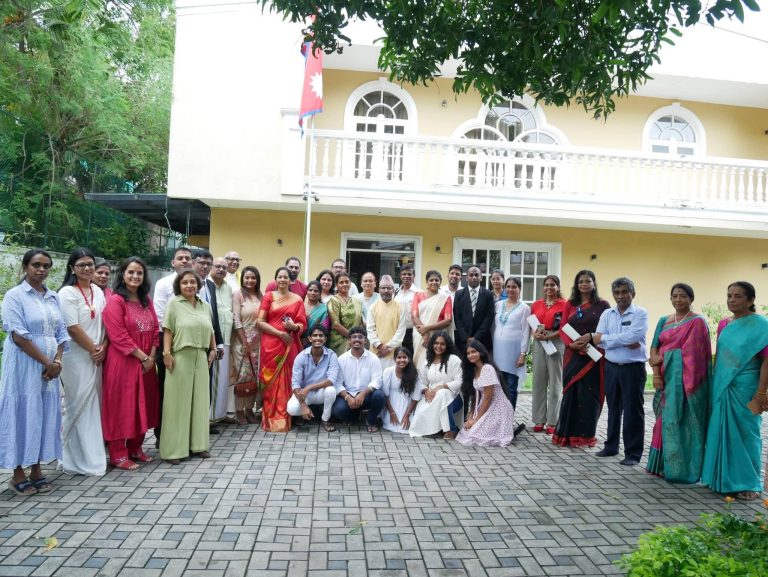
The Dashamahavidya Rudrahawan Mahayagya is a collaborative effort, jointly organized by Kalika Sadhana Ashram, Shivashakti Baba Kalidas Dham, and the Nepal Manav Sewa Foundation. This partnership underscores a growing trend in Nepal where spiritual and religious institutions are working together to create large-scale religious events that serve both devotional and socio-economic purposes.
Such events are not only religious gatherings but also platforms for cultural exchange, spiritual awakening, and social service. The current Mahayagya, in particular, has created a sacred space where people can pray, meditate, participate in rituals, and seek blessings for personal and collective wellbeing.
Pilgrims Flocking to Pashupati During Shrawan
Shrawan is considered the holiest month for worshipping Lord Shiva, and Pashupatinath sees a significant surge in devotees during this time. The ongoing Mahayagya has become an added spiritual attraction for the thousands of pilgrims who visit Pashupatinath every Monday of Shrawan to offer milk, bel leaves, and water to Lord Shiva.
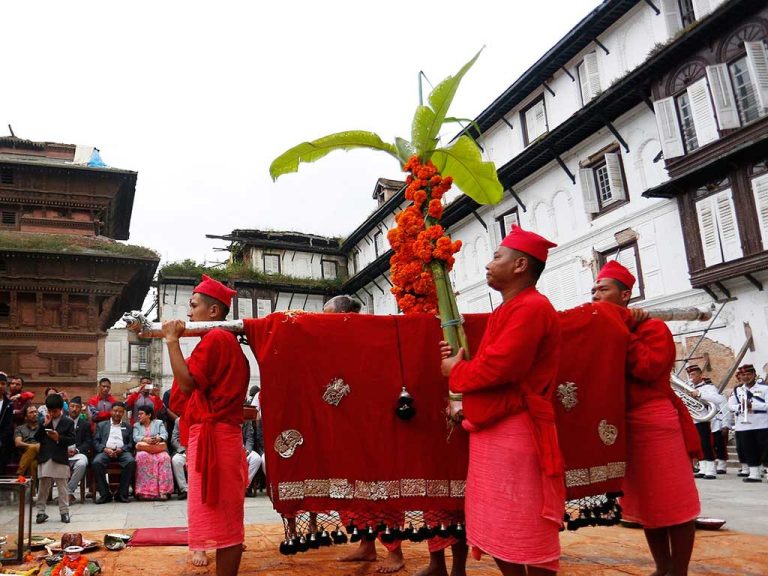
Many of these devotees are now also making their way to the Hansamandap site to witness the Rudrahawan rituals, listen to Vedic chants, and receive blessings from sages and spiritual leaders. This merging of traditional pilgrimage with organized spiritual events offers a richer and more immersive experience for the faithful.
Linking Religion with Economic Empowerment
As Nepal continues to rebuild and rebrand its tourism sector post-COVID, religious tourism offers a powerful and sustainable avenue for growth. Events like the Mahayagya not only uphold religious values but also create local employment, stimulate small businesses, and attract both national and international attention.
Vendors, local transport operators, hotels, and even local guides benefit from the influx of pilgrims and spiritual seekers. The press conference further emphasized that government and tourism stakeholders must recognize the potential of religious tourism as a core strategy in Nepal’s national tourism policy.
Need for Infrastructure and Government Support
Despite the enthusiasm and devotion of organizers and pilgrims, challenges remain in terms of infrastructure, cleanliness, security, and systematic promotion. Kalibaba and other spiritual leaders at the press meet called on the government, local authorities, and the Pashupati Area Development Trust to provide enhanced support in the form of improved roads, sanitation, parking, resting areas, and promotional materials in multiple languages to attract foreign pilgrims. The organizers also urged the media to play a more active role in spreading awareness about spiritual tourism in Nepal to a global audience.
A Vision for Nepal as a Global Spiritual Hub
As the Rudrahawan Mahayagya continues in Pashupati’s sacred grounds, it stands as a powerful example of how religion, tradition, and national development can be interwoven. Nepal, with its rich cultural heritage, ancient temples, and deeply spiritual landscape, has every ingredient to become a global spiritual hub. With proper planning, cooperation, and investment, events like these could lay the foundation for a new model of tourism, one that nourishes the soul while uplifting the economy.