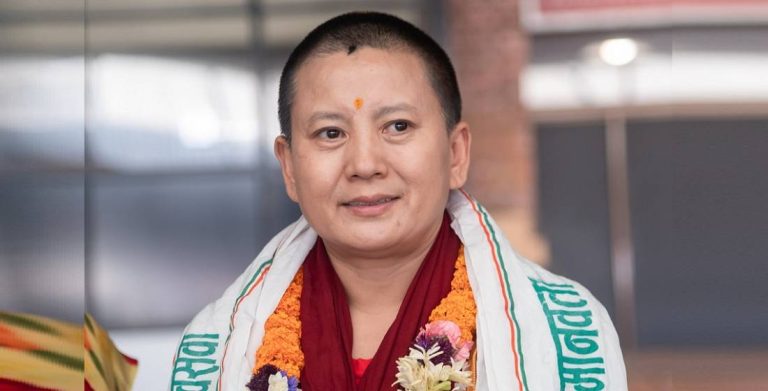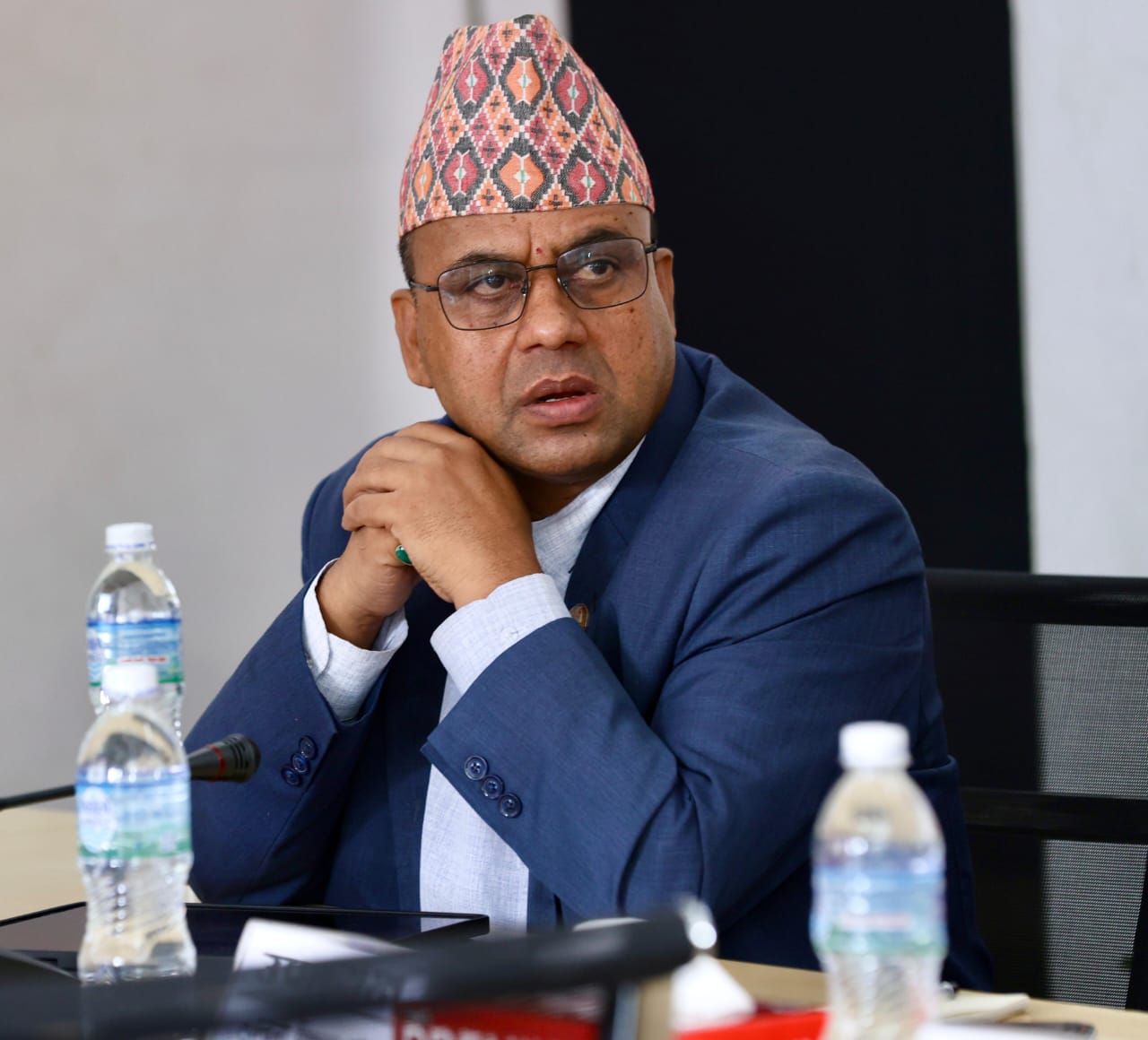
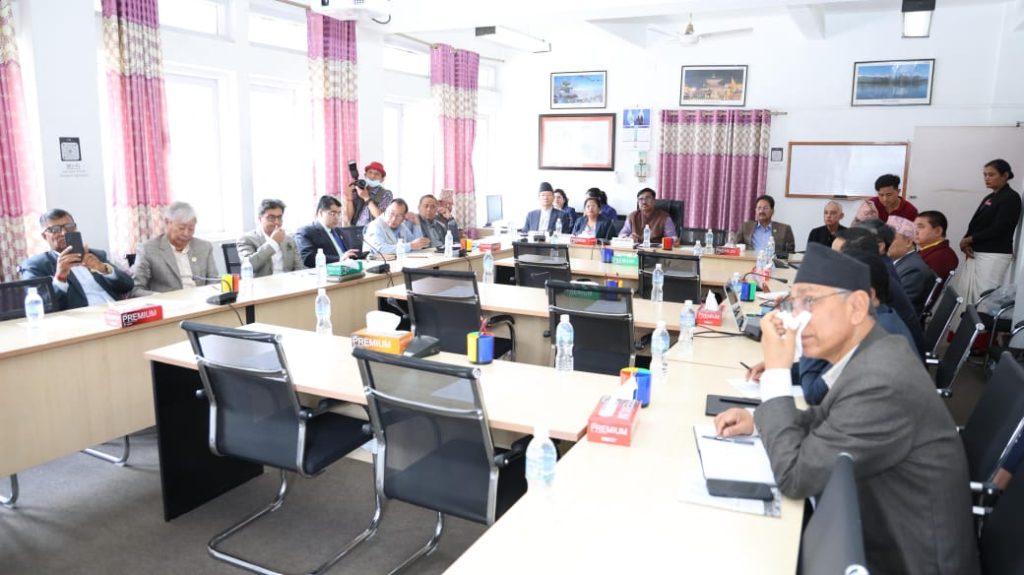
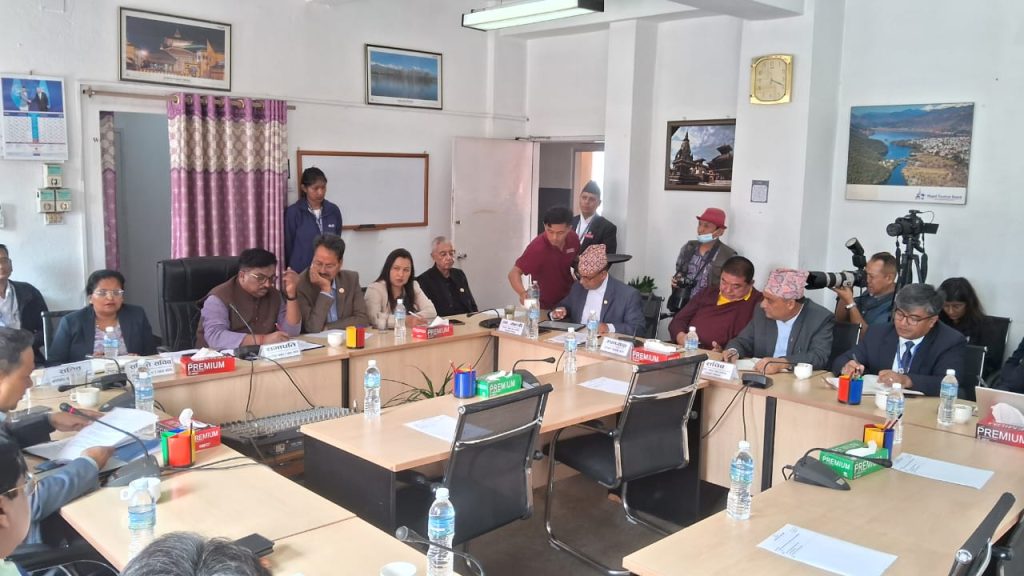
Nepal is gearing up to once again present Tilaurakot, the ancient capital of the Shakya dynasty and believed to be the childhood home of Lord Buddha, for inclusion in the UNESCO World Heritage List. The announcement was made by Minister for Culture, Tourism and Civil Aviation, Badri Prasad Pandey, during a meeting of the International Relations and Tourism Committee of the Federal Parliament held on Wednesday.
Minister Pandey stated that the Nepal Government would resubmit the proposal for Tilaurakot at the upcoming 48th Session of the UNESCO World Heritage Committee, expressing renewed commitment to ensuring that the site gains long-overdue international recognition for its historical and cultural significance.
Previous Effort Hampered by Technical and Diplomatic Hurdles
This is not Nepal’s first attempt to enlist Tilaurakot as a UNESCO World Heritage Site. The minister admitted that the previous attempt, during the 47th session, had failed due to technical shortcomings and diplomatic disagreements.
“In the earlier proposal, we faced technical limitations in the documentation process and were challenged diplomatically, particularly by India’s submission of 33 points of objection regarding the site,” Pandey revealed. He emphasized, however, that Nepal possesses sufficient historical and archaeological evidence to justify the site’s inclusion.
“Despite the objections, our records and research firmly support Tilaurakot’s claim as an ancient and authentic Buddhist site of global importance. We are correcting past procedural issues and coordinating closely with stakeholders to ensure there are no further setbacks,” he added.
Experts have long advocated for Tilaurakot’s recognition, citing its rich archaeological finds, including palace foundations, ancient city walls, moats, stupas, and pottery, all linking it to the time of Prince Siddhartha Gautama before his enlightenment. Yet, the site continues to struggle for global acknowledgment despite its undeniable heritage value.
India’s Support in Preserving Lumbini Highlighted
In an interesting diplomatic turn, Minister Pandey also acknowledged India’s positive role in preventing Lumbini from being listed in the UNESCO ‘World Heritage in Danger’ category. According to the minister, India provided assistance at a crucial time when Lumbini, the birthplace of Buddha and already a UNESCO World Heritage Site since 1997, was facing scrutiny over preservation challenges and unregulated development.
This gesture has been viewed as a testament to regional cooperation in heritage conservation. Minister Pandey stressed the importance of maintaining good cross-border diplomatic ties, especially when it comes to protecting shared cultural and religious history.
However, he did not hesitate to voice his concern regarding the performance of the Lumbini Development Trust (LDT). “The Trust has not met the expectations of the government or the people. There have been delays and inefficiencies. We are now working to correct those shortcomings through well-planned and result-oriented reforms,” he said.
Pandey reaffirmed the government’s intention to move forward with strategic, transparent, and accountable initiatives in Lumbini. He added that infrastructure, conservation, and visitor management would be streamlined under new action plans, ensuring that the site remains protected and that pilgrims and tourists have a meaningful experience.
Reviving Buddhist Cultural Tourism in the Region
The government’s renewed effort to enlist Tilaurakot is part of a larger push to promote Buddhist heritage tourism in Nepal’s southern plains. Along with Lumbini, sites such as Kapilvastu, Ramgram, Kudan, Gotihawa, and Niglihawa are considered vital in Buddhist pilgrimage circuits. Proper recognition and preservation of these locations could enhance Nepal’s global tourism profile significantly.
Cultural scholars and local stakeholders have long emphasized the need for international recognition of Tilaurakot, not only for heritage conservation but also for uplifting the socio-economic conditions of the region. The inclusion of Tilaurakot in the UNESCO list could attract global researchers, historians, and heritage tourists, leading to sustainable development and increased investment. In this regard, Minister Pandey’s announcement has rekindled hope among heritage activists, archaeologists, and residents of the Kapilvastu district.
Looking Ahead: Coordinated Strategy and Stakeholder Engagement
With a clear intention to rectify past missteps, Nepal’s Ministry of Culture, Tourism and Civil Aviation is working in coordination with the Department of Archaeology, UNESCO experts, and diplomatic missions to strengthen the bid. The new proposal will be backed by improved documentation, geo-mapping, site protection strategies, and diplomatic dialogues aimed at gaining consensus and support from member nations.
“We have learned from our previous shortcomings. This time, we are more prepared, technically and diplomatically. Tilaurakot deserves its place among the world’s most cherished cultural landmarks,” Minister Pandey asserted.
As Nepal prepares to present its case at the 48th World Heritage Committee session, the successful inclusion of Tilaurakot would mark a monumental milestone in the country’s cultural diplomacy and heritage conservation efforts, reinforcing Nepal’s position as a land of deep historical roots and spiritual significance.