A monsoon trough is currently positioned near its average location, influencing weather conditions across Nepal. According to the Meteorological Forecasting Division under the Department of Hydrology and Meteorology, the afternoon skies across the country will remain generally cloudy. The moisture-laden monsoon winds have resulted in an increased likelihood of rainfall in various provinces, particularly in the hilly and Terai belts.
Meteorologists have predicted moderate rainfall in several parts of the hilly regions of Koshi, Bagmati, and Gandaki Provinces. In addition, certain areas of the hilly and Terai regions in Madhesh Province, as well as other parts of the country, are also expected to experience rainfall. These showers are a continuation of the active monsoon conditions prevailing over the past week.
Heavy Rainfall Forecast for Specific Hilly Areas
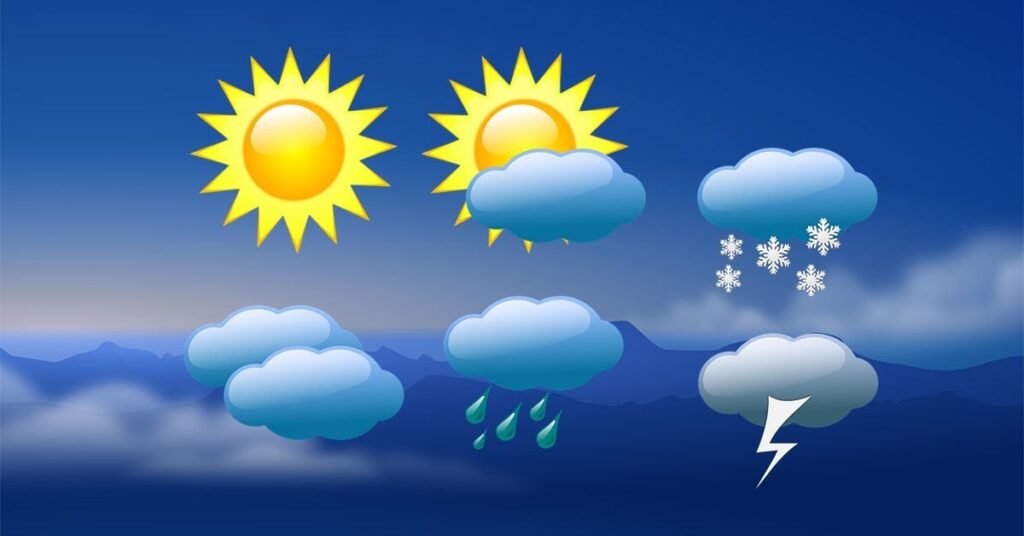
While moderate showers will be the dominant feature in most regions, the weather office has issued a special forecast for heavy rainfall in some parts of the country. One or two locations in the hilly areas of Koshi and Gandaki Provinces are likely to witness heavy downpours this afternoon. Such intense rainfall events may lead to localized flooding, particularly in low-lying valleys and riverbanks, and could also trigger landslides in vulnerable slopes.
The department has advised residents in these areas to remain cautious, especially those living near rivers, streams, or steep hillsides. Given the geography of the affected provinces, sudden slope failures during heavy rains can cause severe damage to infrastructure and disrupt road transport networks.
Evening and Night Outlook
As the day transitions into night, the country is expected to maintain its generally cloudy conditions. The forecast indicates that moderate rainfall will continue in parts of the hilly regions of Madhesh, Koshi, Bagmati, and Gandaki Provinces. Similarly, other provinces are also likely to experience rain in their hilly and Terai belts.
Moreover, heavy rainfall remains a possibility at one or two locations in the hilly areas of Koshi, Bagmati, and Gandaki Provinces during the night. The persistent nature of these showers could further increase water levels in rivers and streams, raising concerns of flash floods in some catchment areas.
Impact on Agriculture and Daily Life
The ongoing monsoon activity, though a boon for agriculture, is creating challenges for transportation and outdoor activities. Farmers in the Terai region have welcomed the consistent rainfall as it benefits paddy cultivation during the peak growing season. Adequate water availability in farmlands ensures healthy crop growth, reducing reliance on irrigation systems.
However, prolonged cloudy skies and intermittent heavy rainfall have disrupted daily life in urban centers. Traffic congestion, waterlogging, and muddy rural roads have become common issues, particularly in cities like Kathmandu, Biratnagar, Pokhara, and Janakpur. In remote hilly districts, the combination of rainfall and unstable slopes has increased the risk of road blockages, isolating some communities from essential supplies.
Monsoon Dynamics and Seasonal Patterns
The monsoon trough’s near-average position plays a critical role in determining Nepal’s rainfall distribution. This weather system typically oscillates north and south during the season, affecting rainfall intensity in different regions. When positioned closer to the Himalayan foothills, the trough enhances the likelihood of heavy precipitation in Nepal’s hilly and mountainous areas.
Meteorologists note that such conditions are not unusual for August, which is traditionally one of the wettest months of the year. The combination of topography, monsoon winds from the Bay of Bengal, and localized convection contributes to varied rainfall patterns within a relatively short geographic distance.
Public Safety Advisory
Authorities have urged the public to stay updated on weather forecasts and heed warnings issued by the Department of Hydrology and Meteorology. With heavy rainfall predicted in certain hilly locations, travelers are advised to plan their journeys cautiously. Those living in landslide-prone areas should remain vigilant and be prepared for possible evacuation if conditions worsen.
The department has also recommended avoiding unnecessary travel during peak rainfall periods, especially in rural hill roads where visibility and road conditions can deteriorate quickly. Fishermen and boat operators in rivers and lakes should exercise caution due to the possibility of sudden water level surges.
Preparedness and Response Measures
Local governments in several provinces have begun mobilizing disaster preparedness teams to respond to potential emergencies. In previous years, similar weather conditions during the monsoon have led to significant losses due to landslides and floods. As such, authorities are prioritizing early warning dissemination and ensuring that shelters are ready to accommodate displaced families if required.
Rescue and relief agencies have been placed on standby in districts such as Taplejung, Khotang, Lamjung, and Gorkha, which are considered high-risk zones for rainfall-induced disasters. Coordination between provincial governments and the National Disaster Risk Reduction and Management Authority (NDRRMA) remains ongoing to streamline responses.

Looking Ahead
Meteorological experts predict that the current weather pattern will persist for the next few days, with fluctuations in rainfall intensity depending on the movement of the monsoon trough. If the trough shifts further north, more intense rainfall events may occur, particularly in Nepal’s mid-hill and mountain regions.
The department has assured the public that regular updates will be provided, enabling communities to prepare accordingly. While monsoon rains are vital for Nepal’s water resources and agriculture, balancing their benefits against the potential hazards remains an annual challenge.