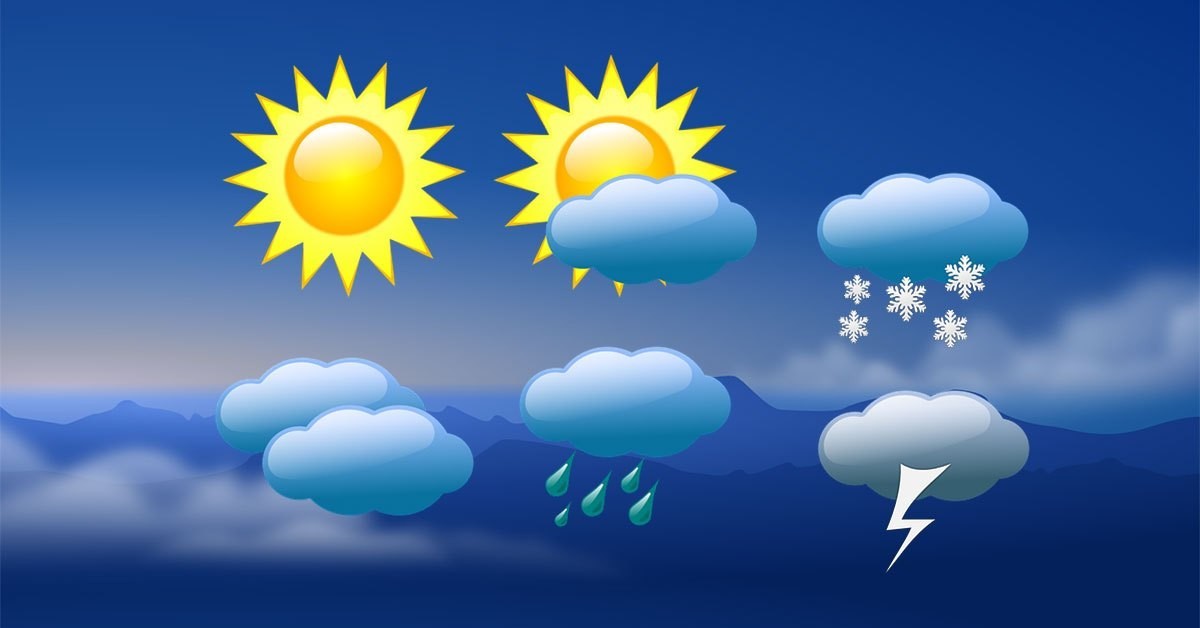
The Meteorological Forecasting Division has reported that the monsoon system across Nepal is gradually weakening, with its low-pressure line moving further south from the average position. This shift is expected to bring significant changes to weather conditions across the country in the coming days.
While some regions will continue to experience cloudy skies and rainfall, others will witness reduced monsoon activity, leading to partial cloud cover and a gradual decline in precipitation levels. However, experts warn that the risks associated with heavy rainfall, such as landslides, rising river levels, and transportation disruptions, remain a pressing concern for several provinces.
Cloudy Skies in Hilly Areas
According to the Division, the hilly areas of the country, including Sudurpaschim Province, are expected to experience cloudy weather this afternoon. The dense cloud formation in these regions is likely to result in scattered rainfall, ranging from light to moderate intensity. In contrast, most of the remaining areas of the country will only see partial cloud cover. This indicates that the monsoon activity is not uniformly distributed and is now limited to specific geographical regions.
Meteorologists say that the movement of the low-pressure system has weakened the monsoon’s overall strength. “We are witnessing a shift in the monsoon trough line, which usually lies closer to Nepal during peak months. Its current southward position indicates a gradual weakening trend,” a senior forecaster explained.
Moderate Rainfall Forecast in Sudurpaschim and Terai
The Division has also predicted moderate rainfall in some parts of the hilly areas of Sudurpaschim Province. Additionally, a couple of places in the Terai region may also receive rainfall later today.
While these showers will provide some relief from the humid weather conditions, they may also contribute to water accumulation and local flooding, particularly in areas prone to poor drainage. Farmers in the Terai have welcomed the rain as beneficial for paddy cultivation, but experts caution that excess water could affect ripening crops in low-lying areas.
Evening Weather Conditions Across Provinces
Tonight, weather patterns are expected to differ across provinces. The Division forecasts that the hilly areas of Koshi Province will experience cloudy weather, while other regions are more likely to see only partial cloud cover.
Similarly, moderate rainfall is possible in some parts of Gandaki Province, particularly in elevated terrains. The Terai belt, along with Bagmati, Lumbini, and Karnali Provinces, may also see occasional rainfall during the evening hours. These localized rain showers may bring temporary relief from the heat but could also increase the risk of natural hazards in vulnerable locations.
Risks of Landslides, Floods, and Disruptions
Despite the overall weakening of the monsoon, the Division has warned that risks of landslides and debris flows remain high in hilly and mountainous areas. Continuous rainfall over the past weeks has already saturated the soil, making slopes unstable and prone to collapse even with moderate rainfall.
Similarly, both large and small rivers and streams may see rising water levels, posing threats of flash floods and inundation in downstream areas. Rural roads and highways passing through hilly regions are at risk of blockage due to landslides, potentially disrupting transportation and the movement of goods.
The Division has urged the public to remain cautious. “People living in landslide-prone settlements and near riverbanks should stay alert and adopt necessary preparedness measures. Transportation authorities are also advised to monitor highways closely and take preventive steps against blockages,” the statement read.
Preparedness Measures Encouraged
Disaster management authorities have been closely monitoring the situation and coordinating with local governments to ensure rapid response mechanisms are in place. Emergency shelters, evacuation routes, and relief supplies are being kept ready in high-risk districts.
The Meteorological Division has also advised farmers, travelers, and residents in hilly areas to stay updated on weather forecasts and take precautions before planning journeys or agricultural activities. With the festival season approaching, authorities are particularly concerned about the safety of travelers using hillside highways.
Local governments in Sudurpaschim and Karnali have already initiated awareness campaigns to inform communities about landslide preparedness. Villagers are being urged to avoid crossing swollen streams and rivers and to report early signs of slope instability to local officials.
Changing Monsoon Patterns in Nepal
This year’s monsoon has shown signs of irregular activity, with intense rainfall in certain regions and prolonged dry spells in others. Climate experts note that shifting monsoon patterns are becoming more common due to global climate change, leading to unpredictable and extreme weather events.
Nepal, being geographically diverse and vulnerable, faces unique challenges during the monsoon season. While rainfall is crucial for agriculture and hydropower generation, excessive or poorly distributed precipitation often results in disasters that claim lives and damage infrastructure.
The weakening of the monsoon may signal the approach of its retreat phase, which usually begins in early September and concludes by mid-October. However, meteorologists caution that sporadic heavy showers could still occur even as the overall intensity declines.
As the monsoon gradually weakens with its low-pressure line shifting south, Nepal is expected to witness mixed weather conditions across provinces. While some hilly areas and parts of the Terai will continue to receive moderate rainfall, other regions will experience clearer skies.
Despite this weakening trend, the risks of landslides, flooding, and transportation disruptions remain significant. Authorities have therefore called for heightened vigilance and preparedness among communities living in vulnerable areas. The coming weeks will determine whether the monsoon season concludes smoothly or brings further challenges to Nepal’s already fragile infrastructure and disaster management systems.