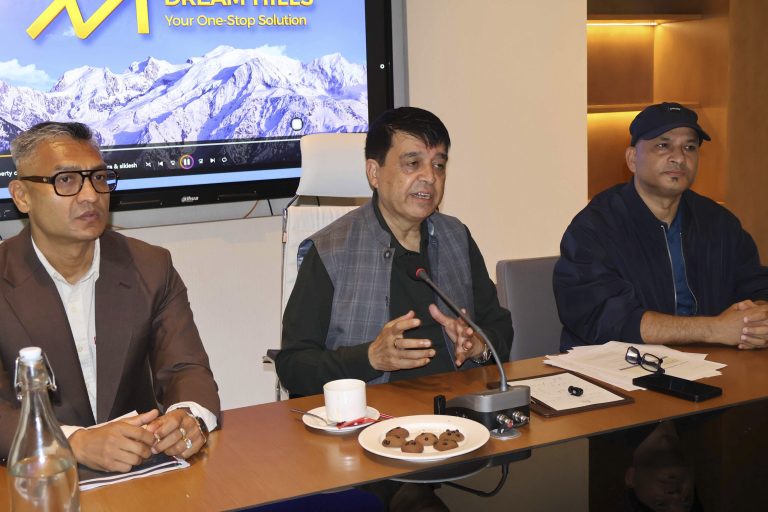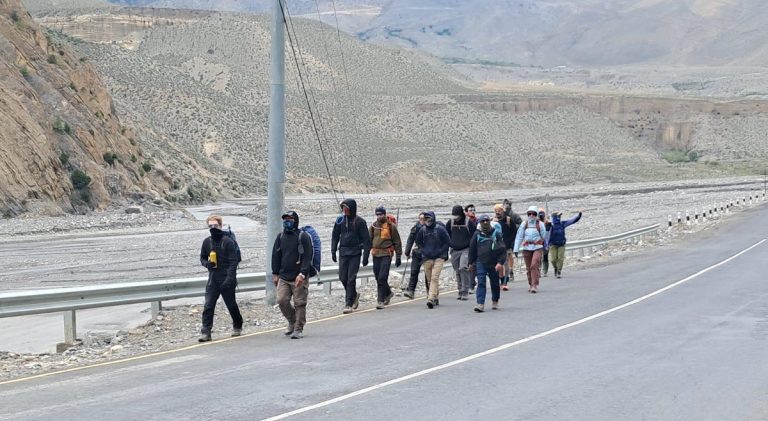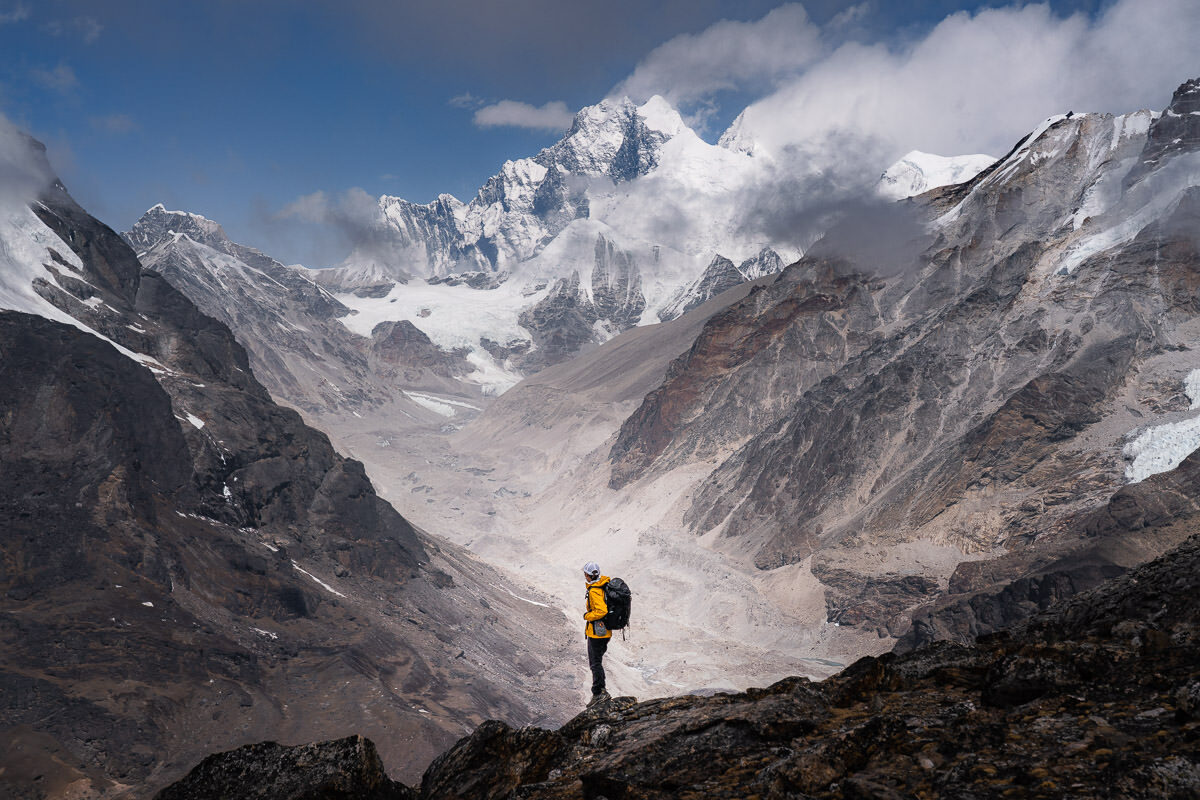
The District Disaster Management Committee of Sankhuwasabha has decided to expand communication services in Makalu Base Camp and the Shivadhara area, which are renowned for their trekking, mountaineering, and religious importance. The decision was reached during a meeting held today at the District Administration Office.
Assistant Chief District Officer Mohan Mani Ghimire informed that the committee endorsed the proposal to extend services such as telephone and internet facilities in these remote areas. The absence of communication infrastructure has long posed challenges for both local communities and tourists, especially in cases of medical emergencies and disaster response.
Importance of Communication in Remote Areas
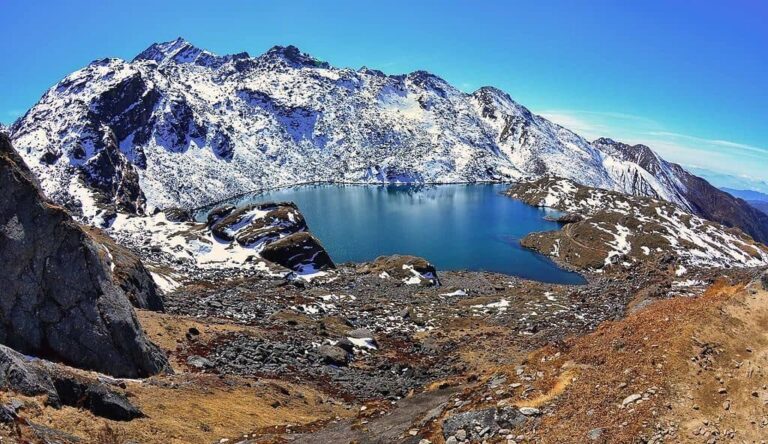
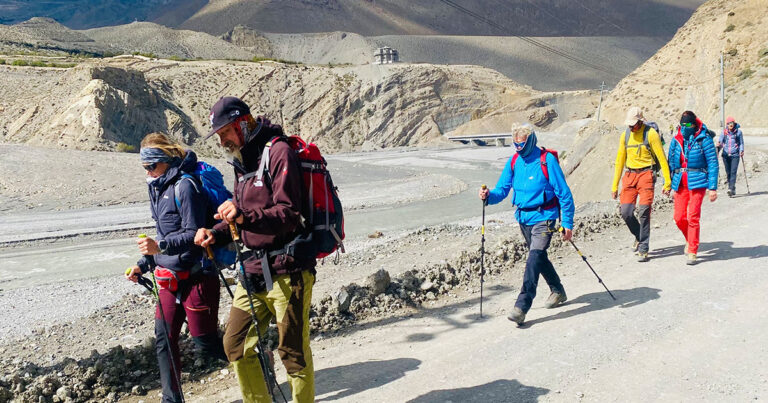
Makalu Base Camp, located in Makalu Rural Municipality, lies at the foothill of the world’s fifth-highest peak, Mount Makalu (8,485 meters). The area attracts domestic and international trekkers every year. Similarly, Shivadhara is considered a religious and cultural hub, drawing thousands of devotees. However, both sites face severe communication difficulties due to the lack of telecommunication and internet connectivity.
According to Ghimire, this shortcoming has led to life-threatening situations in the past, especially when tourists or locals fall ill or face accidents. Without immediate communication, arranging rescue operations becomes extremely difficult. “Every year, the absence of basic communication services contributes to unfortunate human casualties. This decision aims to address that gap,” he emphasized.
Legal Procedures and Institutional Coordination
The meeting concluded that the process of extending communication services will be initiated by coordinating with the Makalu Barun National Park and other concerned stakeholders. Nepal Telecom’s Sankhuwasabha office will send a formal request to the central office to set up suitable technologies that are environmentally and technically feasible for the area.
The plan includes the introduction of telephone networks, internet facilities, and other necessary communication tools. Officials believe that such services will not only improve the safety of trekkers and residents but also help in the promotion of tourism by making the region more accessible and reliable for visitors.
Preparedness Against Monsoon Hazards
The committee also discussed the heightened risks during the monsoon season, particularly landslides and road blockages. Since road networks connecting the district headquarters to rural municipalities often remain vulnerable to landslides, the committee has urged concerned offices and local municipalities to take proactive measures. Preventive actions such as clearing debris, monitoring slopes, and maintaining alternative routes have been suggested to ensure uninterrupted transportation.
Assistant CDO Ghimire noted that sudden road closures during heavy rainfall can isolate rural settlements, obstruct the supply of essential goods, and delay rescue operations. Therefore, the committee emphasized early preparedness and continuous monitoring.
Dengue Prevention Measures
Another key agenda of the meeting was the increasing risk of dengue outbreaks in the district. With rising cases being reported, the committee decided to intensify public awareness campaigns. Plans include disseminating educational materials, organizing community-level sensitization programs, and launching the “Search and Destroy” campaign to eliminate mosquito breeding sites.
The committee also instructed concerned health offices to mobilize resources and coordinate with local governments to contain the spread of dengue. Immediate action is considered vital to prevent further health emergencies, particularly during the ongoing monsoon season when stagnant water increases mosquito breeding.
Disaster Preparedness and Relief Framework
The District Disaster Management Committee further outlined broader strategies for disaster preparedness, response, and recovery. These strategies include pre-disaster planning, effective countermeasures during emergencies, and systematic recovery efforts afterward.
One of the notable decisions was to prepare a detailed procedure for providing relief in cases of livestock loss caused by natural disasters. Since rural households depend heavily on livestock for their livelihoods, the committee decided that determining clear compensation rates is necessary to ensure fairness and transparency in relief distribution.
Enhancing Rescue and Relief Operations
The committee stressed the importance of being fully prepared for search, rescue, relief, and rehabilitation efforts in case of natural disasters such as floods, landslides, and earthquakes. With the district being prone to monsoon-induced calamities, stakeholders were urged to remain in a state of readiness.
Each year, natural disasters cause significant human and economic losses in various parts of the district. Recognizing this, the committee resolved to attract the government’s attention toward the plight of disaster-affected citizens and advocate for stronger support mechanisms. Relief and rehabilitation measures were identified as priority areas to minimize the suffering of affected communities.
State’s Responsibility and Community Safety
Assistant CDO Ghimire highlighted that the state has a moral and administrative responsibility to safeguard the lives and property of its citizens. “People lose their lives and livelihoods every year due to floods, landslides, and other disasters. It is the duty of the government to provide relief and ensure proper rehabilitation for the victims,” he stated.
The meeting concluded with an appeal to all relevant agencies, including security forces, local governments, health institutions, and communication providers, to coordinate effectively in implementing the committee’s decisions.
Looking Ahead
The expansion of communication services in Makalu Base Camp and Shivadhara is expected to be a landmark step in improving safety, tourism promotion, and community welfare in Sankhuwasabha. At the same time, the committee’s broader disaster management agenda reflects a holistic approach to tackling the multiple risks the district faces.
With better communication, improved disaster preparedness, and coordinated institutional response, officials hope to minimize both human and economic losses in the future. The decisions made today demonstrate the district’s commitment to protecting lives, supporting communities, and enhancing resilience against natural and health-related challenges.