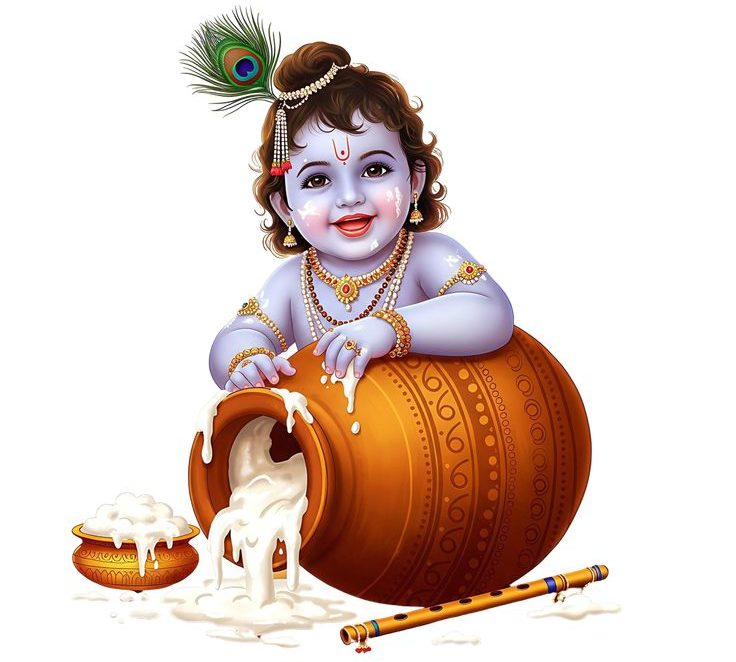
Shree Krishna Janmashtami, the auspicious occasion marking the birth of Lord Krishna, is being celebrated with great devotion, enthusiasm, and cultural richness by Hindus across Nepal today. Devotees are thronging temples and religious sites, engaging in prayers, rituals, music, and festive gatherings to honor the eighth incarnation of Lord Bishnu, who is revered as the destroyer of evil and protector of righteousness. The entire nation has been transformed into a spiritual hub as people celebrate this ancient festival with faith and veneration.
Significance of Janmashtami
According to Hindu scriptures, Lord Krishna was born at midnight on the eighth day (Ashtami) of the dark fortnight of the month of Bhadra (Bhadrakrishna Ashtami) during the Dwapar era. The event is considered a divine phenomenon, as Krishna’s birth symbolized the arrival of a savior destined to liberate mankind from injustice, tyranny, and demonic forces. He is regarded as the supreme incarnation of Lord Bishnu, who descended to restore Dharma (righteousness) and guide humanity on the path of truth and immortality.
The teachings of Krishna, embodied in the Bhagavad Gita, emphasize the three eternal principles, Gyanayog (path of wisdom), Karmayog (path of action), and Bhaktiyog (path of devotion). These philosophies continue to shape spiritual and ethical life for millions of devotees across the world, reinforcing Krishna’s legacy as a divine guide and philosopher.
The Birth Story of Lord Krishna
Hindu legends narrate that Lord Krishna was born in Mathura to King Basudev and Queen Devaki, who were imprisoned by the tyrant king Kansha. Fearing a prophecy that Devaki’s eighth child would bring about his downfall, Kansha ordered the killing of her previous children. However, divine intervention ensured Krishna’s survival. Basudev carried the infant Krishna across the Yamuna River to Gokul, where he was raised by Yashoda and Nanda. From his childhood adventures to his role in the Mahabharata, Krishna’s life symbolizes the triumph of good over evil and continues to inspire faith and devotion among Hindus.
Krishna’s Divine Persona
Lord Krishna is celebrated for his multifaceted persona. As “Gopal,” he is remembered as the caretaker of cows, reflecting his humility and compassion. As “Manmohan,” he captivated hearts with the enchanting tunes of his flute, symbolizing harmony and the power of love. His youthful pranks with the Gopis of Vrindavan, his valor in slaying demons, and his wisdom imparted during the Mahabharata war present Krishna as both playful and profound—a divine being embodying human emotions and eternal truths alike.
Major Temples and Celebrations
In Nepal, temples dedicated to Lord Krishna have become centers of devotion and festivity today. The famous Shree Krishna Temple at Mangal Bazaar in Lalitpur, built by King Siddhi Narsingh Malla in the 17th century, has attracted thousands of devotees. This stone temple, renowned for its intricate architecture, remains one of the most iconic landmarks of Krishna worship in the Kathmandu Valley.
Other major sites of celebration include the Nawatandham temple in Kageswori Manohara-8, the ISKCON (International Society for Krishna Consciousness) center in Budhanilkantha, Gothatar’s Krishna temples, and the holy premises of Pashupatinath Temple. These locations have witnessed large crowds offering prayers, singing devotional hymns, and lighting oil-fed lamps to mark the auspicious day.
Religious Activities and Rituals
The festival has been marked by diverse religious and cultural activities across the country. Various religious organizations and community groups have organized colorful processions, carrying idols of Lord Krishna and decorated portraits through the streets, accompanied by devotional chants and music. Temples have been adorned with flowers and lights, creating a vibrant spiritual atmosphere.
Throughout the night, devotees engage in continuous prayers, bhajans (devotional songs), and kirtans (spiritual chanting). The practice of fasting until midnight, the believed time of Krishna’s birth, is widely observed. As the clock strikes twelve, priests perform special rituals, symbolically reenacting Krishna’s divine birth, and distribute prasadam (sacred food offerings) among devotees. The nightlong vigil symbolizes the triumph of light over darkness, good over evil, and devotion over fear.
Cultural and Social Relevance
Beyond its religious significance, Shree Krishna Janmashtami holds cultural and social value in Nepalese society. The festival brings communities together, bridging social divides through shared faith and collective celebration. The chanting, music, dances, and rituals reinforce the cultural identity of Hindu traditions while also inspiring younger generations to preserve their heritage.
In recent years, Janmashtami celebrations in Nepal have also attracted tourists and international devotees, particularly through ISKCON-led events, contributing to religious tourism in the country. This global participation demonstrates Krishna’s universal appeal as a spiritual figure whose message of love, compassion, and justice transcends borders.
A Day of Devotion and Reflection
For devotees, Janmashtami is not just a festival but a day of deep reflection on Krishna’s teachings. It is a time to reaffirm faith, practice compassion, and pursue righteousness in daily life. Whether through fasting, chanting, or storytelling, the festival offers an opportunity to connect with the timeless values Krishna embodied.
As night falls and the celebrations continue, the sounds of flutes, cymbals, and devotional songs resonate across temples and households, marking yet another year of honoring the divine birth of Lord Krishna. In the hearts of devotees, his message of truth, justice, and eternal love remains as relevant today as it was thousands of years ago.