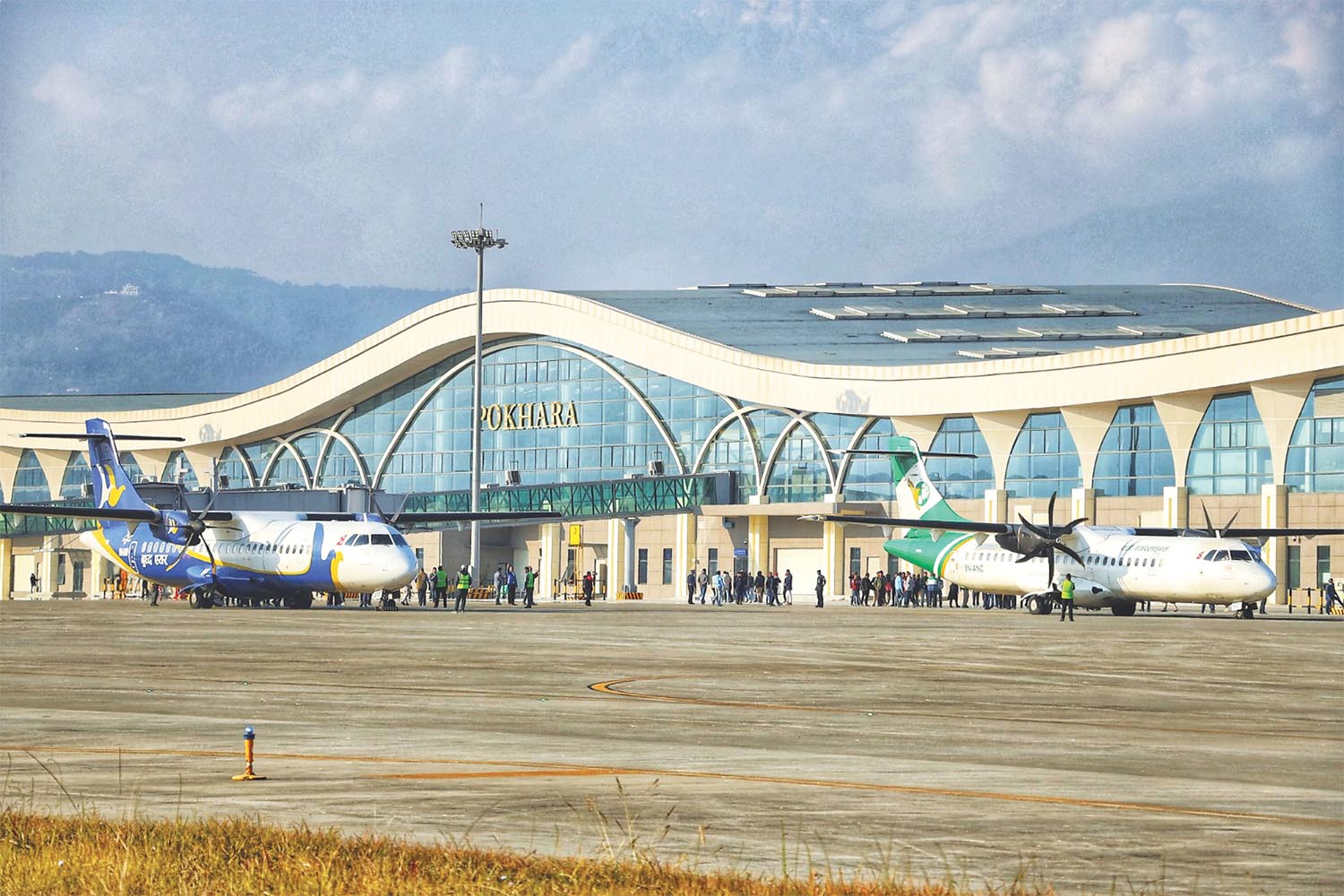
Pokhara International Airport (PIA), hailed as a gateway to Nepal’s premier tourism hub, has seen only a trickle of international air traffic since its grand inauguration. Built at a cost of Rs 22 billion and officially opened on January 1, 2023, the state-of-the-art facility has so far recorded just 42 international flights, most of them chartered, while the majority of its operations remain domestic.
Low International Traffic Since Opening
Despite high hopes from the government, tourism operators, and Gandaki Province authorities, PIA has been unable to secure sustained international connectivity. According to official records, the airport has handled only 13 international charter flights since its opening—seven in 2023, four in 2024, and two in 2025.
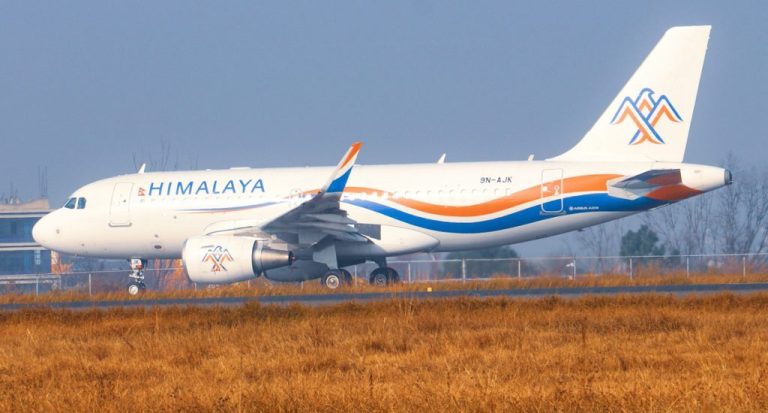
Regular commercial services have also been limited. Himalayan Airlines began a once-a-week service to Lhasa in March 2024, but passenger turnout has been low. Since operations began, Himalayan Airlines has conducted 21 flights, while Sichuan Airlines has operated 11. All other international flights combined amount to just 10, bringing the total to 42.
Passenger Numbers Reveal the Challenge
The passenger count underscores the airport’s struggle to live up to its international potential. Since January 2023, only 2,910 passengers have traveled through Pokhara on international routes. Of these, Sichuan Airlines’ 11 flights carried 1,127 incoming passengers to Pokhara and flew 797 outbound travelers to China. Its chartered commercial flights to Chengdu accounted for a total of 1,924 passengers.
Other international carriers have shown limited engagement. The first commercial international flight at PIA—operated by Druk Air of Bhutan—took off in September 2023, a full eight months after the airport’s inauguration. That flight carried just three passengers inbound to Pokhara but took 42 passengers on the return journey.
Airlines Show Cautious Interest
Pokhara International Airport spokesperson Jasoda Subedi confirmed that 10 airlines, including Himalayan Airlines and Sichuan Airlines, have so far operated flights at the airport. She added that another airline is expected to launch services in September 2025.
Sichuan Airlines has reportedly expressed interest in establishing a regular service to Pokhara, though no definitive schedule has been announced. Industry experts say that sustained connectivity will depend on airline profitability, passenger demand, and tourism marketing.
Domestic Operations on the Rise
While the airport’s international ambitions have yet to materialize, domestic flight operations have flourished. The relocation of major domestic services to the new airport has boosted passenger numbers significantly.
In 2023, PIA handled 905,000 domestic passengers, a figure that rose to 1.023 million in 2024. This growth suggests that the airport has become a vital domestic hub, though it has yet to deliver on its promise of transforming Pokhara into an international tourism gateway.
Tourism Sector Disappointed
Tourism entrepreneurs in Pokhara have expressed disappointment over the slow pace of international expansion. The airport was envisioned as a catalyst to attract foreign tourists directly to Gandaki Province, bypassing the need for transit through Kathmandu’s Tribhuvan International Airport.
However, limited flight options and low passenger volumes have left hotels, trekking agencies, and tour operators with little to celebrate. “Without regular international flights, we cannot fully capitalize on Pokhara’s potential as a direct tourism hub,” one local tourism entrepreneur noted.
Reasons Behind the Struggle
Aviation analysts point to several factors behind PIA’s low international numbers. These include competition from Kathmandu’s well-established airport, limited demand for direct flights to Pokhara from major foreign cities, and inadequate promotion of the new facility in international markets.
Additionally, the absence of connecting flights from major hubs and the reluctance of airlines to commit resources without guaranteed passenger loads have slowed progress. Seasonal demand fluctuations in Nepal’s tourism industry also make it challenging for airlines to operate year-round services profitably.
Hopes for the Future
Despite current setbacks, officials remain optimistic. Spokesperson Subedi noted that talks are ongoing with multiple carriers to explore route options that could boost international arrivals. The expected launch of new services in September may provide a much-needed boost to the airport’s profile.
Sichuan Airlines’ interest in starting regular flights could be particularly significant, as China is a key tourism market for Nepal. Direct connections to Chinese cities like Chengdu and Lhasa could help position Pokhara as a convenient starting point for trekking, adventure sports, and cultural tourism in the Annapurna region.
Balancing Expectations with Reality
While the vision for Pokhara International Airport was ambitious, the slow start underscores the complexities of developing new international routes. It is not uncommon for new airports to take several years to establish regular foreign connections, especially in markets where competition and operational costs are high.
For now, the airport continues to serve as a major domestic gateway while working to expand its global reach. The challenge will be to convert airline interest into sustained schedules and to market Pokhara aggressively as a destination worth flying to directly.
Two and a half years after its opening, Pokhara International Airport stands as a symbol of both promise and underperformance. Built with the expectation of boosting Gandaki Province’s international profile, it has yet to fulfill that goal. Nevertheless, with rising domestic traffic and tentative signs of renewed airline interest, there is still hope that PIA can eventually achieve the international success it was designed for.
For that to happen, tourism authorities, local businesses, and airlines will need to work hand-in-hand to attract passengers, ensure operational viability, and position Pokhara as a must-visit international destination.