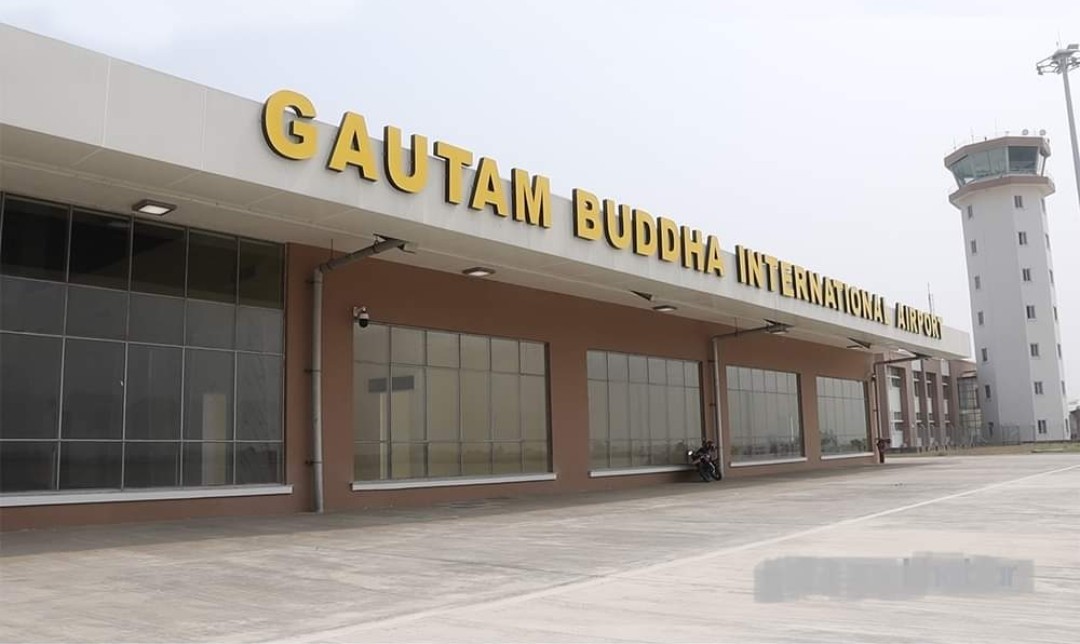
The Gautam Buddha International Airport (GBIA) in Bhairahawa, envisioned as a gateway for religious tourism in the Lumbini region, has been without international flights for the past five months. Once promoted as a modern aviation hub to connect Nepal’s Buddhist heritage sites with the world, the airport’s empty runways, silent terminals, and idle facilities now stand as stark reminders of unrealized potential.
From Buzzing Hub to Silent Terminals
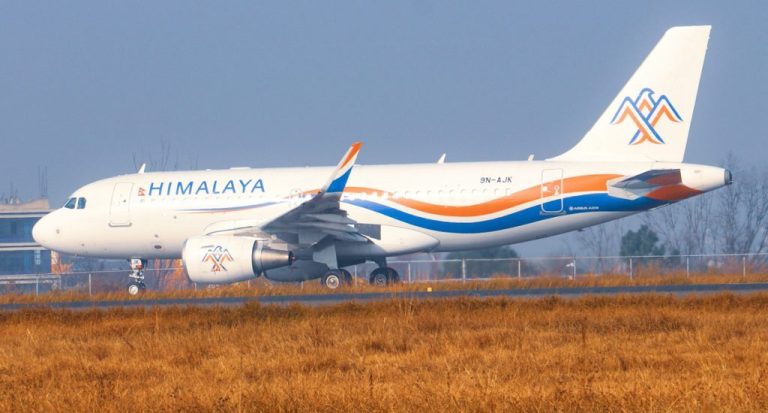
During September and October last year, the GBIA was a scene of activity and optimism. Airlines such as Kuwait’s Jazeera Airways, Fly Dubai, Thai Air Asia, Qatar Airways, and Nepal Airlines operated regular services, bringing in a steady stream of international visitors. This influx boosted occupancy rates in local hotels, filled restaurants, and kept taxi services busy.
Today, that vibrant atmosphere has faded. Without international flights, the terminal remains deserted, shops and restaurants inside the airport have seen customer numbers plummet, and local entrepreneurs say they feel as though the promised tourism boom has vanished before it could take root.
A Costly Infrastructure Sitting Idle
The airport, inaugurated on May 16, 2022, by then-Prime Minister Sher Bahadur Deuba, was built at a cost of Rs 7 billion, with an additional Rs 22 billion spent on land compensation. Designed with the latest facilities, GBIA features fully operational customs and immigration offices, health desks, fuel depots, cargo handling facilities, and ample parking space.
It employs 87 permanent staff members, 24 service providers, 60 daily wage workers, 70 military personnel, and 185 police officers. However, with no flights to manage, much of their work is restricted to administrative duties rather than passenger handling.
Local Businesses Feeling the Impact
Private sector investors in Bhairahawa had high hopes for the GBIA’s role in transforming the local economy. Many invested heavily in building hotels, lodges, and restaurants to cater to what they expected would be a steady influx of tourists drawn to the birthplace of Lord Buddha in Lumbini.
With international arrivals stalled, these businesses are now grappling with low occupancy rates, falling revenues, and growing debts. In response, hoteliers and tourism operators have formed a struggle committee to push for the resumption of regular international flights.
Calls for Urgent Action
On Saturday, the struggle committee organized an event attended by the Minister for Culture, Tourism, and Civil Aviation, Badri Prasad Pandey. During the program, stakeholders urged the government to take immediate steps to revive the airport’s international services.
Minister Pandey acknowledged the seriousness of the situation but emphasized that the ministry alone could not solve the problem. “This requires a collective effort from all stakeholders, including airlines, tourism boards, and the private sector,” he said. He announced plans to open Nepal Tourism Board branches in Lumbini, Pokhara, and Sudurpashchim Province to better promote these regions in both domestic and international markets.
A Symbolic Yet Dire Situation
Siddharthanagar Municipality Mayor Istiyak Ahmad Khan described the current state of GBIA as “begging with a golden bowl”, possessing valuable infrastructure but unable to reap its benefits. He said that without decisive action, the airport’s inactivity could undermine investor confidence in other large-scale tourism projects in Nepal.
The absence of flights has also slowed Lumbini’s aspirations to become a global religious tourism destination. Local leaders worry that tourists will continue to enter Nepal via Kathmandu or India instead, bypassing Bhairahawa altogether.
Challenges to Restoring Flights
Airport General Manager Pratap Babu Tiwari outlined several reasons for the ongoing lack of flights. These include visa issuance problems for certain nationalities, labor permit complications, shortages of skilled manpower, and the shutdown of airlines that previously had success in operating from GBIA, such as Jazeera Airways and Thai Airways.
He noted that while there is infrastructure readiness, airlines are reluctant to commit to regular schedules without assurances of sustained passenger demand and smooth operational conditions.
Wider Economic Impact Beyond Tourism
The downturn has affected more than just the hospitality industry. Rajesh Agrawal, a central member of the Nepal Federation of Industry and Commerce, stated that the halt in international services has had a devastating effect on Bhairahawa’s real estate market. Property values that once soared in anticipation of an economic boom have now stagnated or declined.
Local taxi drivers, tour guides, and handicraft vendors have also seen their incomes shrink. With fewer visitors arriving, the entire tourism supply chain has been disrupted, affecting livelihoods across the region.
The Road Ahead
For GBIA to fulfill its original purpose, experts and stakeholders say that Nepal must address both operational and promotional challenges. This means negotiating with airlines to reintroduce flights, simplifying visa processes, ensuring competitive airport fees, and marketing Lumbini internationally as a must-visit spiritual destination.
Minister Pandey’s commitment to expanding Nepal Tourism Board operations in Lumbini is seen as a step in the right direction, but industry insiders caution that promotional campaigns must be matched by actual flight connectivity. As one hotel owner in Bhairahawa put it: “Tourists won’t come just because we have a beautiful airport. They need flights to bring them here.”
The Gautam Buddha International Airport stands as both a symbol of Nepal’s ambition and a reminder of the challenges in turning infrastructure into sustainable economic growth. With five months of inactivity in international flights, the airport’s future hinges on the willingness of all stakeholders, government, private investors, and airlines, to work together toward a revival. Until then, the “golden bowl” of Bhairahawa remains largely empty, and the promise of a thriving tourism economy in the shadow of Lumbini continues to slip further away.