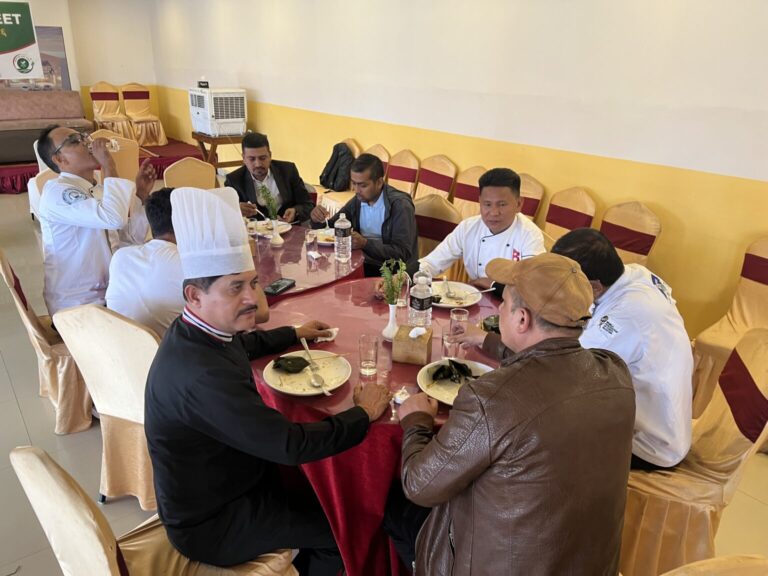
With the aim of introducing the authentic taste of Nepali cuisine to the global stage, a unique culinary event was organized today at Radhe Radhe in Bhaktapur. The event featured a rare combination of Nepali and Thai dishes presented side by side, highlighting the rich flavors of both countries’ culinary traditions.
Celebrating Teej with a Special Culinary Event
Coinciding with the Teej festival, the “Royal Thai Hospitality” hosted a food exhibition showcasing iconic delicacies from both nations. From Nepal, the spotlight was on Gundruk Soup, a dish deeply embedded in the country’s culinary identity, while from Thailand, the popular Tom Yum Soup took center stage. The pairing brought together the bold, tangy, and earthy flavors of Gundruk with the spicy and aromatic essence of Tom Yum, creating a unique gastronomic experience.
Sixth Edition of ‘Bhojanlipi Swaad’
Master Chef Ganesh Bahadur Dhakal, operator of Royal Thai Hospitality, shared that the event marked the sixth edition of ‘Bhojanlipi Swaad’, an initiative dedicated to presenting traditional dishes in a creative and globally appealing format. This edition was particularly special as it combined the culinary essence of both Nepal and Thailand, offering guests a taste of two distinct food cultures in one sitting.
According to Chef Dhakal, the event aimed to connect the originality and specialty of Nepali cuisine, especially the use of Gundruk, with international flavors. The effort reflects a larger mission to brand Gundruk as a signature Nepali product that can stand out in the competitive global food market.
Branding Gundruk as a Global Culinary Treasure
Speaking at the event, Chef Dhakal emphasized that Gundruk is not just food but a representation of Nepali heritage, culture, and sustainable agricultural practices. By creatively integrating it with globally recognized dishes like Tom Yum, the organizers aimed to make Gundruk appealing to an international audience. He expressed confidence that with the right branding, marketing, and exposure, Gundruk could become a sought-after product in restaurants and culinary circles worldwide.
Call for Collaborative Efforts
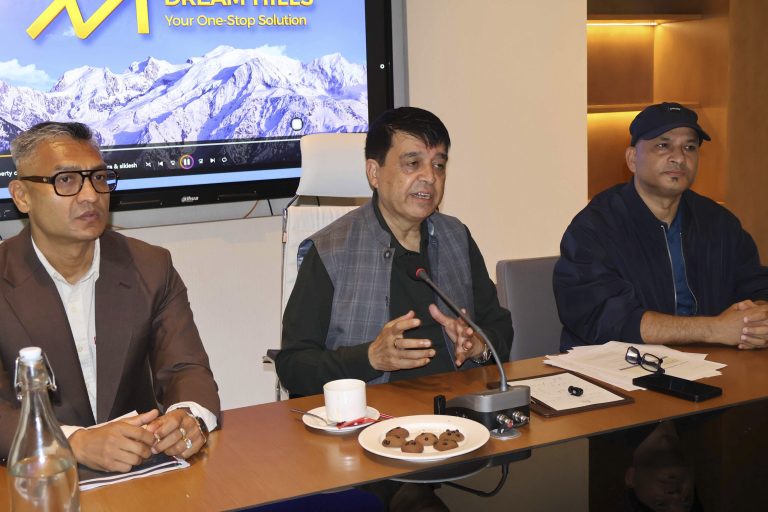
Veteran Chef Gobinda Narsingh KC also addressed the gathering, underscoring that Gundruk is more than a culinary ingredient, it is a cultural asset linked to Nepal’s agricultural identity. He stressed the need for coordinated efforts from government bodies, the private sector, and tourism stakeholders to promote Gundruk in global markets. Chef KC pointed out that similar to how certain countries have successfully marketed their national dishes as part of their identity, Nepal must take proactive steps to position Gundruk as a premium, export-worthy product.
Promoting Culinary Diplomacy
Events like this also serve as a platform for culinary diplomacy, where food becomes a medium of cultural exchange. By combining Nepali and Thai cuisines, the event not only celebrated diversity but also promoted mutual appreciation between two rich food traditions. Guests experienced firsthand how flavors from different cultures can complement each other, breaking cultural barriers through the universal language of taste.
Boosting Culinary Tourism in Nepal
The fusion showcase aligns with Nepal’s growing focus on culinary tourism. As more travelers seek immersive experiences, unique food events like this can attract domestic and international visitors, providing them with opportunities to explore the country’s heritage through its flavors.
Bhaktapur, already renowned for its cultural richness and historical significance, provided the perfect backdrop for such an event. The city’s charm, coupled with authentic culinary presentations, offered attendees a complete cultural and gastronomic experience.
Future Prospects and Expansion Plans
Organizers hinted at plans to host similar events in other parts of Nepal, potentially involving collaborations with embassies, international chefs, and tourism boards. By creating such global food pairings, Nepal could tap into international culinary networks, expand its gastronomic footprint, and generate increased interest in its unique ingredients.
Furthermore, branding Gundruk could open new avenues for farmers and local producers, creating income opportunities and preserving traditional farming practices. With the right promotional strategy, Gundruk could find its way to gourmet stores, high-end restaurants, and even be marketed as a health food due to its probiotic benefits.
The Nepali-Thai culinary showcase in Bhaktapur was more than just a food exhibition—it was a celebration of cultural heritage, creativity, and international collaboration. By featuring Gundruk alongside Tom Yum Soup, the event successfully bridged two culinary worlds while placing Nepal’s traditional flavors on a global platform.
The initiative highlights the potential of using food as a tool for cultural promotion, tourism development, and economic growth. As organizers, chefs, and stakeholders continue to push for Gundruk’s recognition internationally, this event marks an important step toward turning a humble traditional dish into a global culinary icon.