Nepal’s mountains continue to attract climbers from around the world, contributing significantly to the country’s tourism revenue. According to the Department of Tourism, last year alone, mountaineering and peak climbing activities across Nepal generated NPR 638,294,979 in revenue. The increasing popularity of Himalayan expeditions highlights both Nepal’s global appeal and the economic importance of adventure tourism.
Record-Breaking Ascents in Major Peaks
The country’s high-altitude peaks witnessed remarkable climbing activities in the recent season. In Taplejung, the world’s third-highest peak, Kanchenjunga, saw 41 climbers, 26 men and 15 women, successfully reach its summit at 8,556 meters between March 1 and April 21. This achievement generated NPR 1,970,460 in revenue.
Similarly, Makalu, located in Sankhuwasabha district, witnessed 66 climbers successfully scaling its heights during the same period, resulting in revenue collection of NPR 16,269,480. The world-famous Mount Everest saw 374 climbers, 302 men and 72 women, reach its summit, contributing NPR 554,902,278 to tourism revenue.
In total, climbers successfully ascended 23 peaks this season. Out of these, 678 men and 191 women, both domestic and international, achieved successful climbs across Nepal’s Himalayan peaks, contributing to the total revenue of NPR 638,294,979, according to the Department of Tourism.
Nepal’s Himalayan Landscape and Global Context
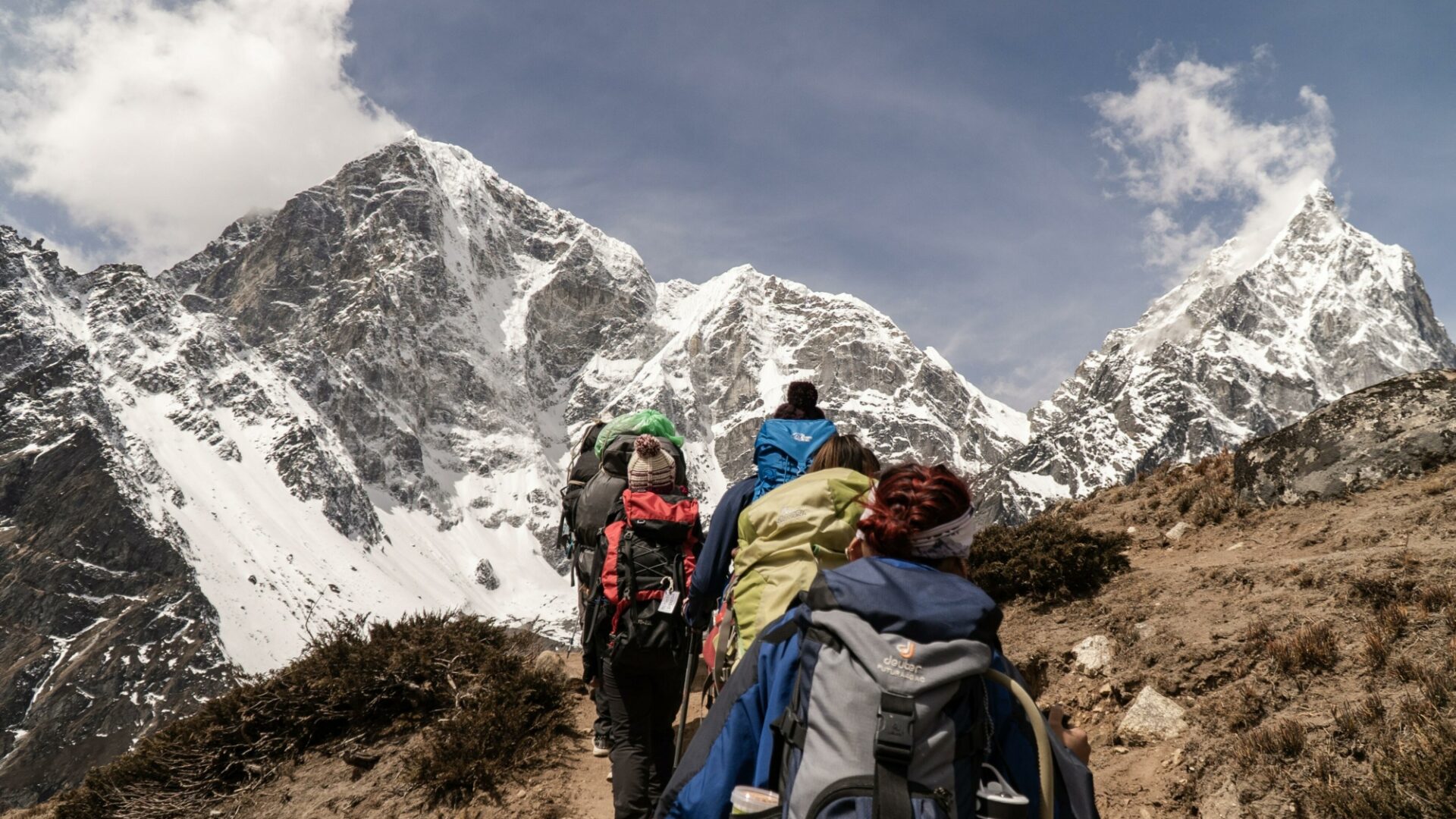
Nepal’s majestic mountains not only dominate the local landscape but also share borders with neighboring countries. The Tibetan region of China lies beyond many of Nepal’s peaks, while others extend into India, Pakistan, Bhutan, and Tajikistan. The region boasts some of the world’s highest and most challenging peaks. Among the top ten tallest peaks globally, eight are located in Nepal, including Everest, Kanchenjunga, Lhotse, Makalu, Cho Oyu, Dhaulagiri, Manaslu, and Annapurna I. Other high peaks such as K2 and Nanga Parbat are located in Pakistan.
All these eight-thousand-meter peaks are experiencing noticeable glacial retreat. As climate patterns change, the snow lines on these mountains are gradually shifting, exposing higher sections that were once permanently covered with ice.
Glacial Retreat and Climate Change in the Himalayas
Scientific studies and local observations confirm that the Himalayan region is experiencing significant effects of climate change. The International Centre for Integrated Mountain Development (ICIMOD), environmental scientists, and local communities have documented substantial changes in Nepal’s high-altitude geography.
According to ICIMOD’s 2021 report, Status of Glaciers in the Hindu Kush Himalaya Region, the glacial line in the Kanchenjunga area of Taplejung has been moving upward by an average of 6.5 meters annually. During the same period, the number of glacial lakes in the region increased dramatically, rising from 27 to 49 over fifteen years. These changes provide tangible evidence of how climate change is reshaping the Himalayan landscape and its environmental structures.
ICIMOD’s 2022 Himalayan Water Security report highlights that average decadal temperatures in Nepal have increased by 0.3 to 0.5 degrees Celsius. This rise in temperature accelerates glacial melting and shifts the snow line higher, directly affecting the livelihoods of mountain communities. Agriculture, livestock, and water sources for daily consumption are increasingly vulnerable to these environmental changes.
Implications for the Future
If immediate climate adaptation and long-term mitigation strategies are not implemented, accelerated glacial retreat could pose severe challenges to water resources, biodiversity, and food security in Nepal. Experts warn that unchecked glacial shrinkage may disrupt river systems, reduce freshwater availability, and compromise ecological stability in the region.
While mountaineering continues to contribute substantially to Nepal’s economy, these environmental changes underscore the urgent need for sustainable tourism and climate-conscious planning. Protecting the Himalayas is not only critical for preserving Nepal’s natural heritage but also for maintaining the livelihoods of millions who depend on these mountains for water, agriculture, and tourism.
Nepal’s mountains remain a global magnet for adventure seekers, providing economic benefits and international recognition. Yet, the concurrent impact of climate change, glacial retreat, rising temperatures, and changing landscapes, presents a growing challenge. Balancing tourism growth with environmental protection and climate adaptation is essential to ensure that Nepal’s majestic peaks continue to inspire climbers while sustaining the natural and human ecosystems that depend on them.