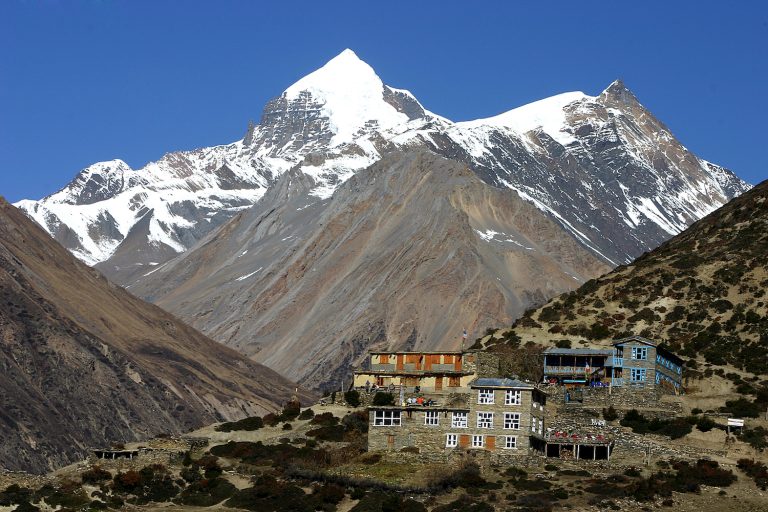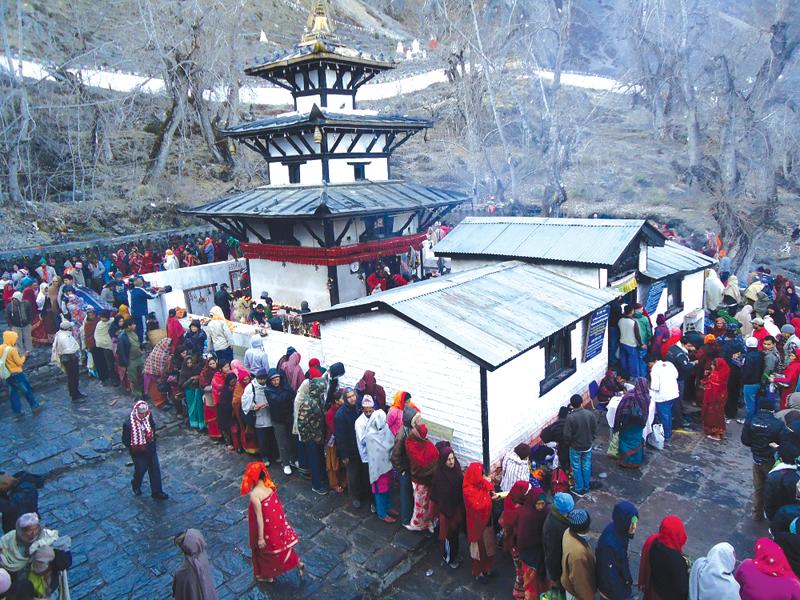
High in the Mustang region of Nepal, at an altitude of 3,710 meters, lies Muktinath Temple, a sacred sanctuary where the physical world feels suspended between earth and heaven. Surrounded by the dramatic landscapes of the Annapurna and Dhaulagiri ranges, Muktinath is not just a destination; it is an experience of spiritual elevation.
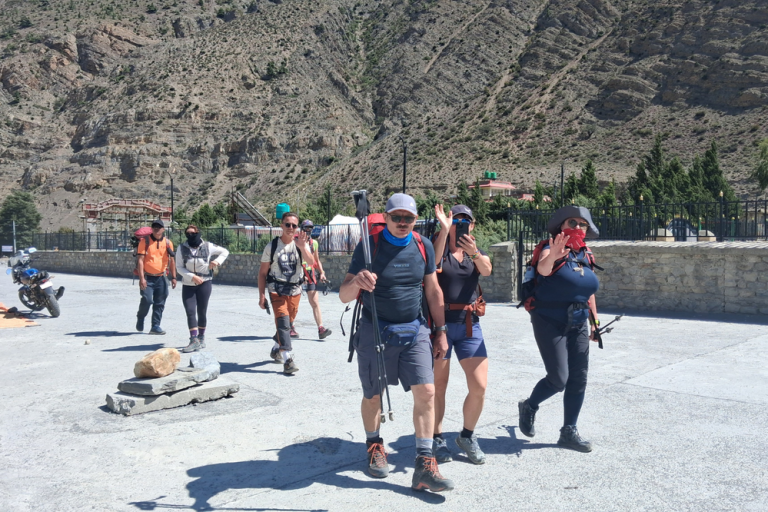
The journey to Muktinath itself feels like a gradual departure from ordinary reality. As travelers move through winding mountain roads, barren cliffs, and ancient villages shaped by Tibetan culture, the world below slowly fades away. What remains is silence, vastness, and a growing sense of sacred anticipation.
Muktinath is revered by both Hindus and Buddhists, making it one of the most important shared spiritual sites in South Asia. For Hindus, it is a place of liberation, moksha, from the endless cycle of birth and rebirth. For Buddhists, it is a sacred place associated with Dakinis, spiritual beings representing wisdom and transformation. This convergence of faith gives the temple a rare universal identity that transcends religious boundaries.
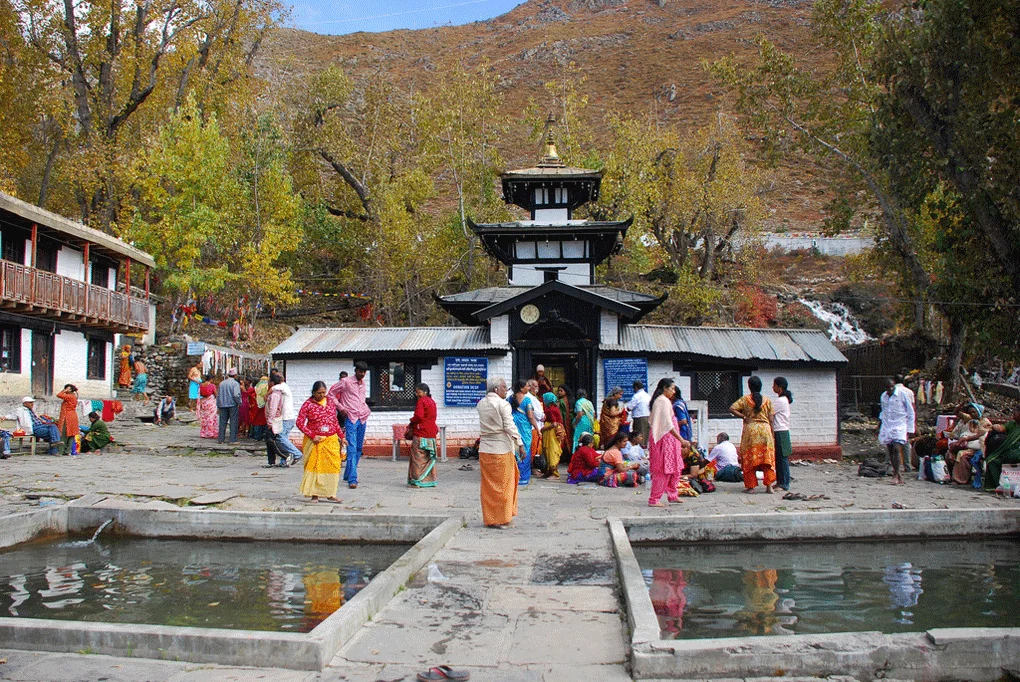
A Temple of Liberation and Cosmic Balance
The main shrine of Muktinath is dedicated to Lord Vishnu, worshipped here as the “Lord of Liberation.” The temple itself is modest in structure, yet its spiritual power is considered immense. Pilgrims believe that visiting this sacred site cleanses accumulated karma and opens the path toward enlightenment. What makes Muktinath extraordinary is not only its religious importance but its symbolic connection with nature.
The temple complex embodies the five elements of existence, earth, water, fire, air, and space, creating a complete representation of cosmic balance. One of the most striking features is the row of 108 water spouts, shaped like cow heads. Pilgrims bathe beneath these icy streams, believing that the sacred water purifies both body and soul.
Despite the freezing temperature, devotees willingly endure the cold, seeing it as an act of devotion and spiritual cleansing. Nearby, the eternal flame known as Jwala Mai burns continuously from natural gas emerging from the earth. The coexistence of fire and water within the same sacred space is seen as a divine miracle, symbolizing harmony among opposing forces of nature.
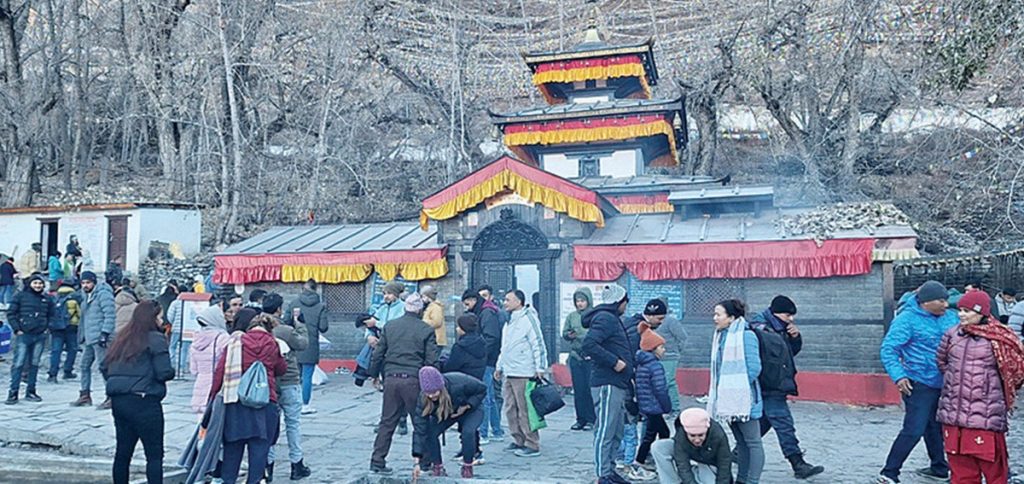
A Meeting Point of Two Great Traditions
Muktinath stands as a rare example of harmony between Hinduism and Buddhism. Hindu pilgrims consider it one of the holiest Vaishnava shrines, while Buddhists associate the site with Guru Rinpoche and the mystical Dakinis. Local Tibetan Buddhist monks often perform rituals alongside Hindu priests, reflecting a shared reverence rather than division.
This spiritual coexistence is deeply embedded in Nepal’s identity. Unlike many places where religious boundaries are rigid, Muktinath demonstrates a fluid spiritual culture where faiths overlap, interact, and enrich one another. The surrounding landscape adds another layer of meaning. Snow-capped peaks, dry mountain deserts, and ancient monasteries create an environment where silence itself feels sacred. Many pilgrims describe Muktinath not just as a temple visit but as a moment of inner awakening.
The Journey as Spiritual Transformation
Reaching Muktinath is as significant as the destination itself. Most pilgrims travel through the Kali Gandaki Valley, one of the deepest gorges in the world. Others arrive via the Annapurna Circuit trek, passing through rhododendron forests, glacial rivers, and remote settlements.
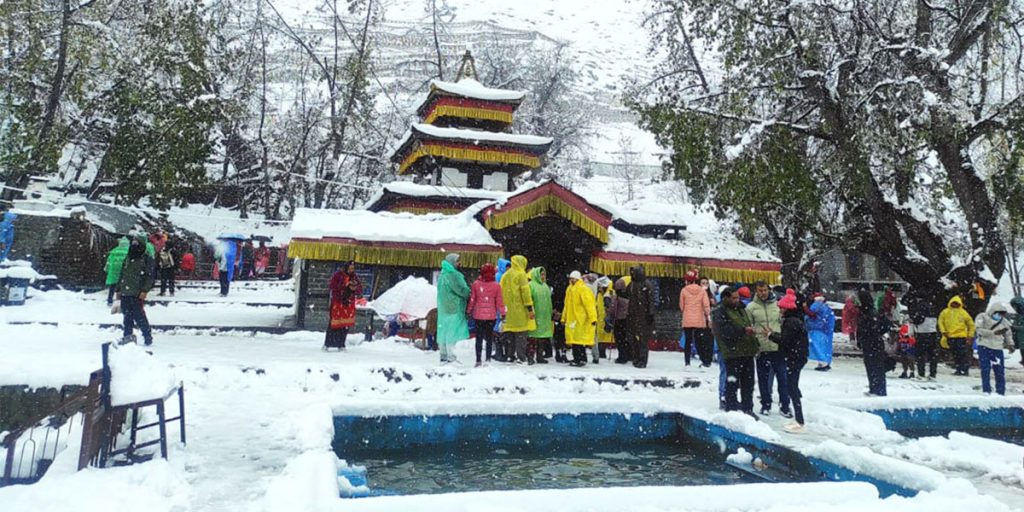
Each step toward Muktinath feels like a gradual shedding of worldly attachments. The air becomes thinner, the landscape more barren, and the silence deeper. By the time pilgrims arrive, they are often mentally and emotionally transformed. For many, the journey is not about reaching a temple but about reaching a new understanding of themselves.
A Place Beyond Time
At sunrise and sunset, Muktinath glows in golden hues, with mountains casting long shadows across the valley. Prayer flags flutter in the cold wind, carrying mantras into the vast Himalayan sky. The temple remains peaceful, yet deeply alive with devotion. Unlike urban temples filled with noise and crowds, Muktinath offers stillness. It is a place where time seems irrelevant and where human concerns feel small against the backdrop of eternal mountains. Here, spirituality is not performed, it is experienced.
Liberation in the Heart of the Himalayas
Muktinath Temple is more than a pilgrimage site; it is a philosophy carved into stone and landscape. It teaches that liberation is not distant but present, not abstract but deeply connected to nature and self-awareness. In the freezing waters, eternal flame, and silent mountains, pilgrims encounter a truth that transcends religion: that freedom is found not in escape from the world, but in understanding its deepest harmony.