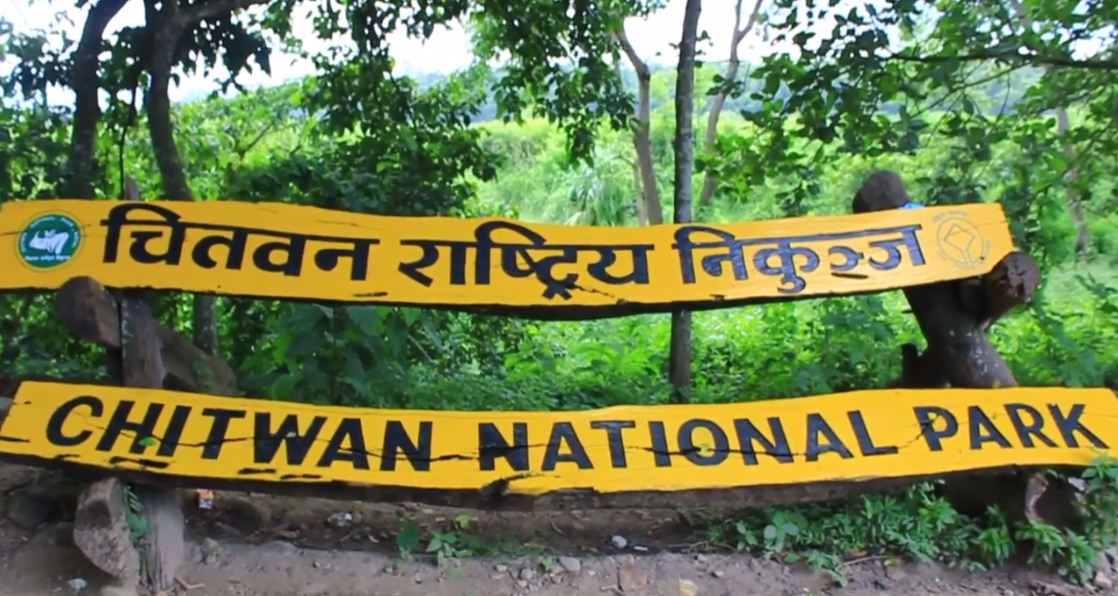
Nepal’s tourism sector is witnessing positive momentum as domestic tourist arrivals at Chitwan National Park have nearly doubled following the government’s decision to introduce a two-day weekend policy, signaling growing interest in short domestic travel among Nepali visitors.
Officials at the national park say the increase in internal tourism has been significant since the government announced the policy on Chaitra 23, allowing citizens more leisure time and encouraging short-distance travel to major destinations across the country.
Two-Day Weekend Policy Driving Domestic Tourism Growth
According to park authorities, the number of Nepali visitors entering Chitwan National Park has increased sharply in the months following the implementation of the government’s new weekly holiday system. Information Officer Abhinash Thapa said the impact has been immediate, with more domestic travelers choosing Chitwan as a preferred destination for short holidays, wildlife experiences, and family outings. Tourism stakeholders believe the policy has made weekend travel more practical and affordable for many Nepalis who previously struggled to allocate time for domestic tourism.

Domestic Tourist Numbers Jump Significantly
Official data shows a remarkable increase in internal tourist arrivals compared to the same period last year. During the corresponding period last year, a total of 31,577 domestic tourists visited the park. However, by the end of Jestha in the current fiscal year, that figure has climbed to 48,598 domestic visitors.
The nearly twofold increase highlights growing enthusiasm among Nepali travelers for nature-based tourism and suggests that government policy changes are directly influencing domestic travel behavior. Park officials say the trend demonstrates the strong potential of internal tourism in supporting Nepal’s broader tourism economy.
Multiple Entry Points Supporting Visitor Flow
Tourists visiting the national park currently enter through eight designated entry gates, which serve as major access points for wildlife and jungle tourism activities. To facilitate safari operations and park transportation, 72 jeeps have received permits allowing entry into the protected area.
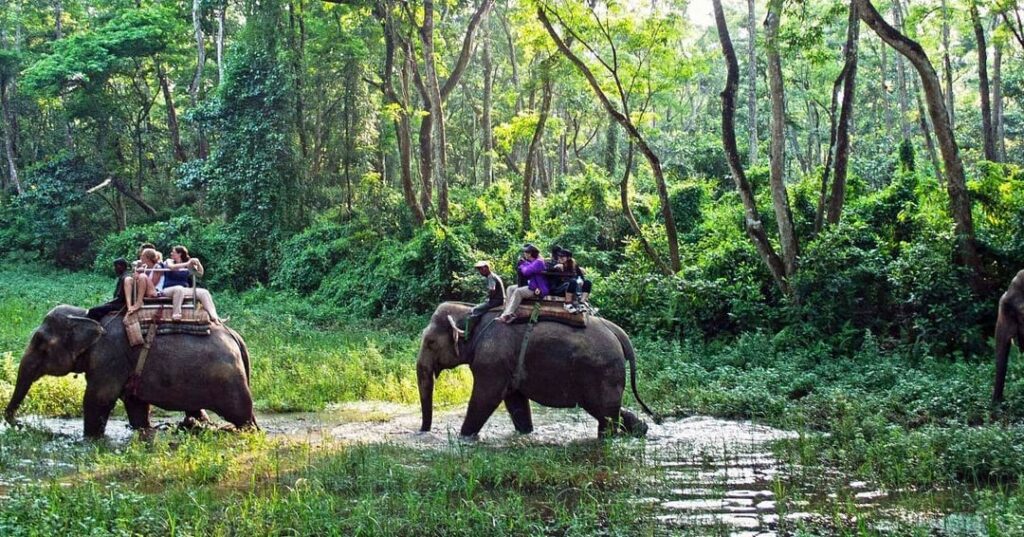
Visitors mainly participate in jeep safaris, jungle excursions, and guided walking tours, making Chitwan one of Nepal’s most popular destinations for eco-tourism and wildlife-based adventure experiences. Local tourism entrepreneurs say the increase in domestic arrivals has brought renewed business opportunities for hotels, safari operators, guides, restaurants, and transport services in the surrounding areas.
Wildlife Attractions Continue Drawing Visitors
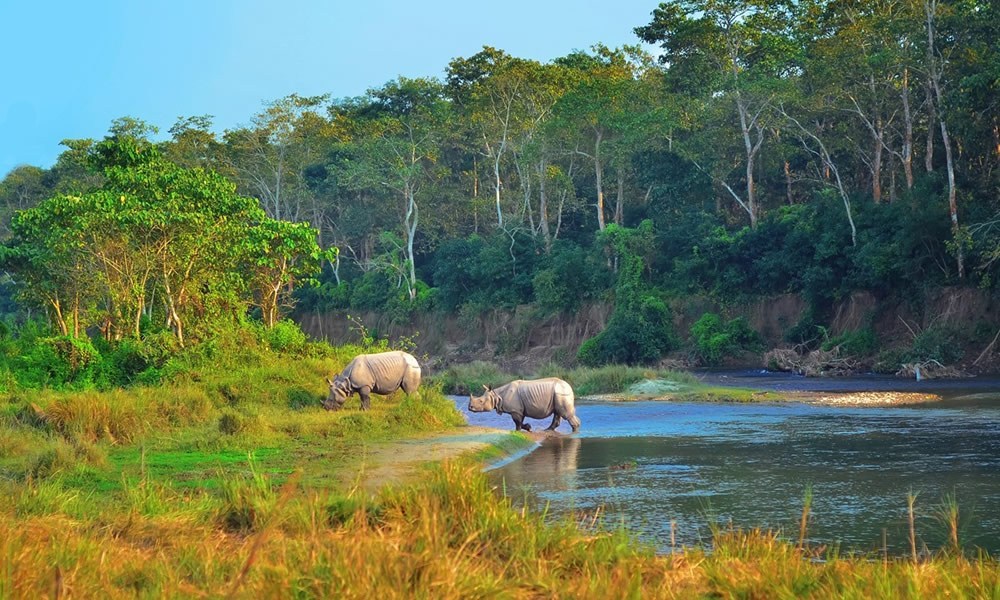
Located in southern Nepal, Chitwan National Park remains one of the country’s premier wildlife destinations, attracting both domestic and international travelers year-round. The park is internationally recognized for its biodiversity and conservation success, offering visitors opportunities to observe rare and endangered species in their natural habitat.

Among the major attractions drawing Nepali visitors are the one-horned rhinoceros, Royal Bengal tiger, sloth bear, leopard, and the endangered gharial crocodile, along with hundreds of bird species found within the park’s ecosystem. The chance to witness these species up close has made Chitwan increasingly popular among families, students, and nature enthusiasts looking for short travel experiences within Nepal.
Domestic Tourism Emerging as Economic Support for the Sector
Tourism experts say the sharp increase in domestic arrivals demonstrates the importance of strengthening internal tourism alongside international visitor campaigns. With Nepal continuing efforts to diversify its tourism economy, destinations such as Chitwan are benefiting from policies that encourage citizens to travel more frequently inside the country.
Industry observers note that stronger domestic tourism helps create year-round demand for hospitality businesses while reducing overdependence on foreign arrivals. As visitor numbers continue rising, the success seen at Chitwan National Park could encourage similar policy-driven tourism growth across other major destinations in Nepal.