A decade ago, residents of Dhorpatan relied heavily on horses and mules for transporting goods and traveling to nearby markets. The rugged terrain and lack of proper roads made pack animals essential for daily life and commerce. However, with the expansion of roads in Dhorpatan, motor vehicles gradually replaced horses for transport, leaving many local horse owners struggling.
Decline of Horse Businesses and Farmer Concerns
When horses became redundant, several local farmers either abandoned their animals or struggled to find buyers. Many expressed concern about the fate of their pack animals, fearing financial losses due to lack of demand. The once-thriving horse businesses faced near extinction, as urbanization and road expansion rendered traditional methods of transport obsolete.
Tourism Sparks Resurgence
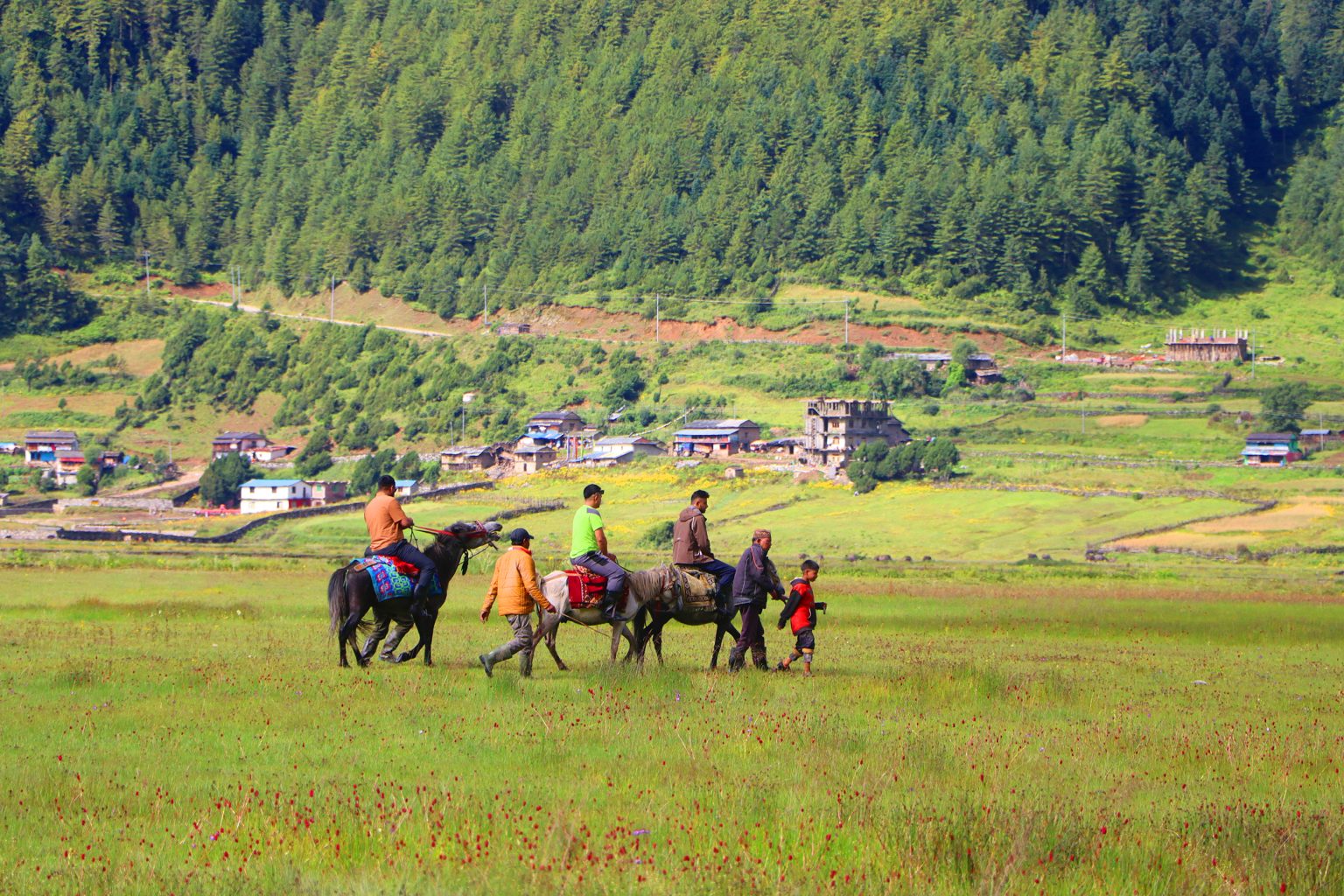
Recently, the growing influx of tourists to Dhorpatan has breathed new life into the horse business. Visitors are increasingly opting to ride horses for sightseeing, photography, and video purposes. This trend has prompted many former horse owners to repurchase animals they had previously sold. Entrepreneurs in Dhorpatan report that horses, once considered a financial burden, are now emerging as a profitable source of income.
According to Khim Bahadur Bk, a local resident of Dhorpatan Municipality-9, tourism-driven demand has revitalized the horse sector. He stated that visitors traveling from the valley to Bukipatan pay between NPR 4,000 and 5,000 for a horse ride. Additionally, fees for riding a horse and taking photos or videos range from NPR 50 to 150. Bk noted that growing tourist interest has encouraged more locals to invest in horses once again.
Historical Perspective on Horse Usage
“About 10–15 years ago, every household in Dhorpatan had pack animals,” Bk recalled. “People depended on them for transporting goods over difficult mountain paths. Even if we kept a few horses, the lack of income forced us to give them up. Now, even carrying a few tourists provides an earning.”
Tourists visiting Dhorpatan frequently ride horses to areas such as Bukipatan, Niseldhor, and Jaljala. Previously, these horses transported potatoes, apples, beans, and other agricultural products to markets, and brought back essential food items for local consumption. With the arrival of motor vehicles, the role of horses in transportation decreased. However, in areas inaccessible by vehicle, horses remain indispensable.
Changing Patterns of Horse Ownership
In the past, a single farmer might own two dozen horses. Today, however, fewer locals maintain large numbers of animals, focusing instead on quality service for tourism. Local entrepreneur Dhanram Bk explained that horse businesses now charge higher rates for rides, sparking complaints among tourists. One visitor, Kuldeep Tamang, said he was initially quoted NPR 100 for a photo ride, but ultimately asked to pay NPR 300. Tamang emphasized that authorities should regulate excessive charges imposed by some operators.
Tourism Growth and Economic Impact
The surge in tourism is evident in the numbers. Dhorpatan now sees over 200 visitors daily, particularly during the summer when tourists enjoy alpine flowers and in winter for snow activities. According to the Dhorpatan Hunting Reserve Office, the number of tourists increased from 15,573 in the fiscal year 2080/81 to 23,692 in 2081/82, marking an increase of nearly 8,000 visitors.
This growth has positively impacted the local economy. Horse owners and entrepreneurs now earn a significant income from tourism-related services, from riding experiences to photography sessions. Many see this as a revival of a traditional occupation that had declined over the past decade.
Balancing Tradition and Modern Tourism
The resurgence of horse businesses in Dhorpatan reflects the broader trend of tourism revitalizing traditional livelihoods. While roads and motor vehicles changed local commerce patterns, tourism has created new opportunities for economic sustainability. The challenge remains to balance fair pricing for tourists with adequate earnings for horse owners, ensuring that the revival benefits both local businesses and visitors.
Dhorpatan’s experience demonstrates how tourism can restore cultural and economic practices that were once on the decline. Horses, which were once essential for survival, have adapted to the changing economy by becoming central to the tourist experience. As visitor numbers continue to rise, sustainable management and fair practices will be key to ensuring that the horse business remains a thriving and profitable part of Dhorpatan’s local economy, while also preserving the area’s traditional charm.